Mumbai is a long, narrow peninsula. Most of the famous sights sit at its southern tip — Colaba, Fort and Marine Drive — within a few kilometres of one another. The shrines, markets and mill districts lie in the middle; Bandra, Juhu and the national park are in the suburbs to the north. Plan by area and you will spend your time seeing things rather than sitting in traffic. Each place below has its own guide with what to see, how to get there and practical tips.
Things to See in Mumbai
Thirteen places that add up to the real Mumbai — from the harbour arch to the caves in the hills.
South Mumbai icons
 South Mumbai icons
Gateway of India & Colaba
Where every Mumbai visit begins
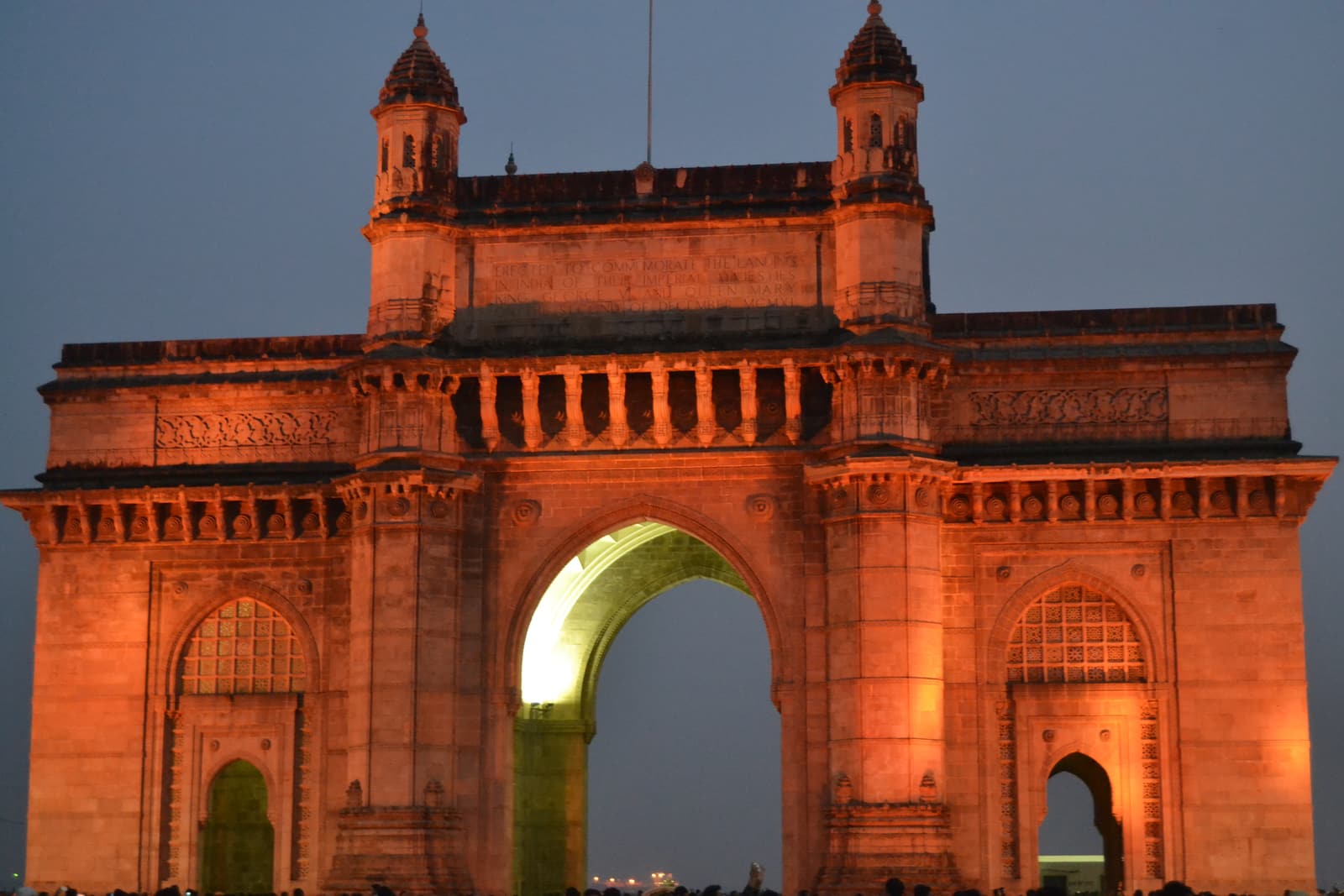
The basalt arch on the harbour is Mumbai’s front door: built to mark a royal landing in 1911, finished in 1924 and now the city’s favourite meeting place. Next to it stand the Taj Mahal Palace hotel, the Elephanta ferries and the stalls and cafés of Colaba Causeway.
 South Mumbai icons
Elephanta Caves
A rock-cut Shiva temple on an island
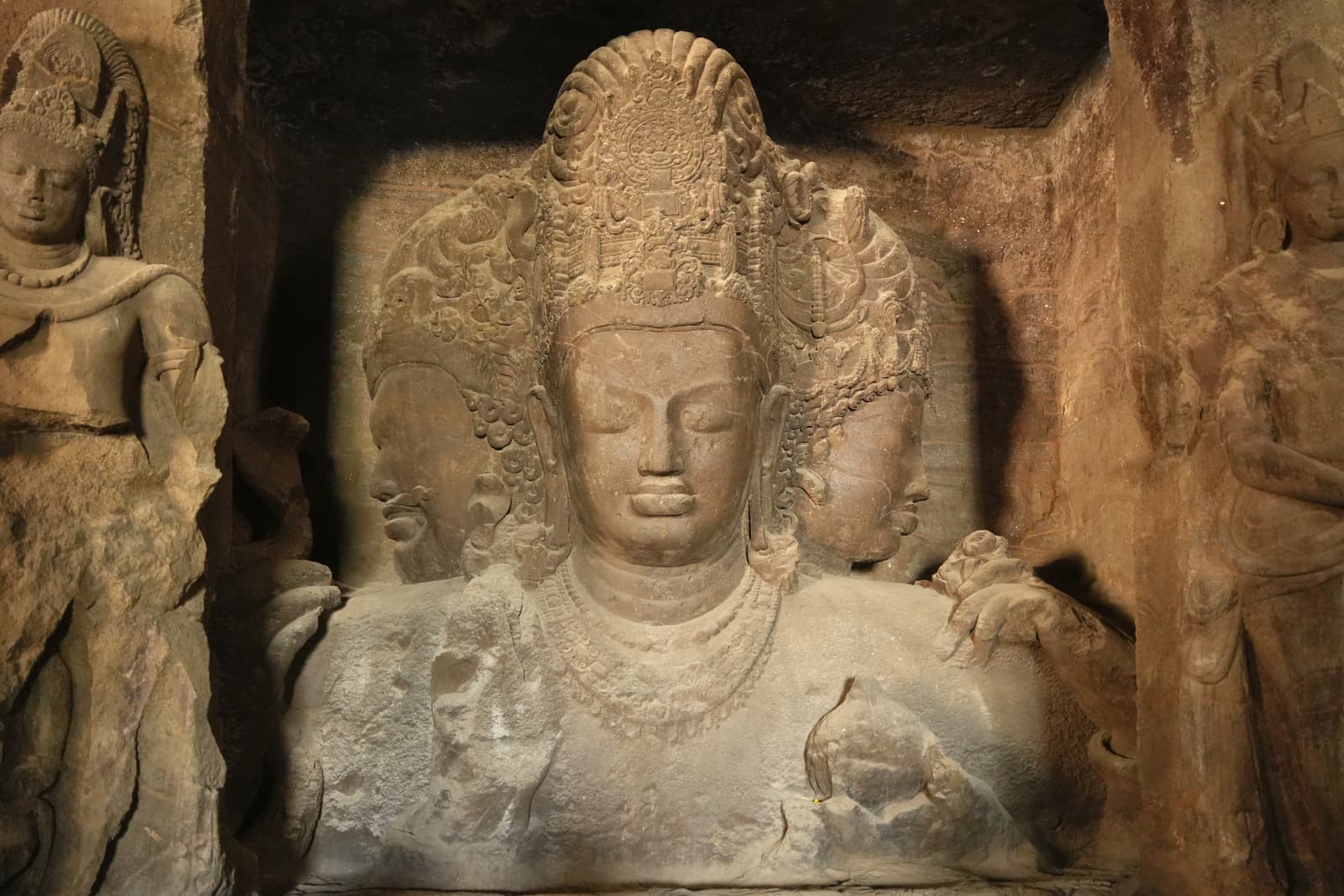
An hour by ferry from the Gateway of India, a hillside on Elephanta Island hides one of the masterpieces of Indian sculpture: a cave temple cut from solid basalt around the 5th–6th centuries, with a six-metre, three-faced Shiva at its heart. A UNESCO World Heritage Site, closed on Mondays.
 South Mumbai icons
CSMT (Victoria Terminus)
The grandest railway station in Asia
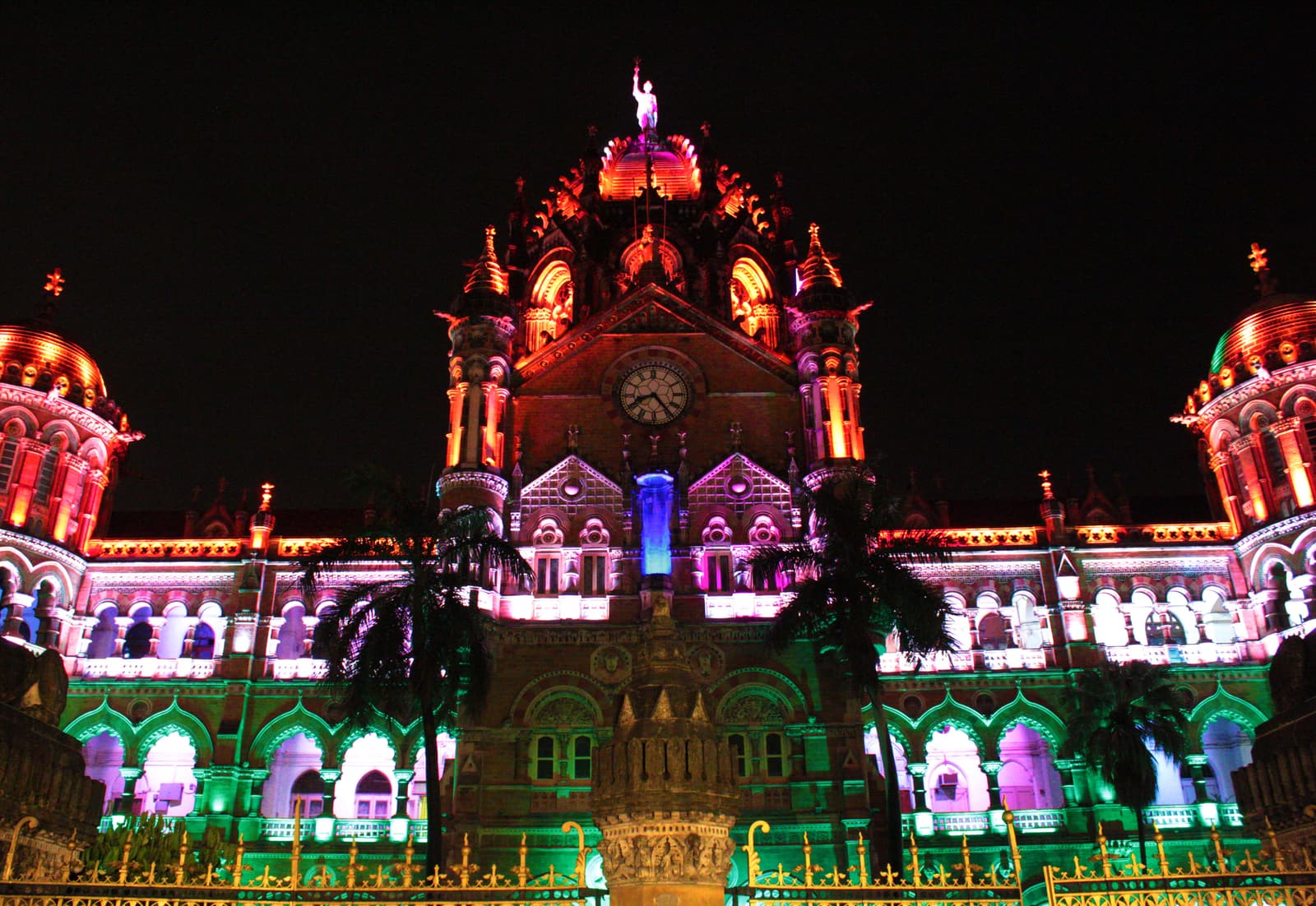
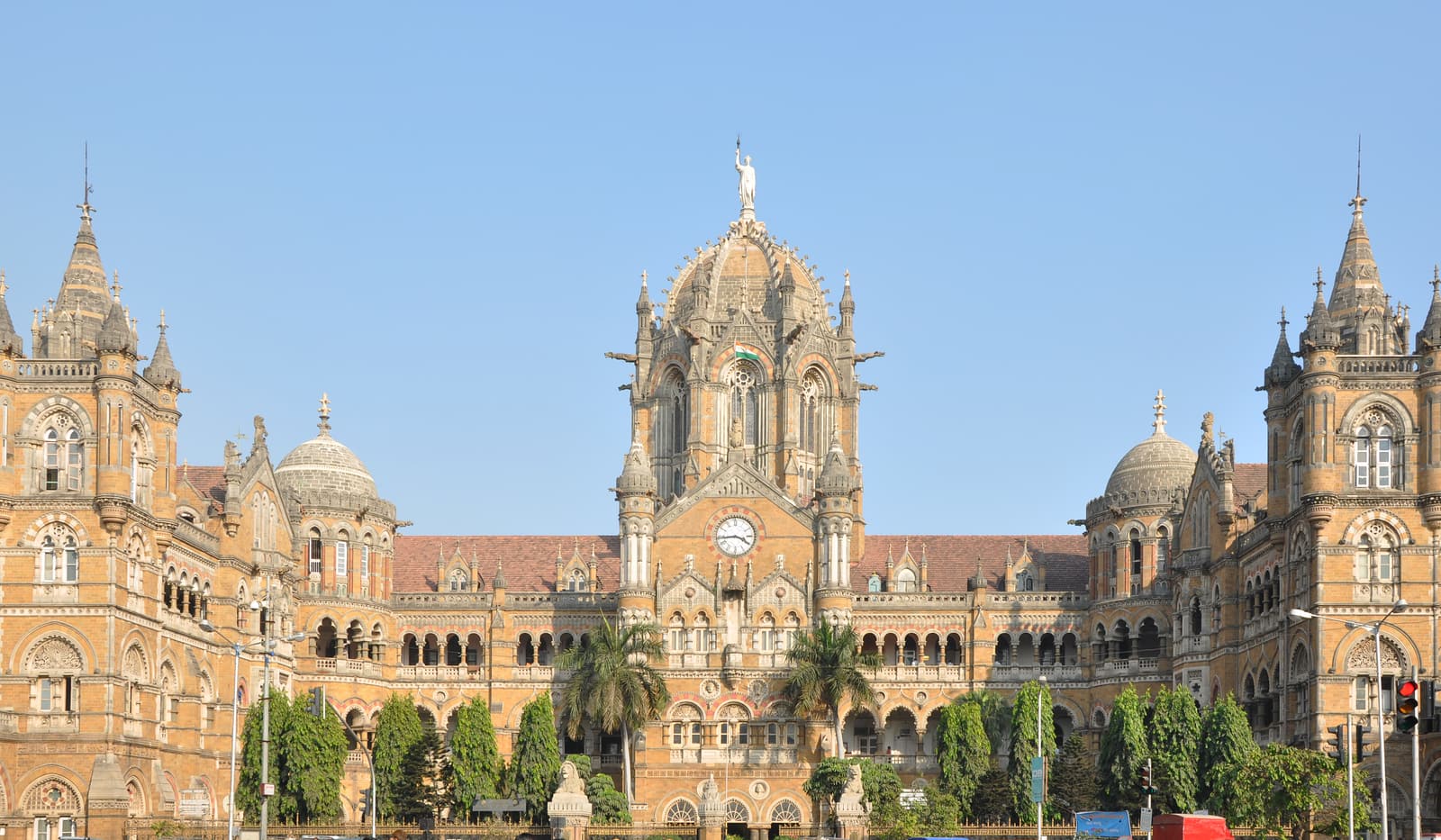
Chhatrapati Shivaji Maharaj Terminus is a working station dressed as a cathedral: turrets, gargoyles, stained glass and a great dome, designed by F. W. Stevens and completed in the late 1880s. It is a UNESCO World Heritage Site and still handles millions of commuters.
 South Mumbai icons
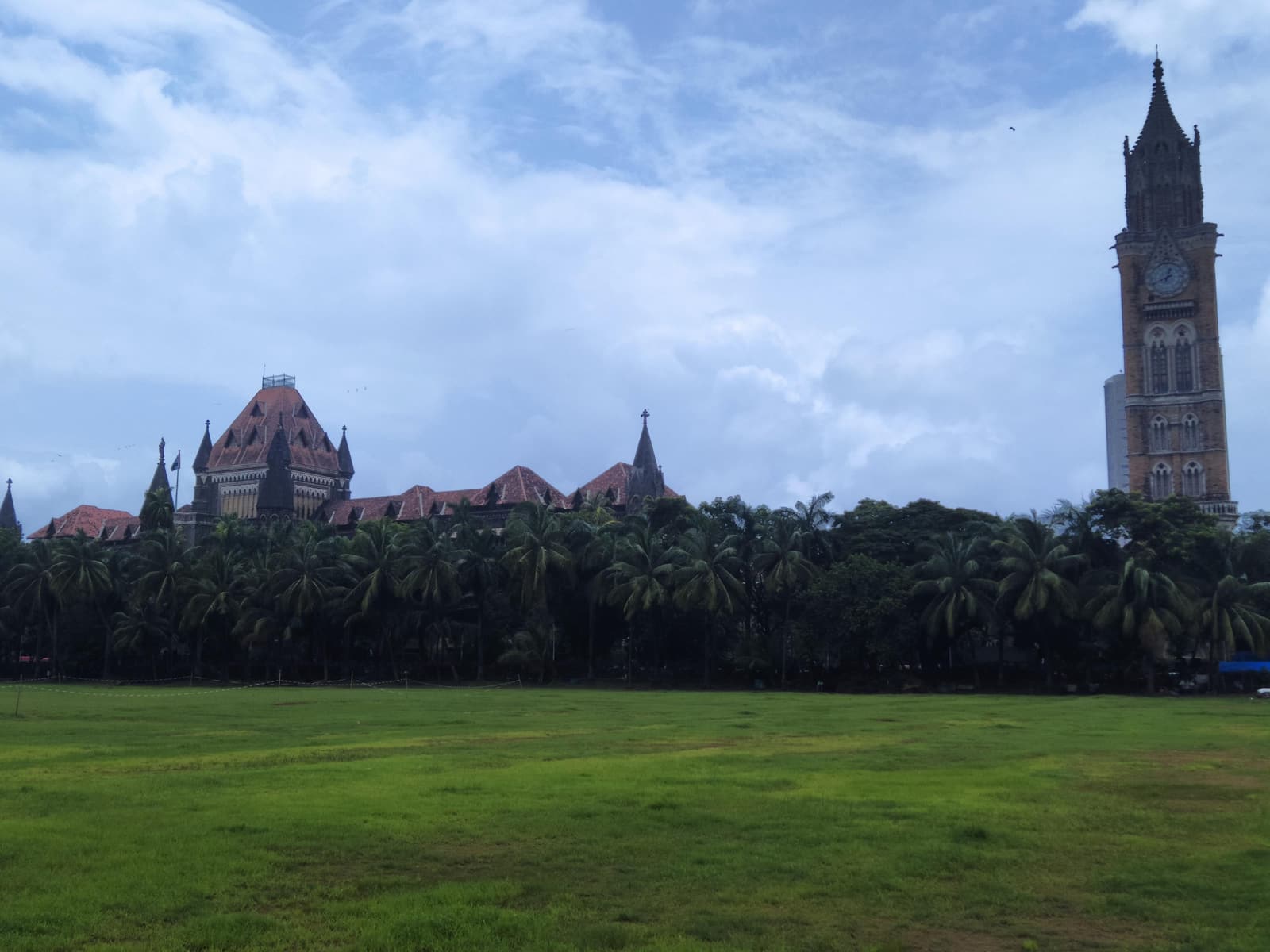
Fort, Oval Maidan & Kala Ghoda
Victorian Gothic meets Art Deco
Across the cricket pitches of the Oval Maidan, a row of Victorian Gothic public buildings faces a row of 1930s Art Deco apartment blocks — together a UNESCO World Heritage ensemble. Around them lie the Fort business district and Kala Ghoda, the city’s gallery and museum quarter.
 South Mumbai icons
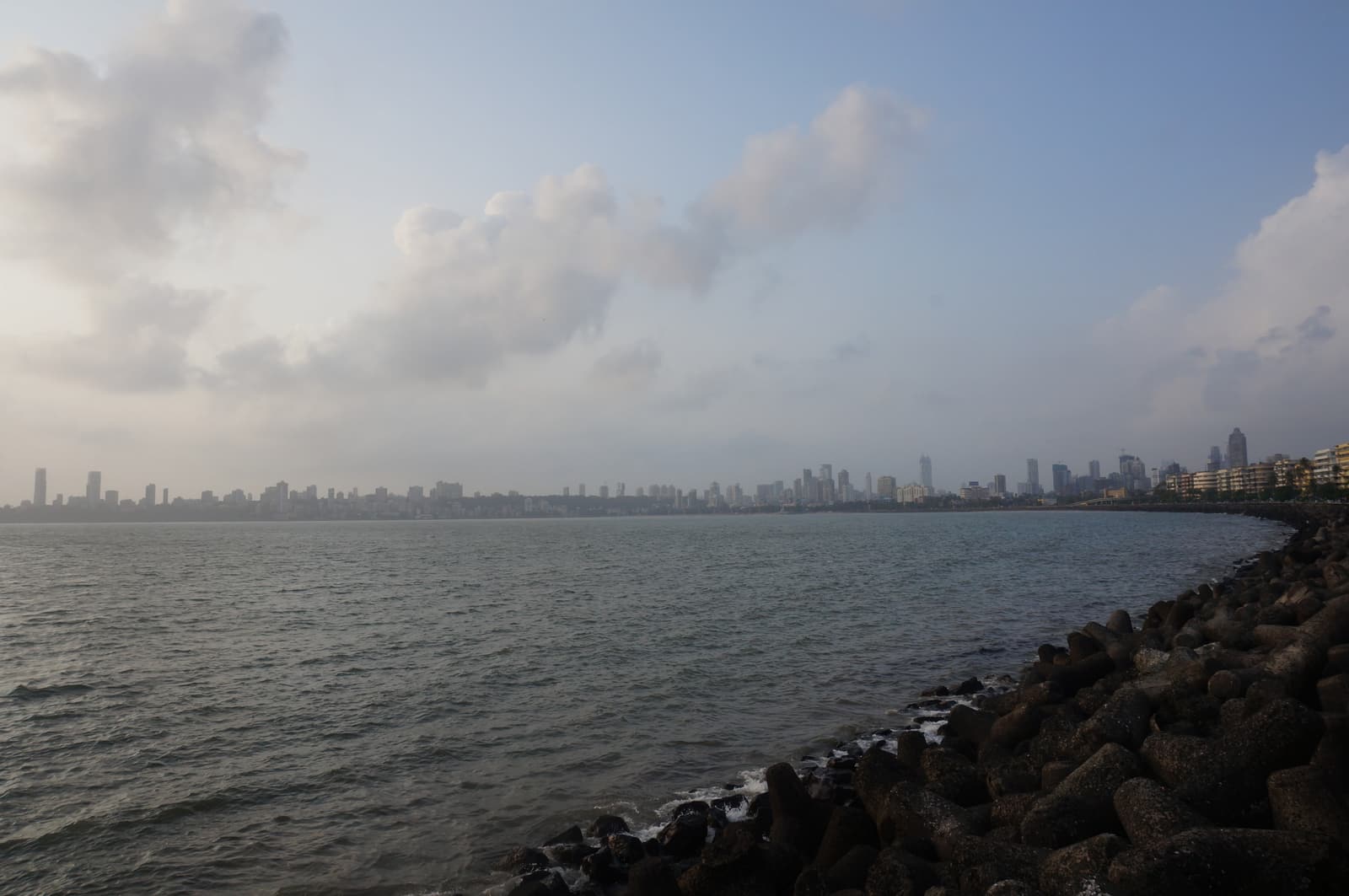
Marine Drive & Chowpatty
The Queen’s Necklace
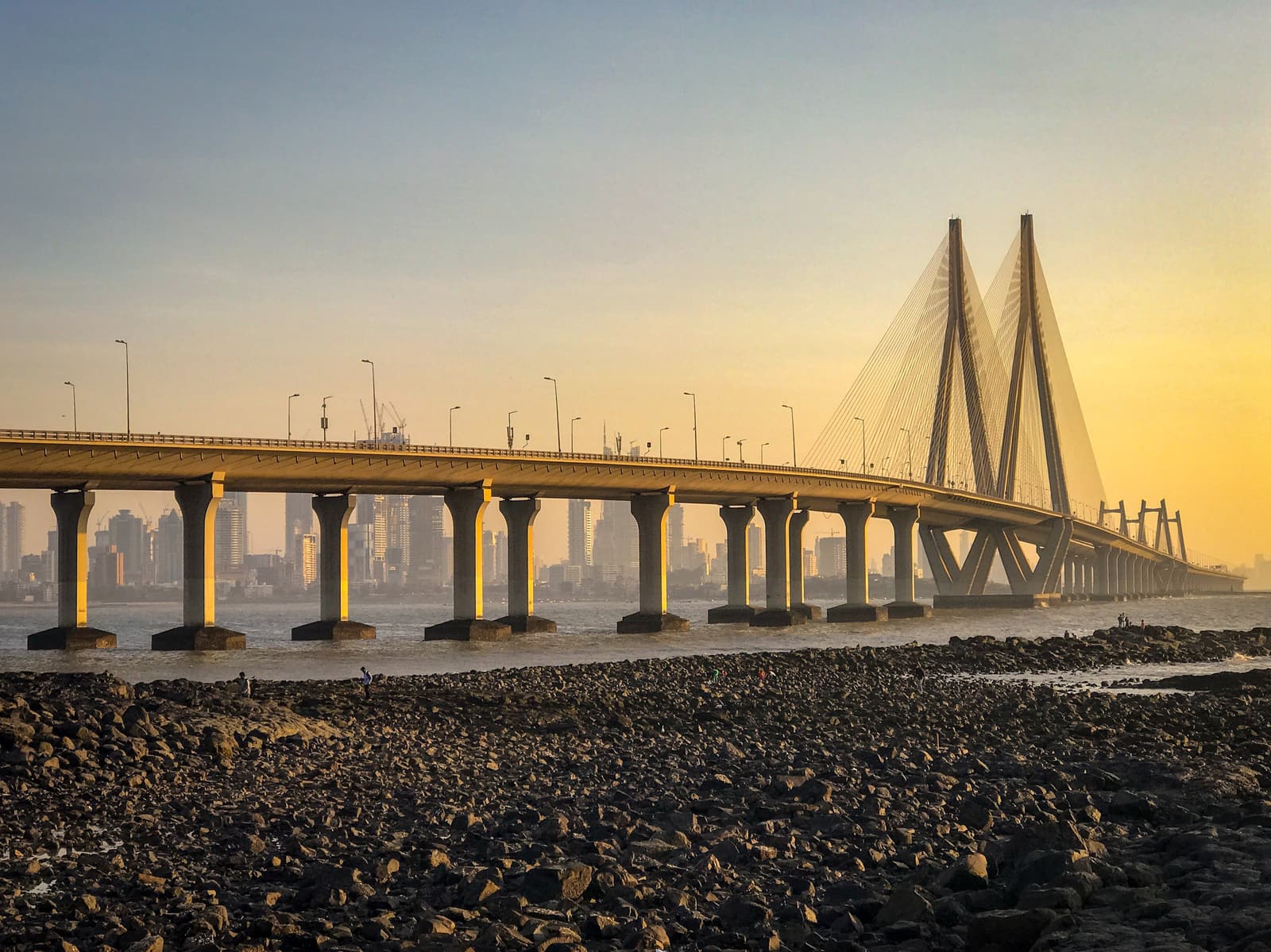
A 3.6-kilometre sweep of promenade around Back Bay, lined with Art Deco apartment blocks and ending at the sand of Girgaon Chowpatty. Mumbai comes here at sunset to walk, sit on the sea wall and eat bhel puri as the streetlights come on.
Bazaars, shrines & neighbourhoods
 Bazaars, shrines & neighbourhoods
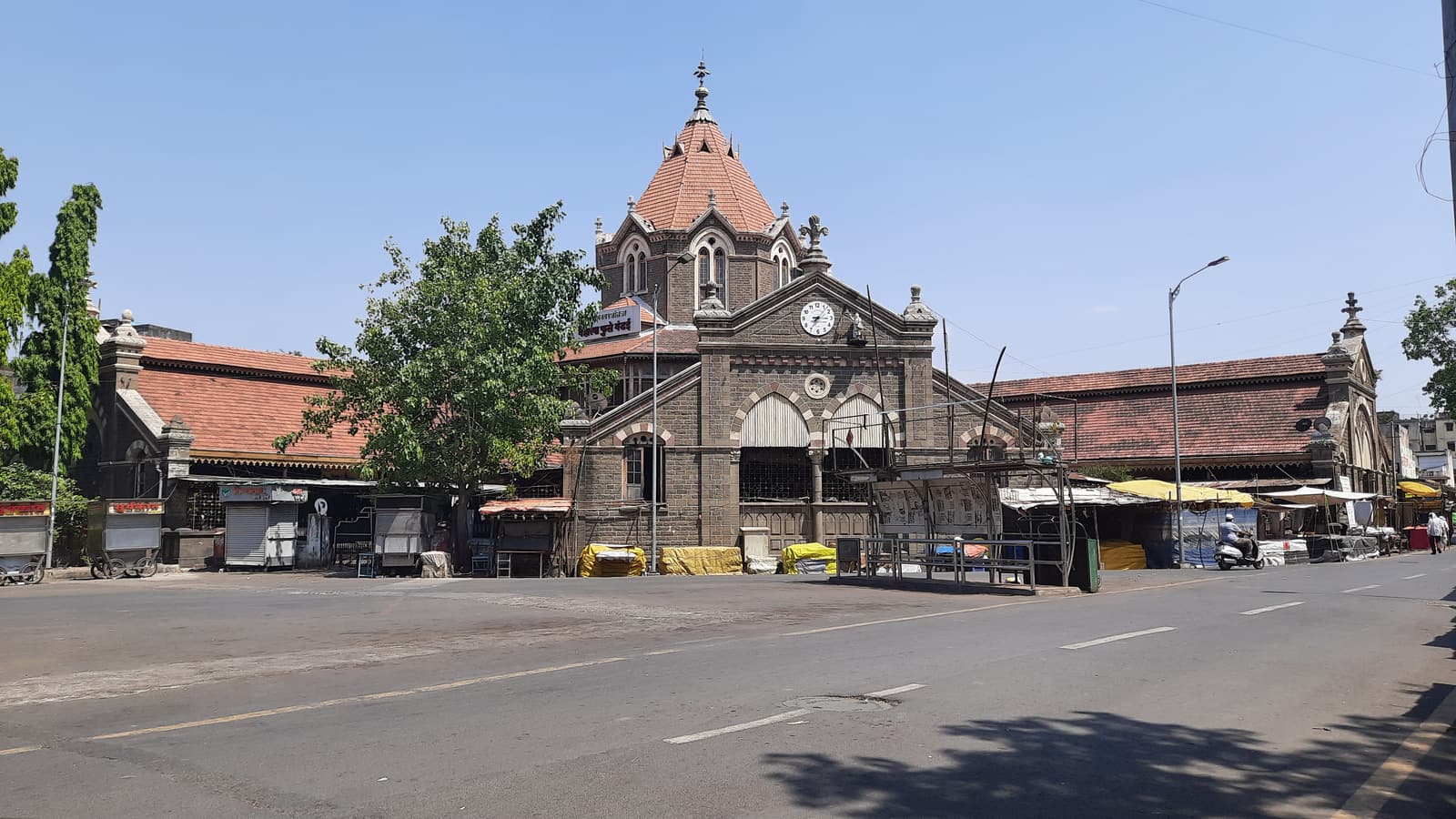
Crawford Market & the Bazaars
Spices, silver and Ramadan nights
North of the Fort, colonial order gives way to the old bazaars: the 1869 Crawford Market with its fruit and spice stalls, the cloth merchants of Mangaldas Market, the jewellers of Zaveri Bazaar, and Mohammed Ali Road, which becomes one long food street on Ramadan nights.
 Bazaars, shrines & neighbourhoods
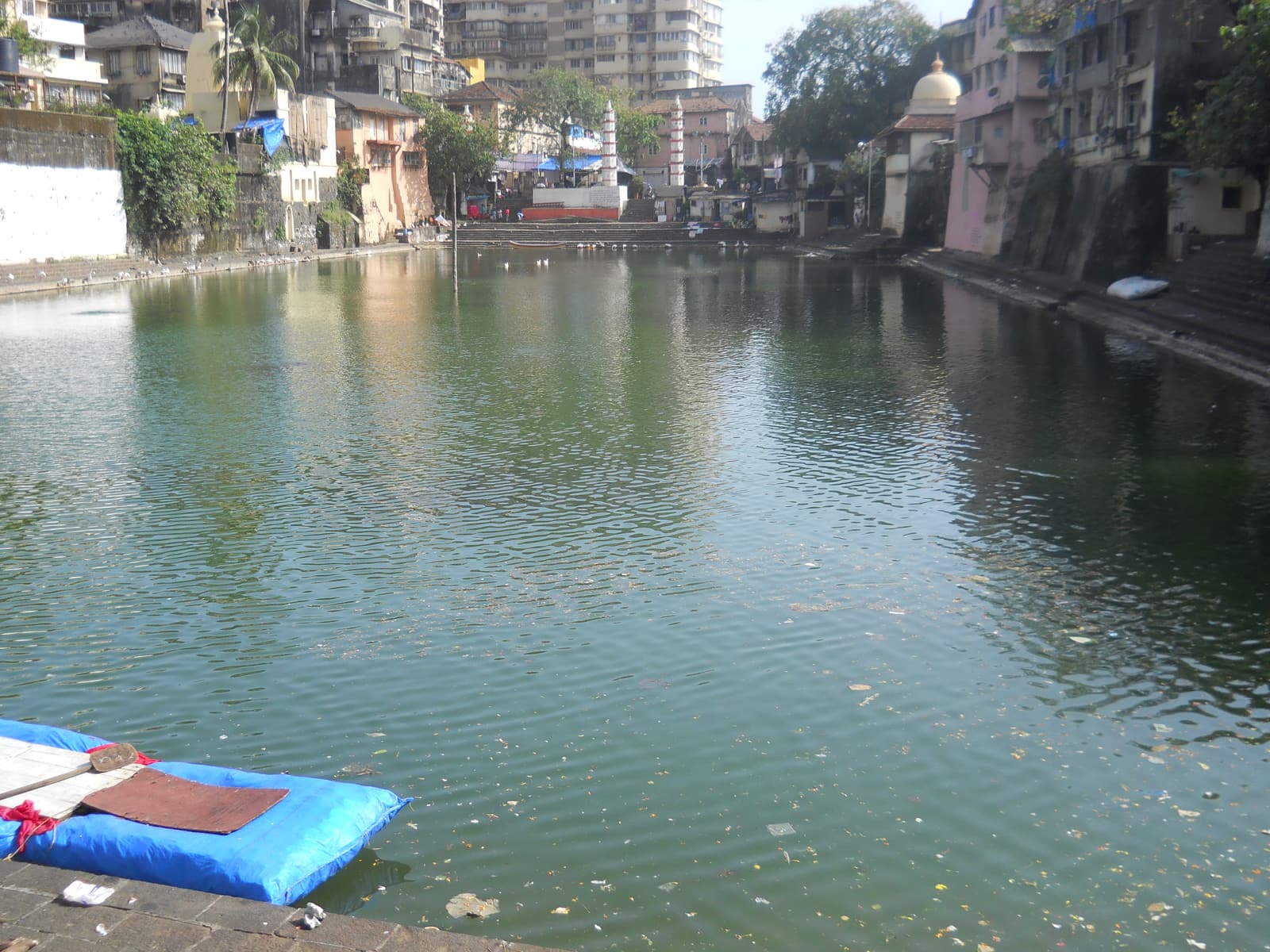
Malabar Hill, Banganga & Mani Bhavan
A sacred tank and Gandhi’s Mumbai home
The hill at the north end of Marine Drive holds three quieter sights: the Hanging Gardens with their view back over the bay, the ancient stepped Banganga Tank ringed with temples, and Mani Bhavan, the house that was Gandhi’s base in the city from 1917 to 1934.
 Bazaars, shrines & neighbourhoods
Haji Ali, Mahalaxmi & Dhobi Ghat
A shrine in the sea and a laundry for a city
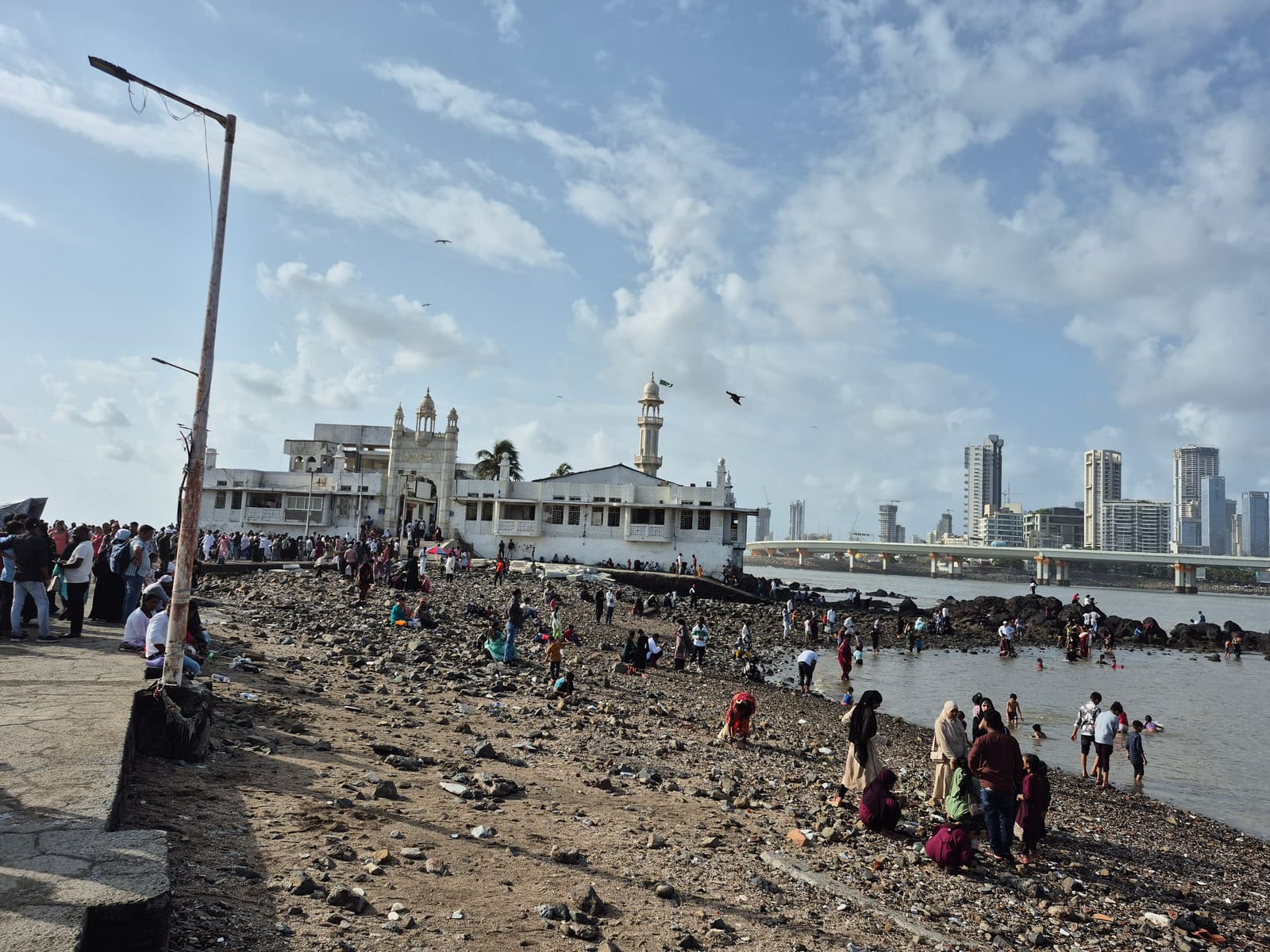
In the middle of the city, three very Mumbai sights sit close together: the white Haji Ali Dargah on its islet, reached by a causeway at low tide; the Mahalaxmi temple on the shore; and Dhobi Ghat, the huge open-air laundry beside Mahalaxmi station. Siddhivinayak temple is a short taxi ride north.
 Bazaars, shrines & neighbourhoods
Dharavi
A city within the city
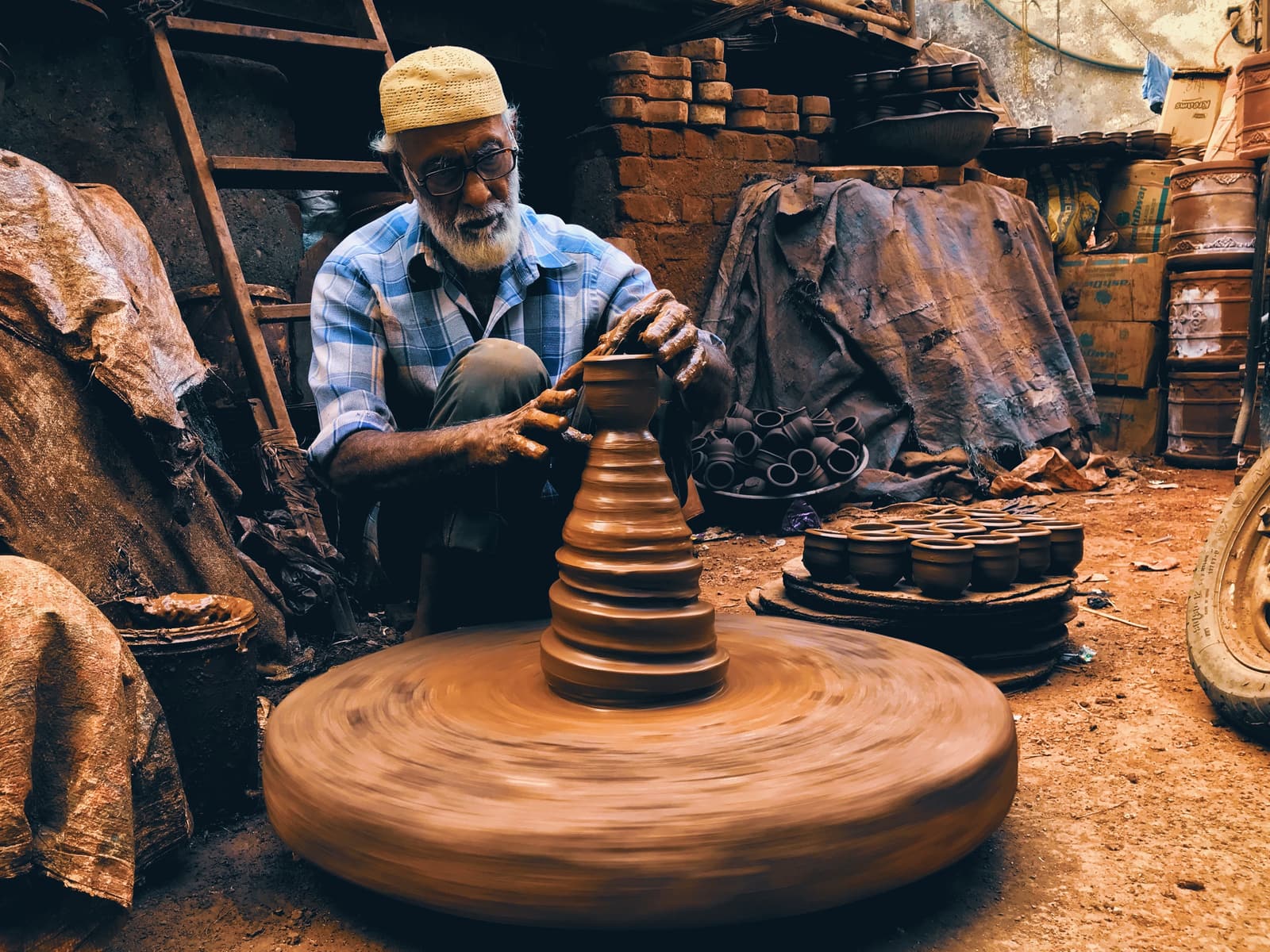
One of the most densely populated neighbourhoods on earth is also one of Mumbai’s most productive: thousands of small workshops recycle plastic, tan leather, throw pots and stitch clothes. A responsible guided walk shows a place defined by work rather than by want.
 Bazaars, shrines & neighbourhoods
Caves, hills & day trips
 Caves, hills & day trips
Sanjay Gandhi National Park & Kanheri Caves
A forest and a Buddhist monastery inside the city
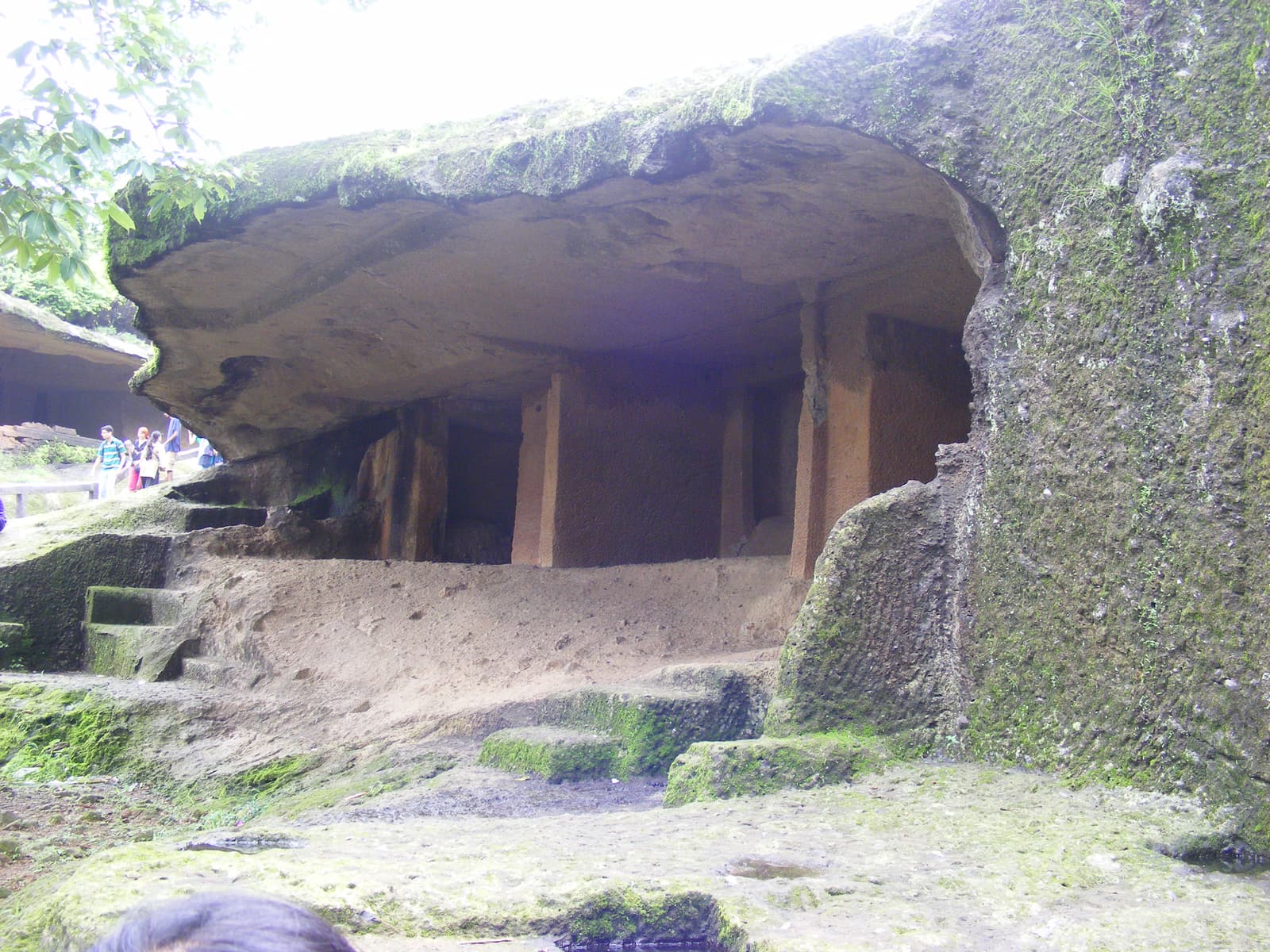
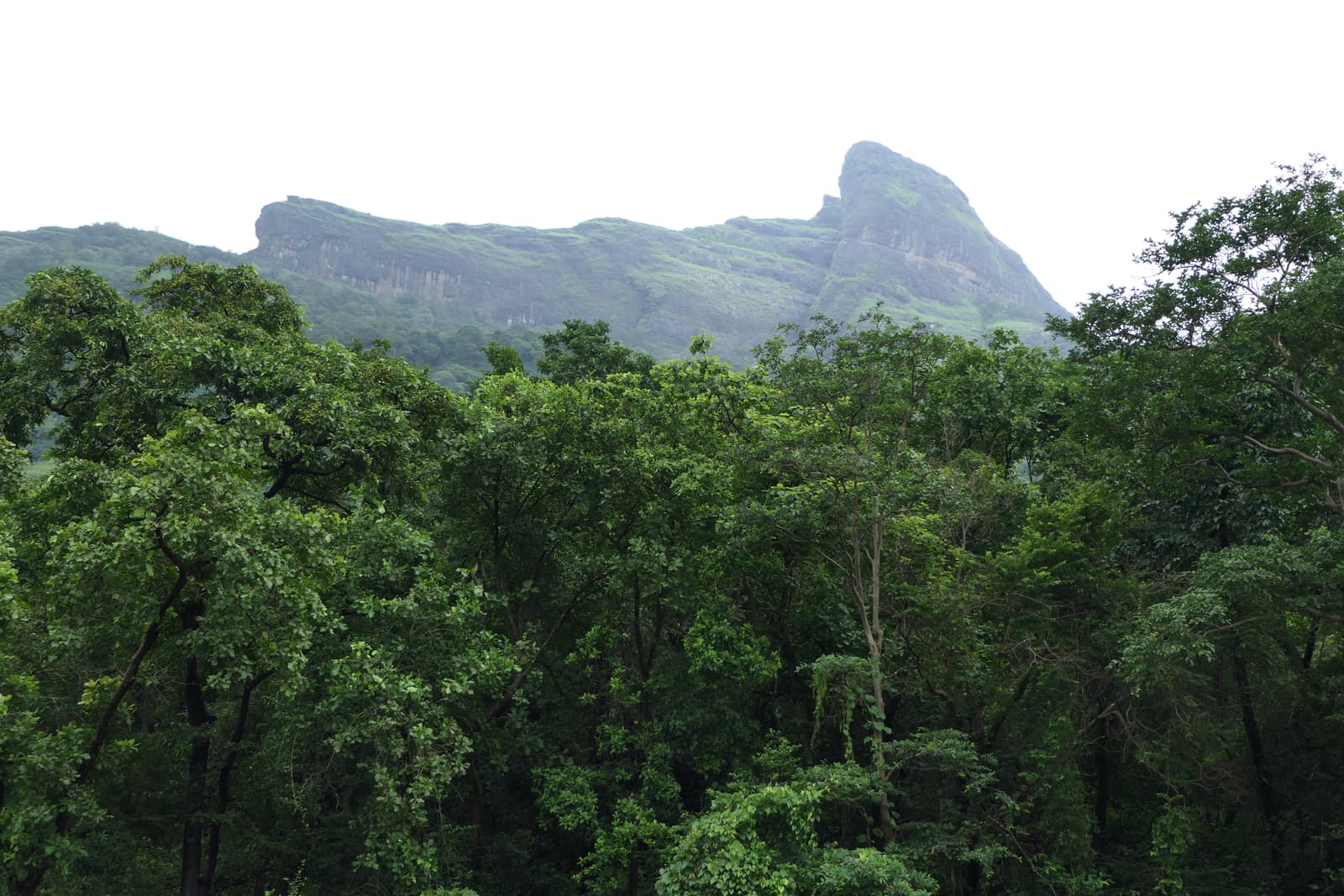
Few cities have a national park within their limits. In the forested hills of Borivali, more than a hundred rock-cut caves at Kanheri record a thousand years of Buddhist monastic life, from around the 1st century BC onwards.
 Caves, hills & day trips
Lonavala, Karla & Bhaja Caves
Hill air and ancient chaityas
Mumbai’s nearest hill stations, Lonavala and Khandala, sit on the crest of the Western Ghats two to three hours from the city. Close by are the Karla and Bhaja caves, among the oldest and finest Buddhist rock-cut halls in India.
 Caves, hills & day trips
Ajanta & Ellora Caves
Maharashtra’s two great cave sites
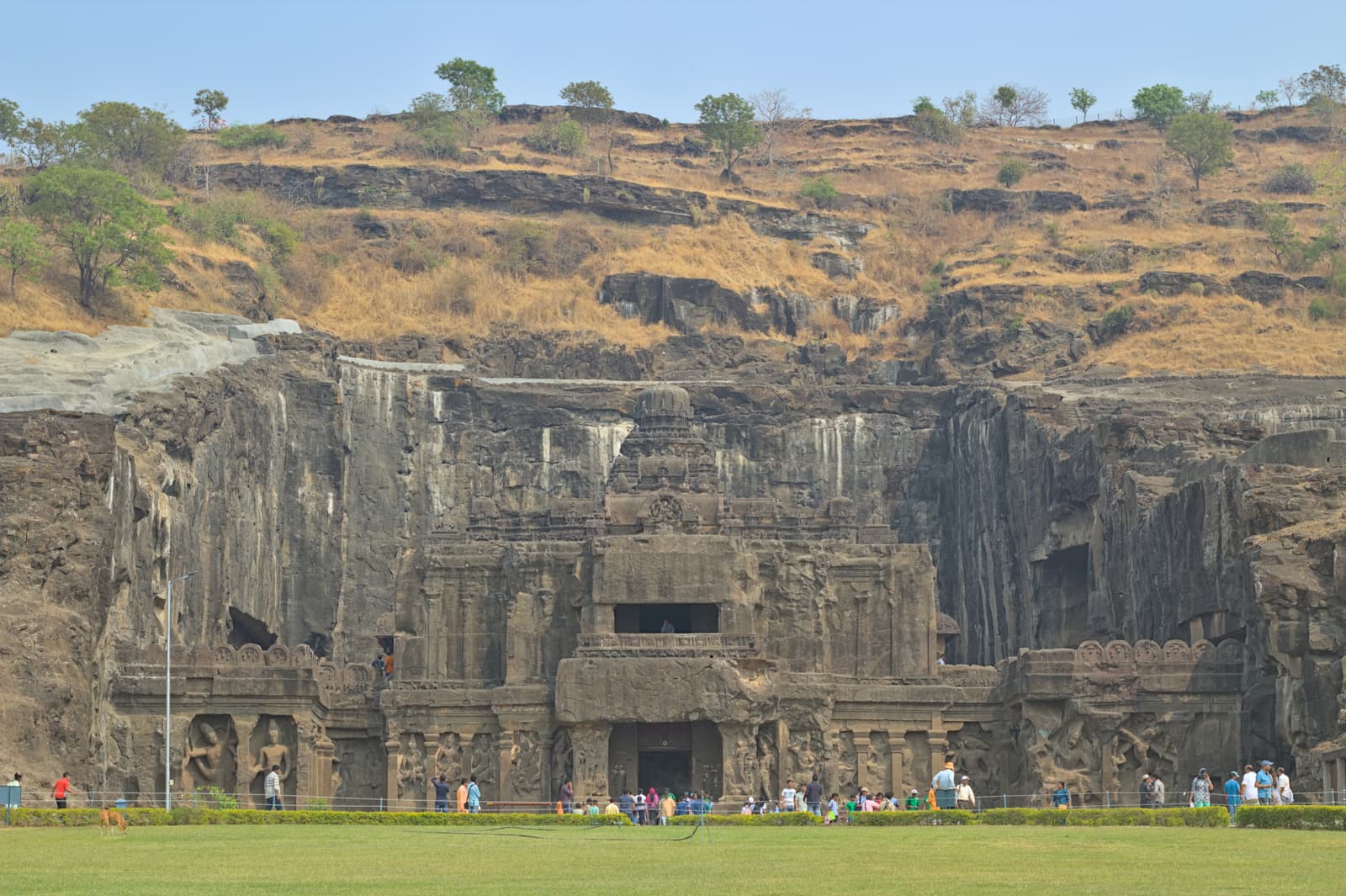
Not a day trip in any relaxed sense, but the best two- or three-day extension from Mumbai: the painted Buddhist caves of Ajanta and the rock-cut temples of Ellora, including the astonishing Kailasa temple. Both are UNESCO World Heritage Sites, reached via Aurangabad (Chhatrapati Sambhajinagar).
A sensible three-day plan: Day one, the Gateway of India and Colaba in the morning, Kala Ghoda and the Oval Maidan after lunch, CSMT in the late light and sunset on Marine Drive. Day two, the first ferry to Elephanta, then Crawford Market and a street-food evening. Day three, Mani Bhavan and Banganga, Haji Ali and Dhobi Ghat, then Bandra for sunset and dinner.
With a fourth day, choose between Kanheri Caves in the national park and a day trip to Lonavala and the Karla caves. Remember that Elephanta is closed on Mondays.
Plan your Mumbai days
See Mumbai with someone who knows it
The Gateway, the caves at Elephanta, the bazaars, the local train and a plate of pav bhaji at the right stall — a good guide turns a big, loud city into an easy one. Compare tours and book in a couple of taps.