On a wooded island in Mumbai harbour, about 10 km east of the Gateway of India, a Shiva temple was cut out of a basalt hillside some 1,500 years ago. Its dating and patronage are debated, but most scholars place the main cave in the 5th to 6th centuries. The Portuguese named the island after a stone elephant found near the landing place; locally it is Gharapuri.
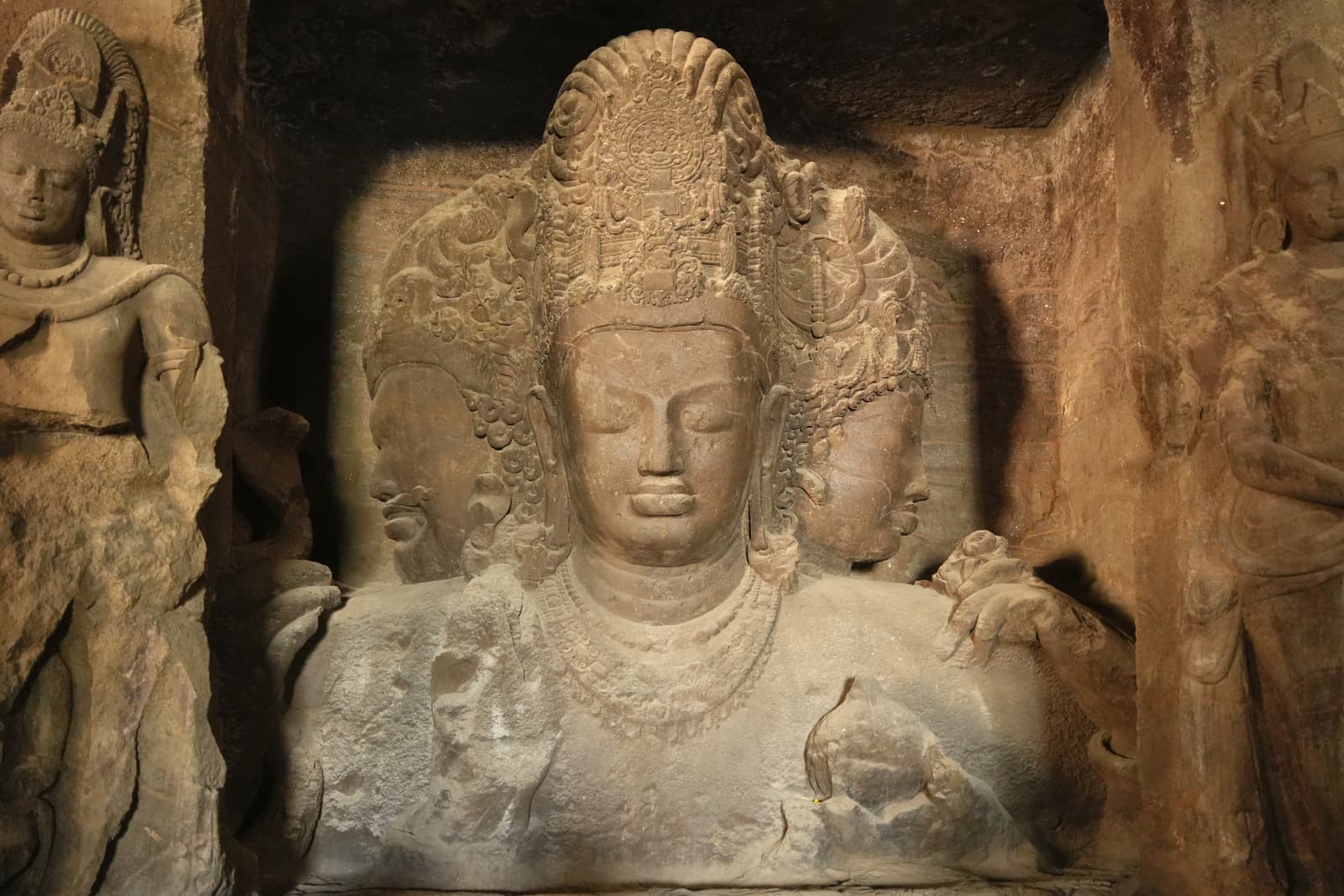
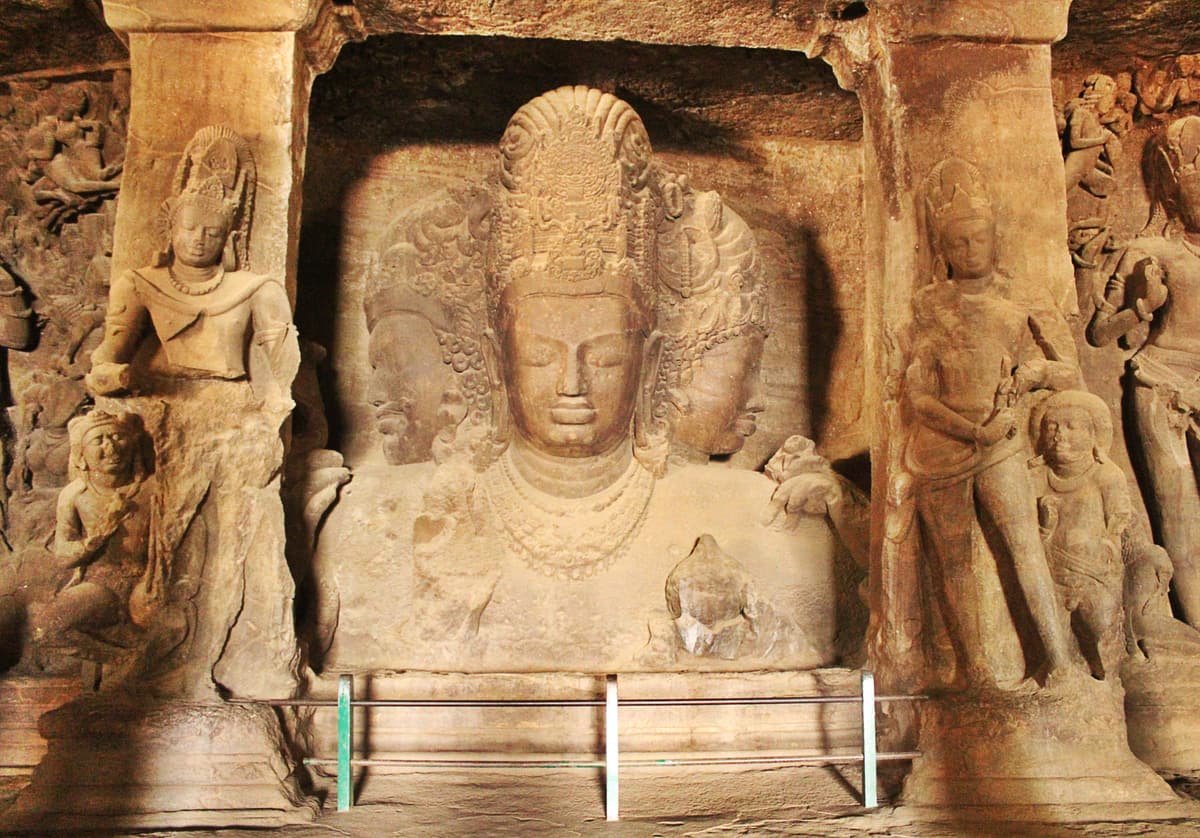
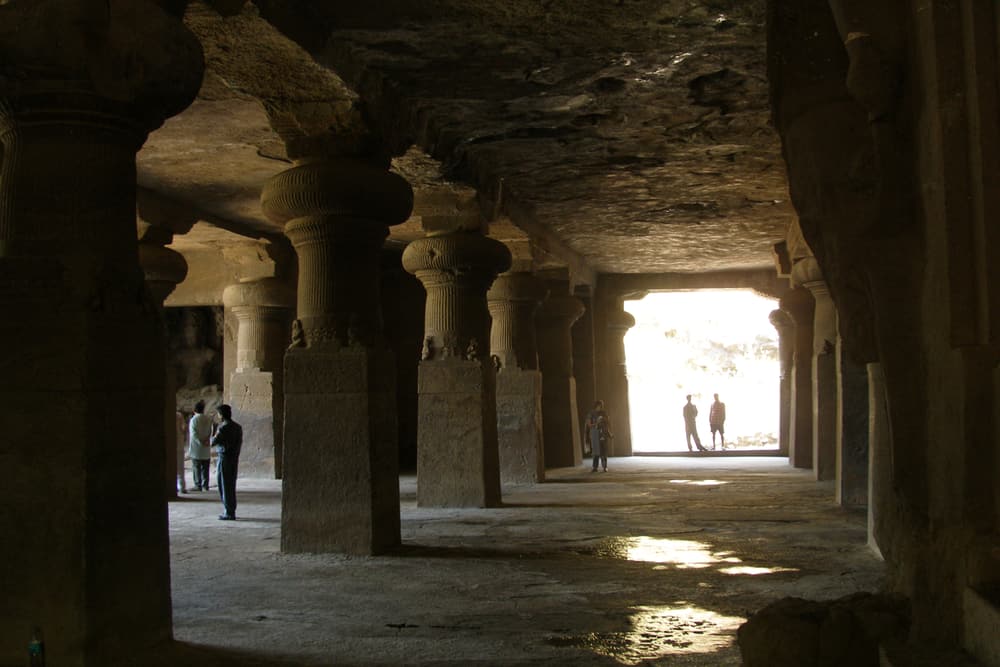
The Elephanta Caves were inscribed as a UNESCO World Heritage Site in 1987. The reason is Cave 1: a pillared hall around 39 metres deep whose walls carry huge reliefs of Shiva — dancing, marrying, meditating, slaying a demon — arranged around the great three-faced bust known as the Trimurti or Sadashiva.
What to see and do: Elephanta Caves
Stand in front of the Trimurti
At the back of the main hall, a bust about six metres high shows three faces of Shiva: a serene central face, a fierce one to the left and a gentle, feminine one to the right — often read as preserver, destroyer and creator. It is one of the great works of Indian art.
Read the panels around the hall
Circle the cave to find Shiva as Nataraja (lord of the dance), as Yogishvara (lord of yoga), the marriage of Shiva and Parvati, the descent of the Ganges, Ardhanarishvara (half man, half woman) and Ravana shaking Mount Kailash. A guide, or a guided Elephanta tour, brings them to life.
Explore the smaller caves and the hilltop
Further along the path are several smaller, plainer caves. A trail climbs on to Cannon Hill, where two old guns look out over the harbour and the mainland.
Enjoy the crossing
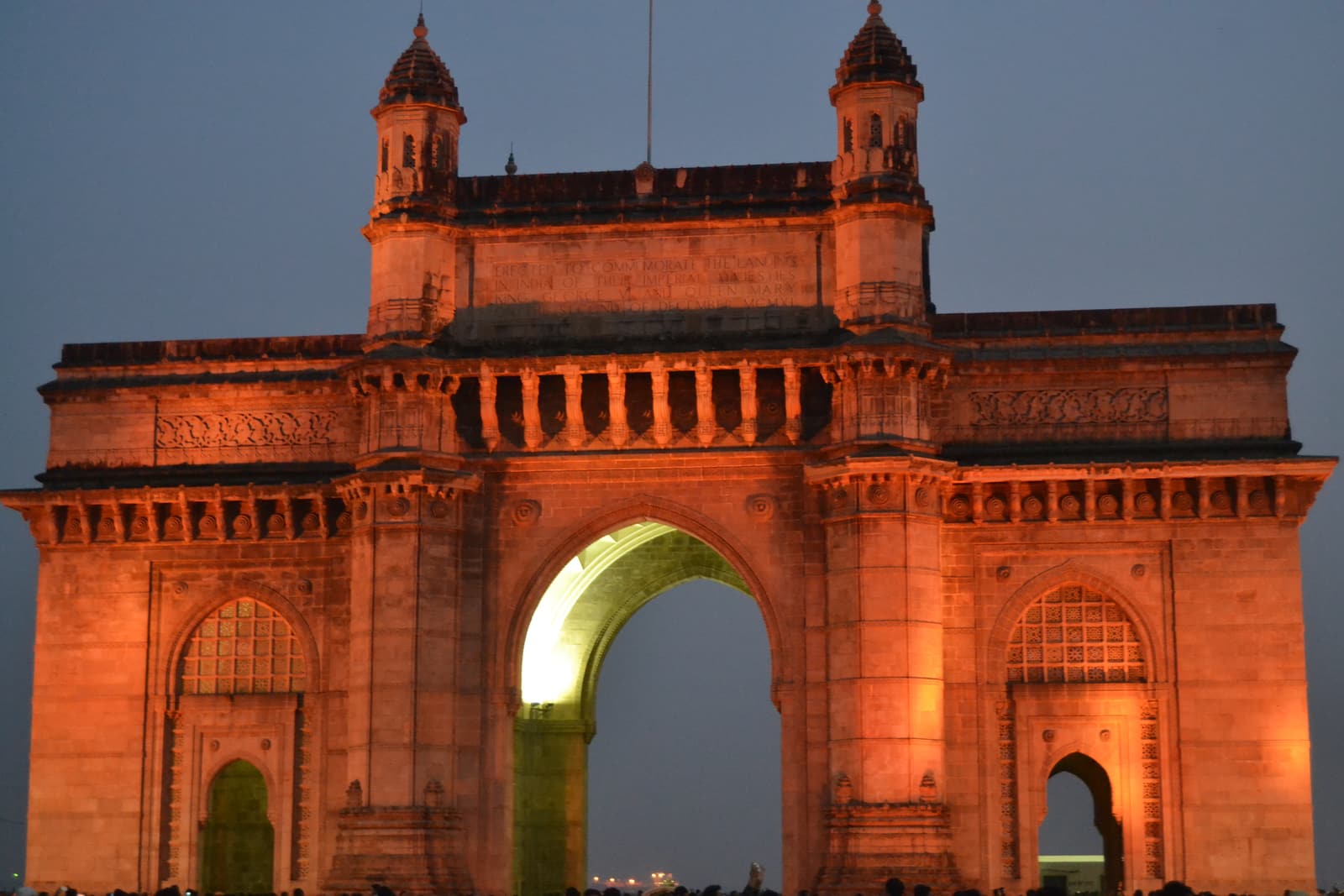
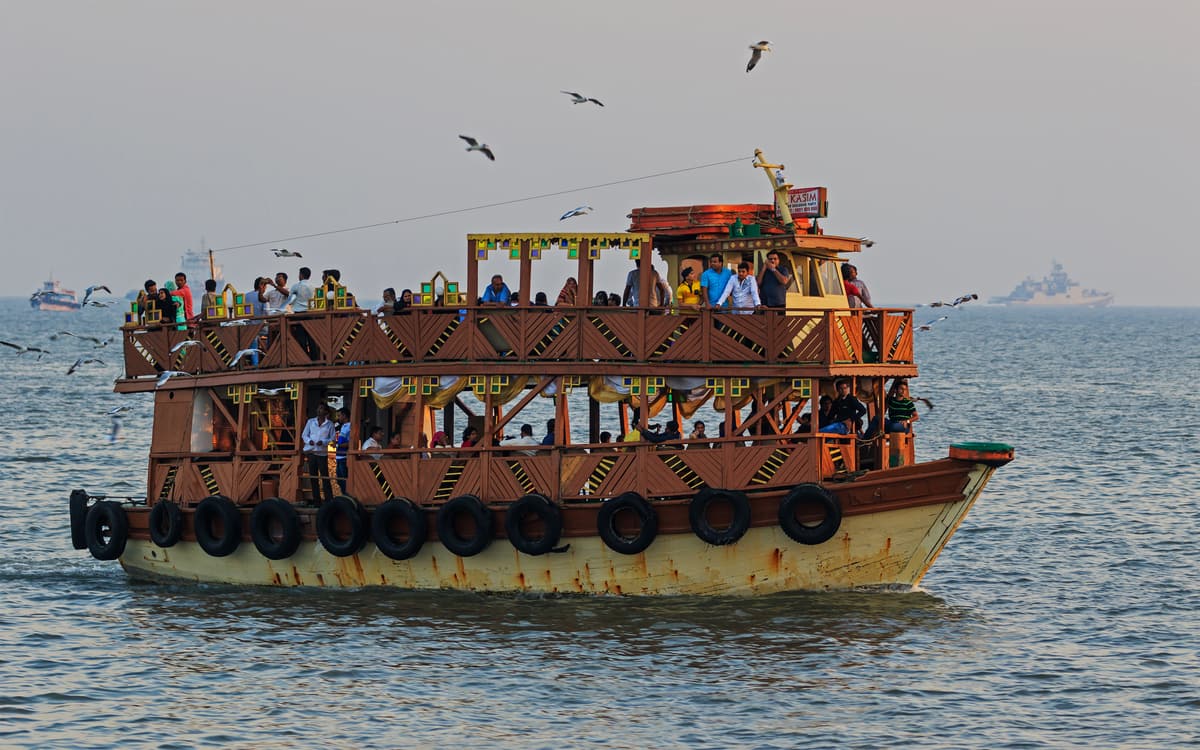
The ferry ride of about an hour gives you the classic sea view of the Gateway and the Taj, then a slow passage past naval ships and container vessels.
How to get there
- Ferry: boats leave from the jetties beside the Gateway of India, roughly from 09:00 until early afternoon, and take about an hour each way. The last boats back leave the island around 17:00–17:30 — check on the day.
- On the island: from the jetty a small toy train (or a ten-minute walk) covers the pier, then around 120 stone steps climb past souvenir stalls to the ticket office. Sedan chairs are available for those who cannot manage the steps.
- Tickets: the ferry, a small village entry tax and the Archaeological Survey of India ticket are paid separately; foreign visitors pay a higher ASI rate than Indian visitors. Check current prices.
- Monsoon: from roughly June to September ferries are cancelled when the sea is rough, sometimes for days.
Insider tips
- The caves are closed on Mondays. Weekends and public holidays are very busy.
- Take the first or second boat: the cave is cooler and emptier, and you avoid the afternoon rush for the return ferry.
- Allow four to five hours door to door from the Gateway.
- Keep food and bags closed — the island’s monkeys are skilled thieves.
- Wear proper shoes and carry water; there is shade in the caves but little on the steps.
Tours that include this stop
These guided experiences cover this place or combine easily with a visit:
 Guided half-day tour from US$19
Mumbai: Elephanta Caves Half-Day Guided Tour
Elephanta’s sculptures are magnificent but almost unlabelled, so a guide makes a real difference. This best-selling tour explains the great cave panel by panel — the Trimurti, Shiva as Nataraja, the marriage of Shiva and Parvati — and sorts out the ferry from the Gateway of India. The caves are closed on Mondays.
- UNESCO-listed rock-cut Shiva temple
- The six-metre, three-faced Sadashiva (Trimurti)
- A guide who explains each sculpted panel
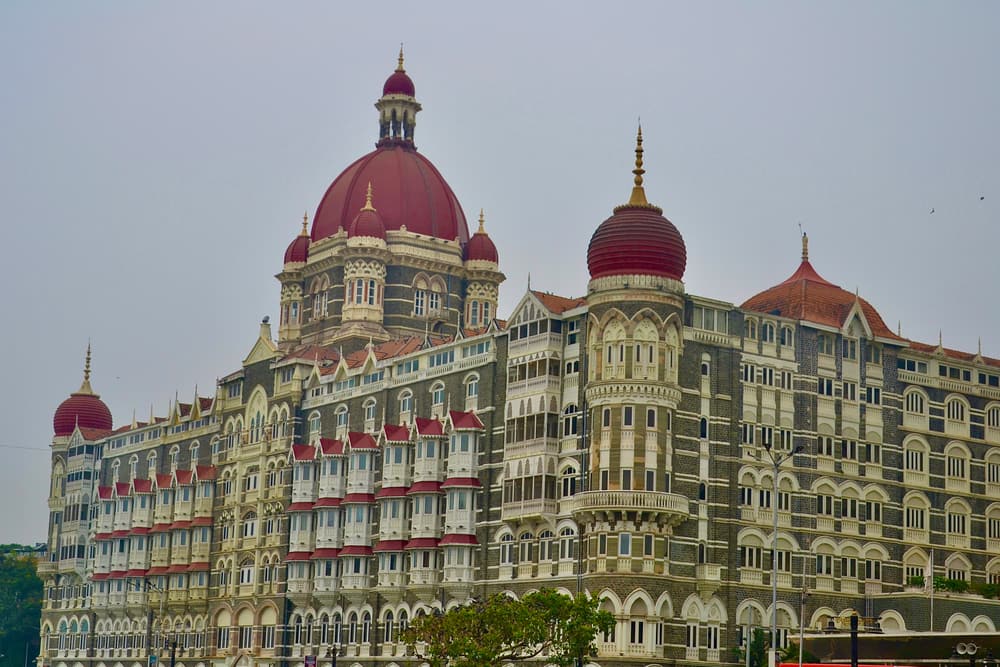 Guided city tour by car from US$21
Mumbai: Full-Day Sightseeing Tour of Mumbai
The most-reviewed Mumbai tour on GetYourGuide and the easiest way to cover a spread-out city in one day. You travel by air-conditioned car between the big South Mumbai sights, with a driver-guide or a separate guide depending on the option you pick, and choose a shorter or longer version to suit your day.
- Gateway of India, CSMT and Marine Drive
- Dhobi Ghat, Mani Bhavan and Malabar Hill
- Air-conditioned car with a driver-guide or a dedicated guide