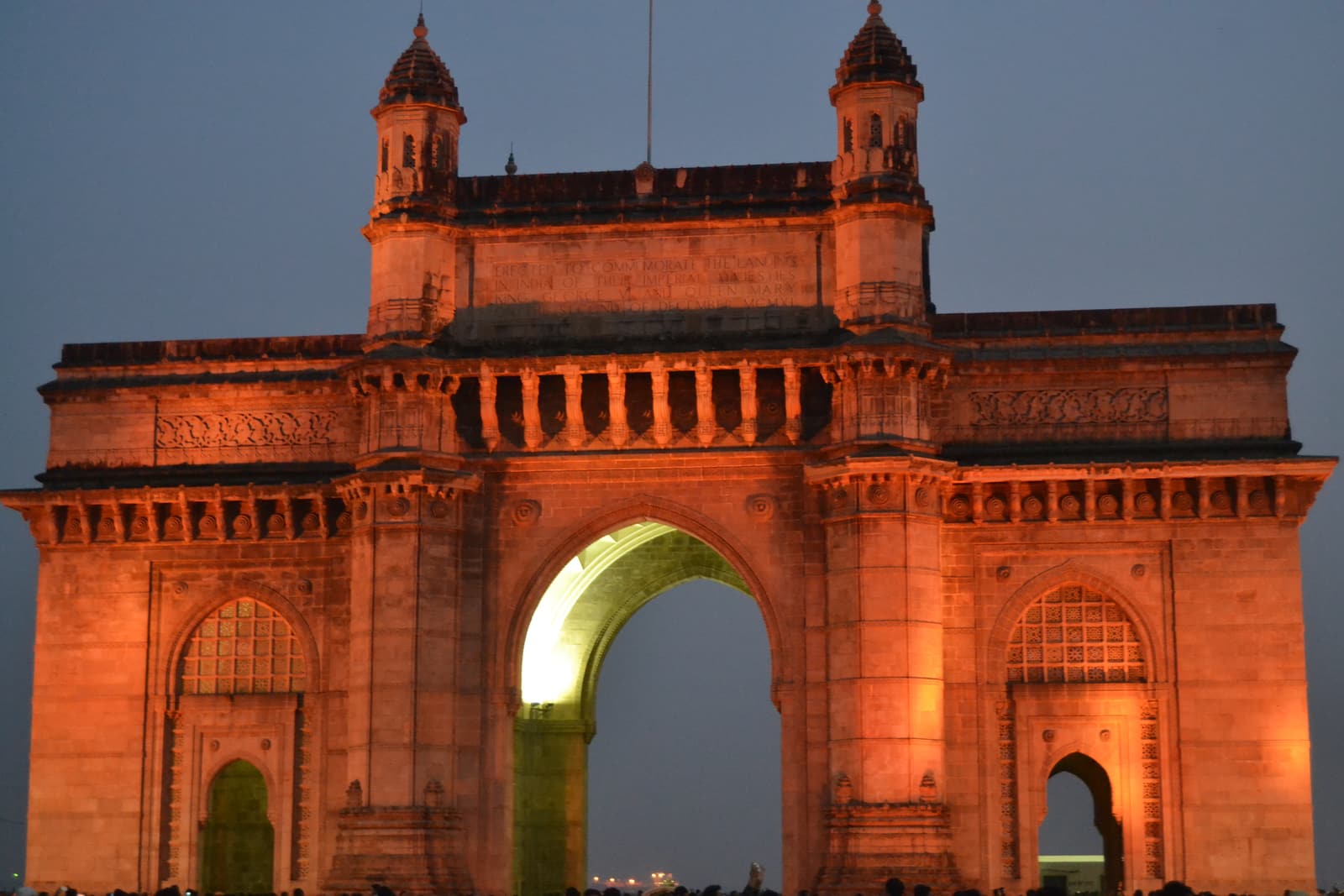
The Gateway of India was built to commemorate the landing of King George V and Queen Mary at Apollo Bunder in 1911, on their way to the Delhi Durbar. The foundation stone was laid in 1913 and the arch, designed by George Wittet in a blend of Indian and Islamic styles and built of yellow basalt, was completed in 1924. It stands about 26 metres high.
History gave it an ironic second role: in February 1948 the last British troops to leave India marched out through the arch. Today it is simply the place where Mumbai meets — families, photographers, balloon sellers and the queue for the Elephanta ferries, with the Taj Mahal Palace hotel rising behind.
What to see and do: Gateway of India & Colaba
See the arch from land and from the water
Walk around the plaza, then take a short harbour cruise or the Elephanta ferry: the classic view of the Gateway with the Taj behind it is from the sea. Early morning is the quietest and coolest time; the plaza has security checks at its entrances.
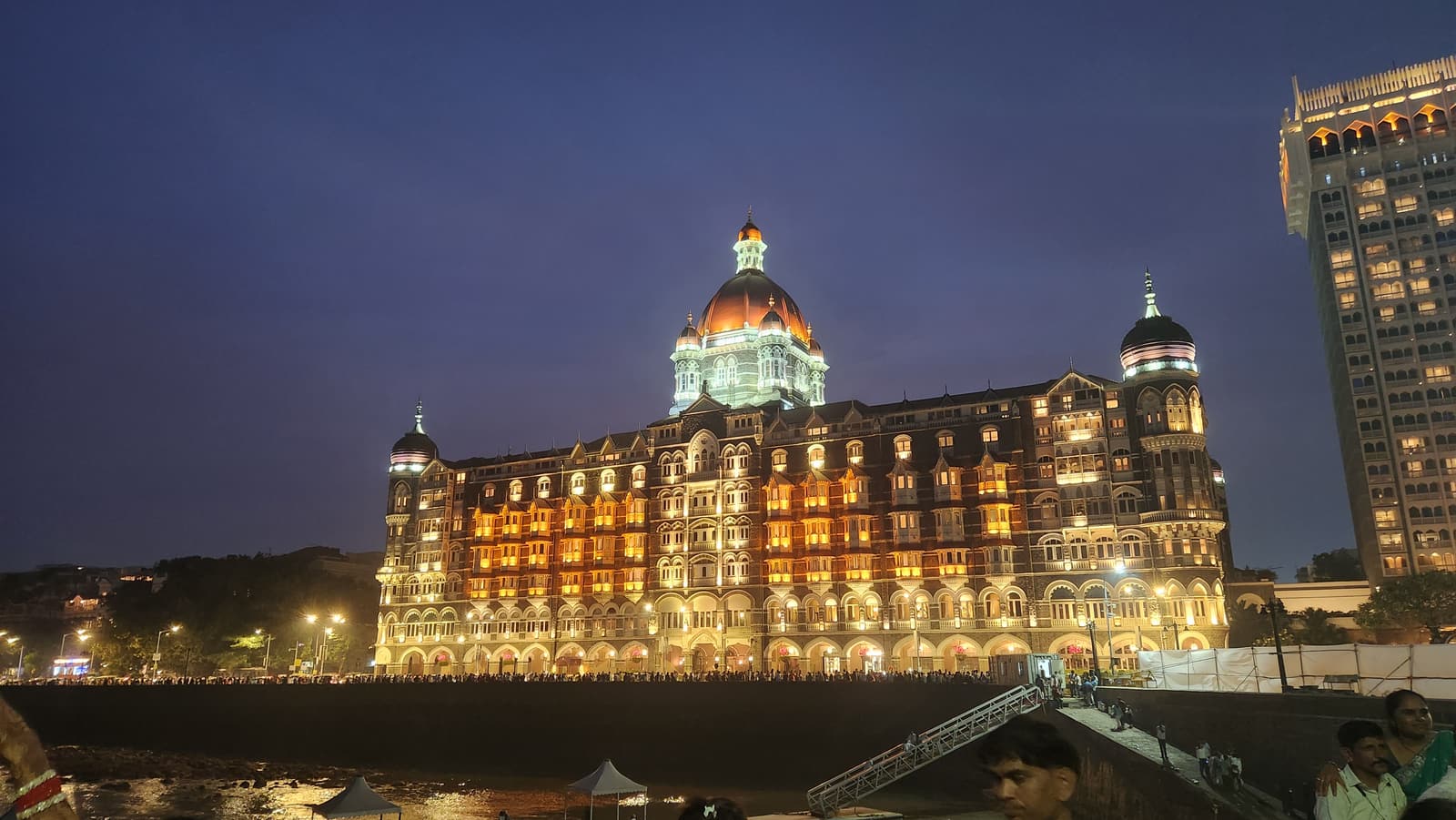
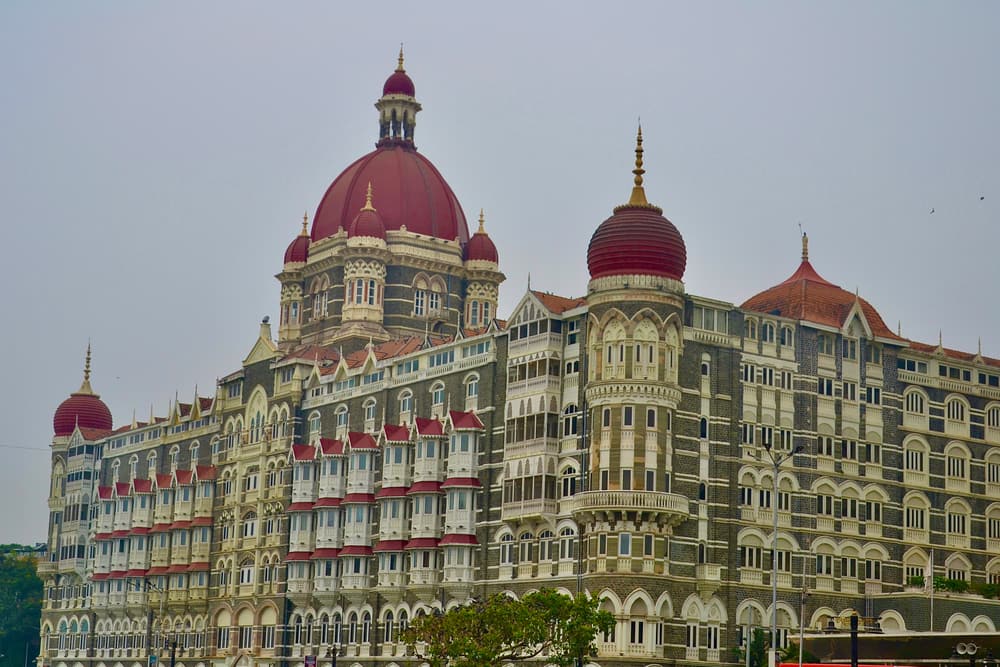
Look into the Taj Mahal Palace
Jamsetji Tata’s hotel opened in 1903, two decades before the Gateway was finished. You do not have to be a guest to see it — non-residents can book tea, a drink or a meal in its restaurants and take in the grand staircase and domed interior.
Walk Colaba Causeway
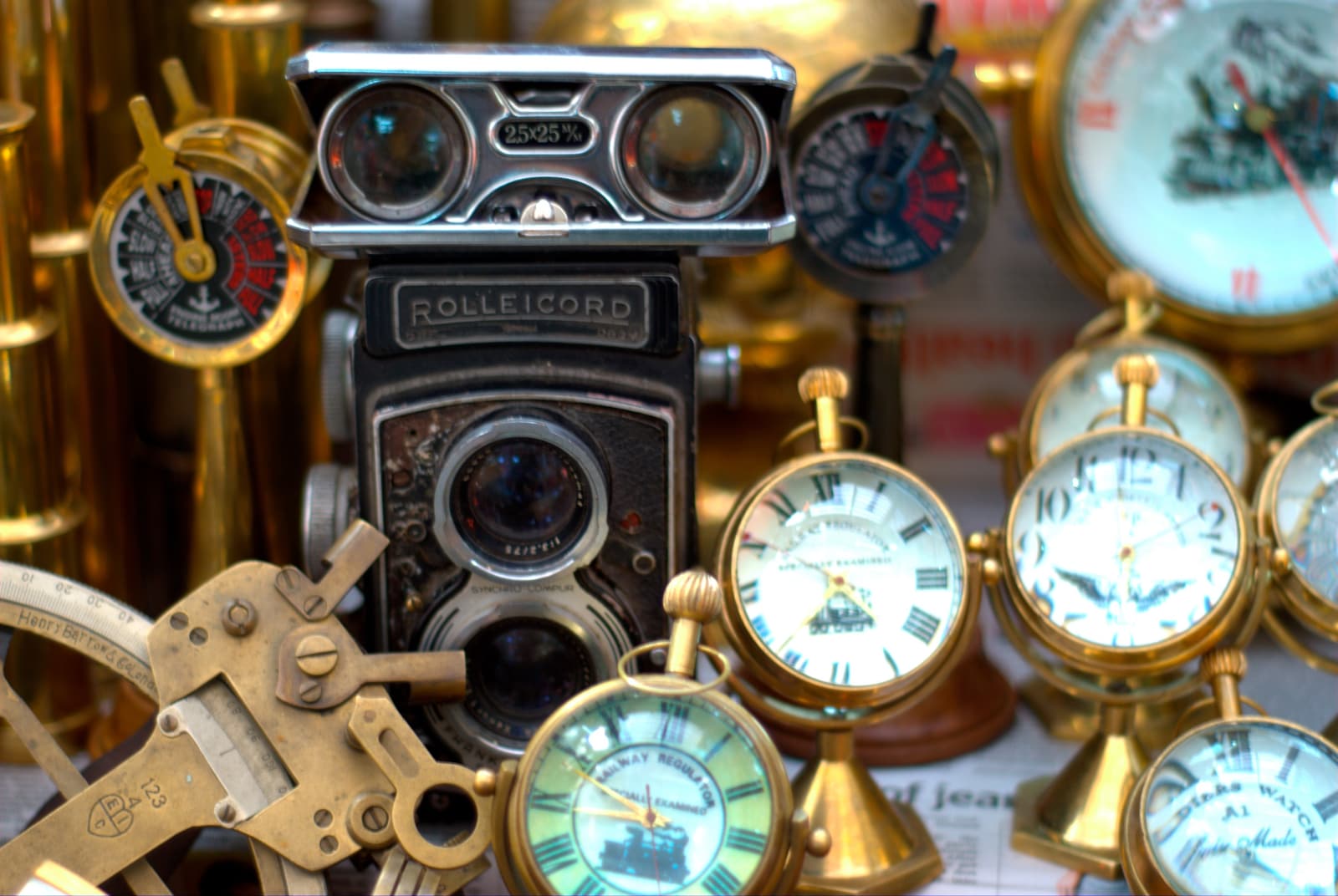
The street running south from Regal Cinema is lined with pavement stalls selling jewellery, sandals, scarves and curios (bargain politely) and with old cafés such as Leopold and Café Mondegar. Behind the Taj, the street-side kebab stalls come alive after dark.
Continue into Kala Ghoda
Ten minutes’ walk north lies the museum and gallery district of Kala Ghoda. The Gateway, Colaba and Kala Ghoda together make an easy half-day on foot.
How to get there
- By taxi: every driver knows “Gateway”. From Churchgate or CSMT stations it is roughly 10–15 minutes outside rush hour.
- By train: the nearest suburban stations are Churchgate (Western line) and CSMT (Central and Harbour lines), each about 2–2.5 km away; continue by taxi or bus.
- By Metro: the underground Aqua Line (Line 3) serves South Mumbai — check the current map for the station nearest Colaba.
- On a tour: almost every Mumbai city tour starts or ends here.
Insider tips
- Come at sunrise for empty photographs, or after dark when the arch and the Taj are floodlit.
- Photographers on the plaza will offer instant prints; agree the price first or politely decline.
- Buy Elephanta ferry tickets only at the official counters by the Gateway.
- Entry to the plaza is free. Large bags may be searched.
Tours that include this stop
These guided experiences cover this place or combine easily with a visit:
 Guided city tour by car from US$21
Mumbai: Full-Day Sightseeing Tour of Mumbai
The most-reviewed Mumbai tour on GetYourGuide and the easiest way to cover a spread-out city in one day. You travel by air-conditioned car between the big South Mumbai sights, with a driver-guide or a separate guide depending on the option you pick, and choose a shorter or longer version to suit your day.
- Gateway of India, CSMT and Marine Drive
- Dhobi Ghat, Mani Bhavan and Malabar Hill
- Air-conditioned car with a driver-guide or a dedicated guide
 Guided walking tour from US$26
Mumbai: South Mumbai Guided Heritage Walking Tour
A three-hour walk through the oldest part of the city, taking in St Thomas’ Cathedral, the streets of Fort and Marine Drive, with a guide to explain how seven islands became Bombay.
- St Thomas’ Cathedral and the Fort district
- Marine Drive
- The city’s colonial and trading history