Mumbai is a 40-kilometre-long city squeezed on to a peninsula, and getting around it is half the adventure. The good news: the suburban trains are fast and almost free, the Metro network is expanding quickly, taxis are metered and cheap, and new sea roads have cut some journeys dramatically. The bad news is the traffic at peak hours — plan around it.
Here are the main ways of getting around, at a glance.
Getting around: the options compared
| How | Best for | Good to know |
|---|---|---|
| Local train | Long north–south trips: Churchgate–Bandra–Borivali, CSMT–Dadar | Very cheap and fast; avoid 08:00–11:00 and 17:00–21:00 |
| Metro | Airport, BKC, Andheri and the underground line into South Mumbai | Air-conditioned; check which lines and stations are open |
| Black-and-yellow taxi | Short hops in South Mumbai | Metered; cash or UPI; no autorickshaws in the south |
| Uber / Ola | Airport runs, late evenings, longer rides | Fixed fare shown in the app; surge pricing in rain and at rush hour |
| Autorickshaw | Bandra, Juhu, Andheri and the northern suburbs | Metered; not allowed south of Bandra and Sion |
| BEST bus | Budget travel, the Marine Drive–Colaba run | Slow in traffic; some air-conditioned and double-decker routes |
| Ferry | Elephanta Island; Mandwa for Alibaug | From the Gateway of India; largely suspended in the monsoon |
| Car with driver | Full-day sightseeing, families, day trips | Often the best value for three or four people |
Arriving by air
Chhatrapati Shivaji Maharaj International Airport (CSMIA, code BOM) has two terminals a few kilometres apart by road. Terminal 2 (Sahar, Andheri East) handles all international flights and many domestic ones. Terminal 1 (Santacruz / Vile Parle) is a domestic terminal used mainly by low-cost airlines. Check which terminal your flight uses — they are not connected airside, and the transfer by road takes time.
From the airport to Colaba or Fort is about 25–30 km. Allow 45 minutes at night and 90 minutes or more in peak traffic. Your options are prepaid taxi counters in the arrivals hall, the Uber and Ola pickup zones, a pre-booked hotel car or private transfer, and the Metro: the underground Aqua Line (Line 3) has stations at both terminals and runs south through BKC, Worli and CSMT — a good choice with light luggage, as long as you check its current operating hours.
Arriving by train
Long-distance trains use several terminals. CSMT and Mumbai Central are the most convenient for South Mumbai; Dadar is central; Lokmanya Tilak Terminus (Kurla) and Bandra Terminus are in the suburbs. Check your ticket carefully and allow for the onward taxi. Book trains through the official IRCTC site or app.
Local trains — and how to ride them
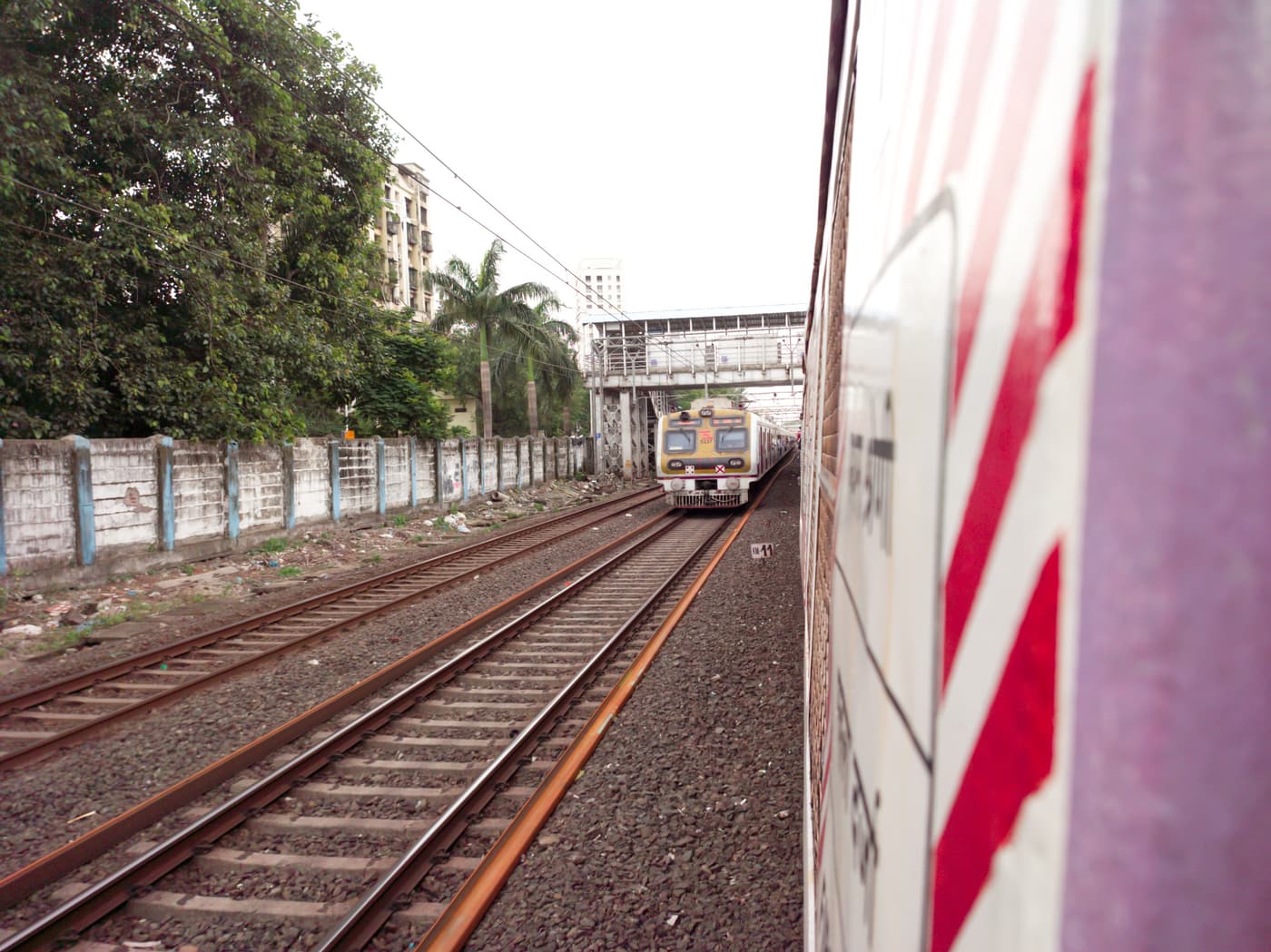
The suburban railway carries several million people a day on three main lines. The Western line runs from Churchgate north through Mumbai Central, Dadar, Bandra and Andheri to Borivali and beyond. The Central line runs from CSMT through Byculla, Dadar and Kurla to Thane and Kalyan. The Harbour line links CSMT with Navi Mumbai and with the western suburbs.
- Avoid rush hour. Roughly 08:00–11:00 towards the south and 17:00–21:00 towards the north the trains are packed beyond anything you have seen. Between 11:00 and 16:00 they are comfortable.
- Choose your class. First class costs several times the second-class fare (still very little) and is less crowded off-peak. Air-conditioned locals run on some services at higher fares.
- Use the ladies’ compartments if you are a woman travelling alone — they are marked on the platform and on the coach.
- Fast or slow? “Fast” trains skip smaller stations. The indicator boards show F or S, the destination and the platform.
- Tickets: buy at the counter, from machines or with the official UTS app. Tourist day passes have been sold at major stations — ask at Churchgate or CSMT. Ticket checks are frequent.
- Getting on and off: trains stop for only a few seconds. Move to the door a station early, let people off first, and never try to board a moving train.
- Mind your pockets and wear your backpack on your front.
The Metro
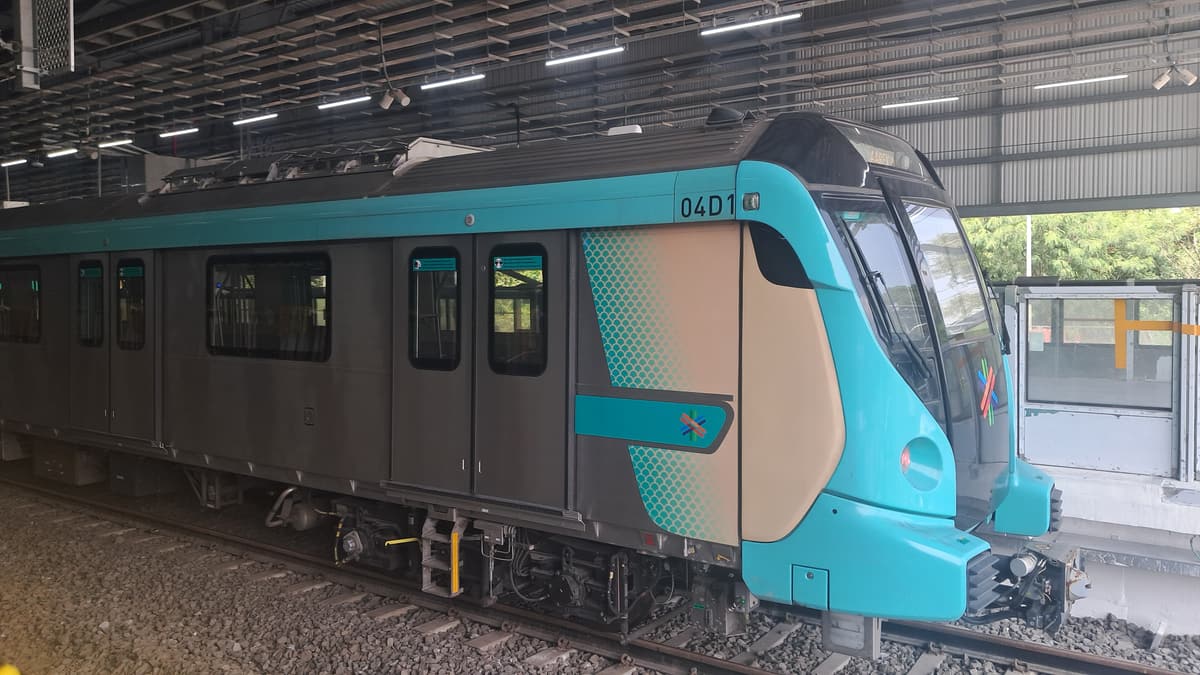
Mumbai’s Metro is growing line by line. The ones visitors use most are Line 1 (the Blue Line, Versova–Andheri–Ghatkopar), Lines 2A and 7 through the north-western suburbs towards Dahisar and Borivali, and Line 3, the fully underground Aqua Line, which runs from Aarey in the north past both airport terminals, BKC, Dharavi, Siddhivinayak, Worli, Mumbai Central and CSMT towards Cuffe Parade at the southern tip. More lines are under construction. Stations and timings change as sections open, so check the operator’s app or site before relying on it.
Taxis, autorickshaws and ride apps
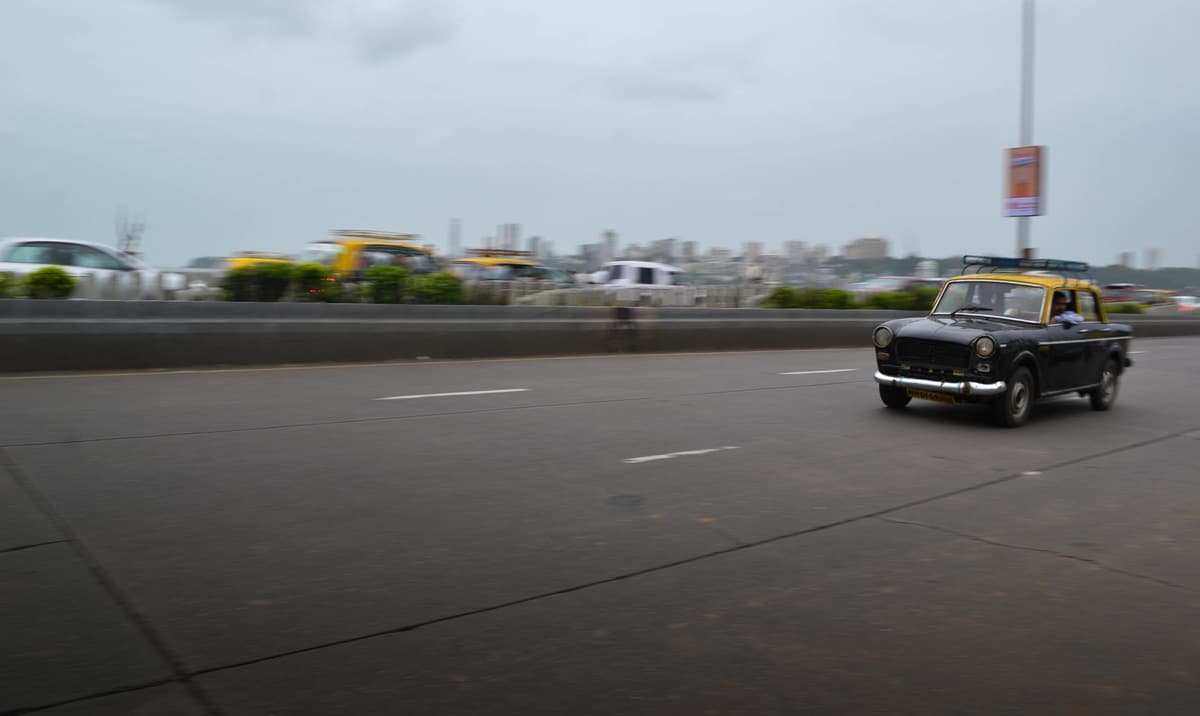
The black-and-yellow taxis — kaali-peeli — are a Mumbai institution. They run on the meter; ask the driver to switch it on, and carry small notes. Autorickshaws are not permitted in South Mumbai, so you will only meet them from Bandra and Sion northwards, where they are the handiest way to cover short distances. Uber and Ola work across the city and are the simplest option for the airport and for late nights; expect waits and higher prices in heavy rain.
The Coastal Road, the Sea Link and Atal Setu
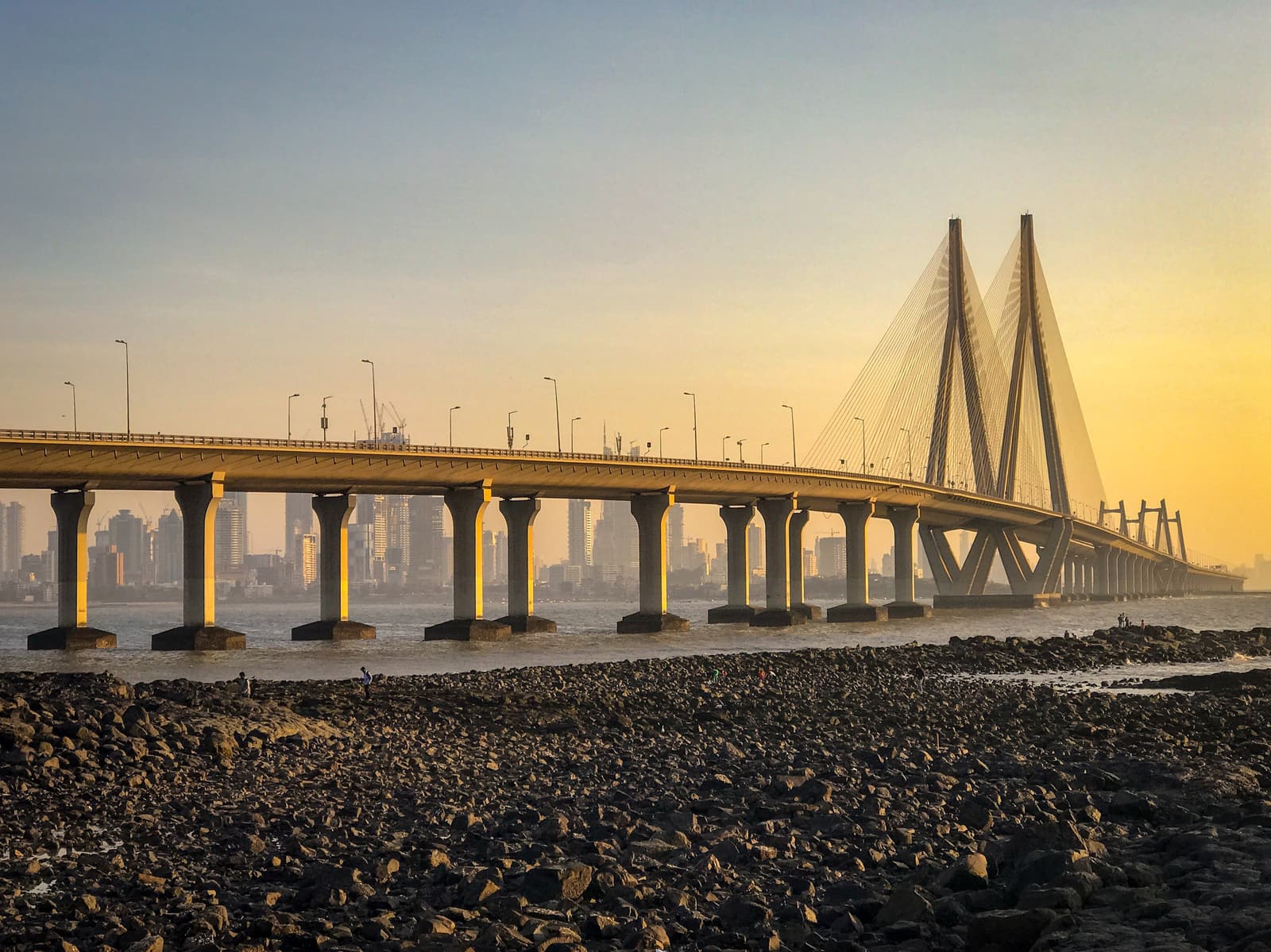
Three big pieces of infrastructure have changed driving times. The Bandra–Worli Sea Link (2009) crosses Mahim Bay. The Coastal Road, opened in stages from 2024, runs partly in tunnel from the Marine Drive end to Worli, where it connects to the Sea Link; further extensions north are planned or under construction. The Atal Setu (Mumbai Trans Harbour Link, opened in 2024), about 22 km long, crosses the harbour from Sewri to the mainland and speeds up journeys towards Navi Mumbai, Alibaug, Lonavala and Pune. All three are tolled, and two- and three-wheelers and pedestrians are not allowed on them. Access rules and tolls change — your driver will know.
Ferries
Launches to Elephanta and passenger ferries to Mandwa (for Alibaug) leave from the Gateway of India; a car ferry to Mandwa runs from Ferry Wharf (Bhaucha Dhakka). Most services are suspended or much reduced during the monsoon, roughly June to September.
Monsoon travel
On a few days each monsoon, very heavy rain floods low-lying roads and tracks and the trains slow or stop. Keep plans flexible between June and September, watch the weather warnings, and do not set out for the airport at the last minute.