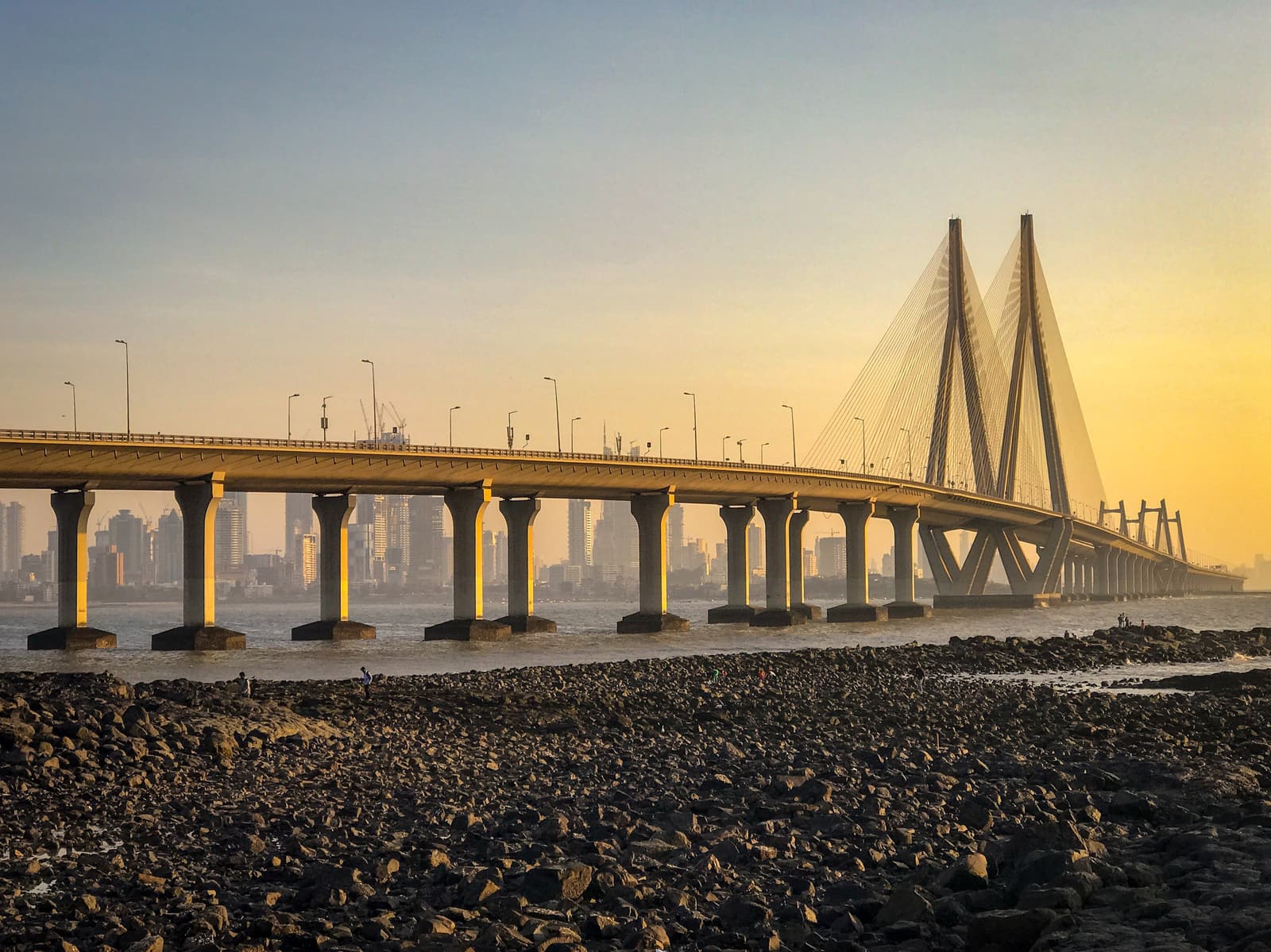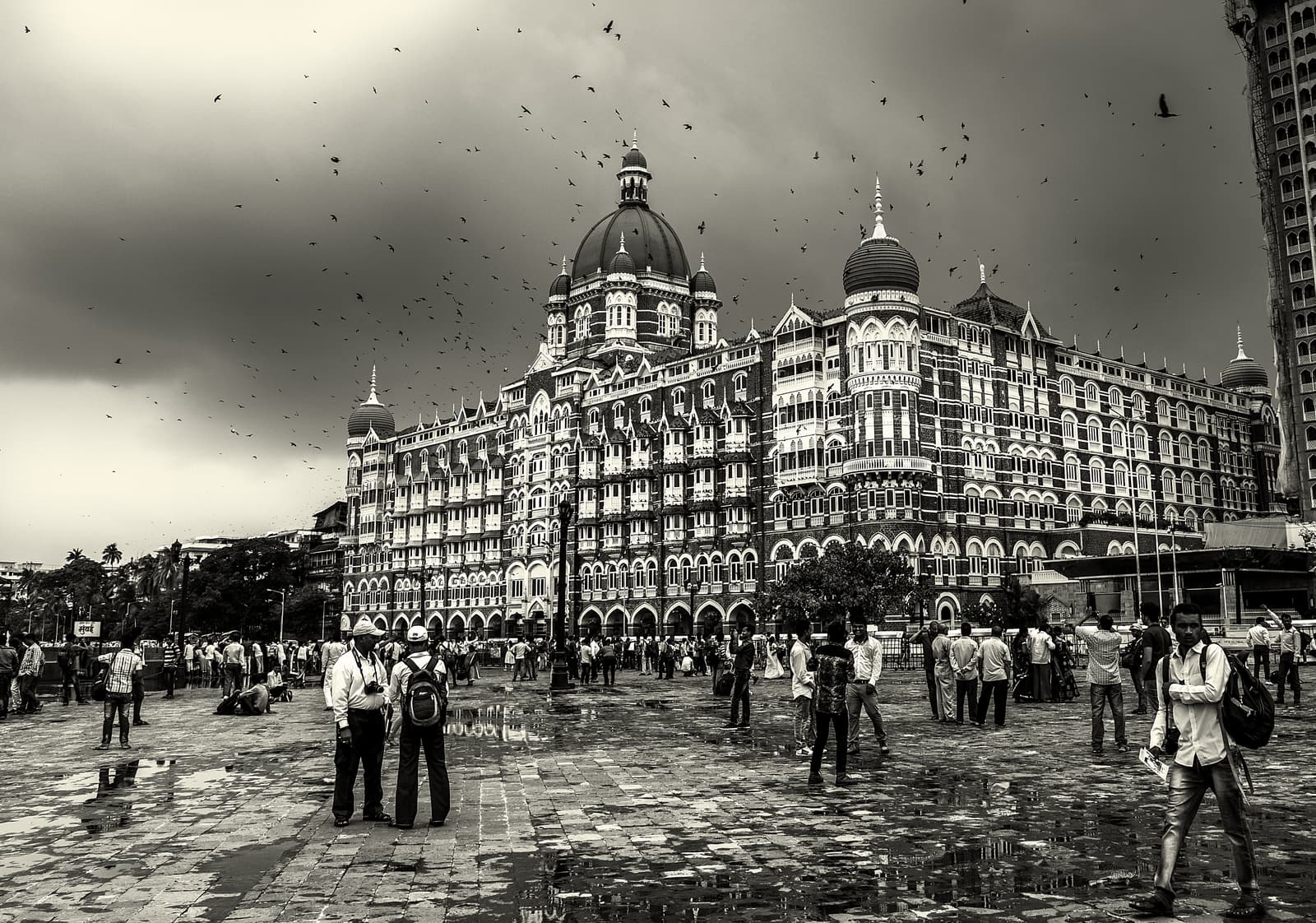
Mumbai has a tropical climate with three seasons. From November to February it is dry, sunny and as cool as the city ever gets — the best time for sightseeing. From March to May heat and humidity build. From June to September the south-west monsoon delivers almost all of the year’s rain, much of it in July and August.
Temperatures change far less than the humidity and rainfall do: daytime highs sit around 30–34°C for most of the year.
Month by month
| Month | Weather | Crowds | Highlights |
|---|---|---|---|
| January | Dry, sunny; coolest month, pleasant evenings | High | Best sightseeing weather; Mumbai Marathon; Kala Ghoda festival (late Jan–Feb) |
| February | Dry and warm | High | Kala Ghoda Arts Festival; clear days for Elephanta |
| March | Hotter, humidity rising | Moderate | Holi; good hotel rates begin |
| April | Hot and humid | Lower | Alphonso mango season starts |
| May | Hottest and stickiest month | Low (school holidays for locals) | Mangoes; early starts and air-conditioned afternoons |
| June | Monsoon arrives, usually in the first half | Low | First rains; waves on Marine Drive |
| July | Wettest month; frequent heavy downpours | Low | Green hills at Lonavala; lowest hotel prices |
| August | Heavy rain with breaks | Low, except at festivals | Dahi Handi; Ganesh Chaturthi (Aug or Sep) |
| September | Rain easing, humid | Moderate | Ganesh immersion processions; Mount Mary Fair |
| October | Hot and humid after the rains | Moderate | Navratri; Diwali (Oct or Nov) |
| November | Drying out, warm days | High | Diwali lights; start of the best season |
| December | Dry, sunny, comfortable | Very high at Christmas–New Year | Christmas in Bandra; peak prices |
Cool season (November to February): the best time
Clear skies, lower humidity and comfortable mornings and evenings make this the season for walking tours, the Elephanta ferry and day trips. It is also high season: hotel prices peak around Christmas and New Year, and popular tours should be booked ahead. Bring a light layer for air-conditioned restaurants rather than for the weather.
Hot season (March to May)
The air turns heavy and by May the combination of heat and humidity is draining. It is still perfectly possible to visit: sightsee before 10:00 and after 17:00, spend the middle of the day in museums, cafés and malls, and choose a night tour or an air-conditioned car tour. The reward is Alphonso mangoes and lower hotel rates.
Monsoon (June to September)
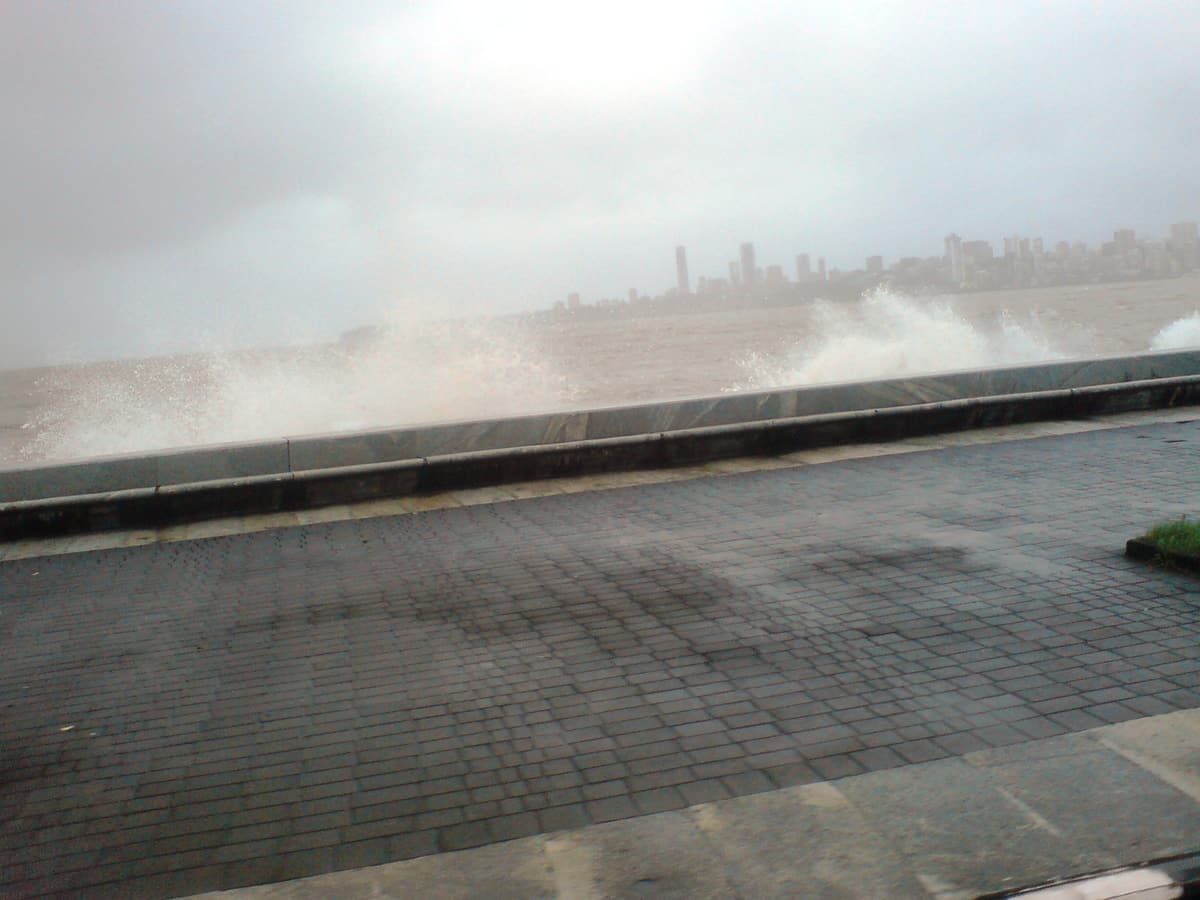
The monsoon usually reaches Mumbai in the first half of June and withdraws by late September or early October. The rain comes in bursts — hours of torrential downpour, then dry spells — and the city carries on under umbrellas. Watching the waves break over the Marine Drive sea wall with a cup of chai and a plate of hot bhajiya is a Mumbai ritual.
On the positive side, hotels are at their cheapest, the Western Ghats around Lonavala are brilliantly green and the forest in Sanjay Gandhi National Park is at its best.
October: the second summer
Once the rain stops, heat and humidity return for a few weeks before the cool season sets in. It is a shoulder month with good prices and, in most years, the Navratri and Diwali festivities.
Festivals worth planning around
- Ganesh Chaturthi (August or September): ten days of decorated pavilions and processions, ending with the immersion of the idols at Girgaon Chowpatty, Juhu and other beaches. Expect road closures and enormous crowds on immersion days.
- Ramadan (dates move earlier each year): night-long food markets around Mohammed Ali Road, ending with Eid.
- Navratri (September or October): nine nights of garba and dandiya dancing across the city.
- Diwali (October or November): lamps, lights and fireworks, with Marine Drive at its most festive.
- Janmashtami / Dahi Handi (August): teams form human pyramids to break pots of curd hung high above the street.
- Mount Mary Fair (September): a week-long fair around the basilica in Bandra.
- Kala Ghoda Arts Festival (usually late January or February): free art, music, dance and street installations in Kala Ghoda.
- Holi (March): the festival of colours, celebrated in neighbourhoods and at organised events.
Most of these follow lunar calendars, so the dates change every year — check before you book.