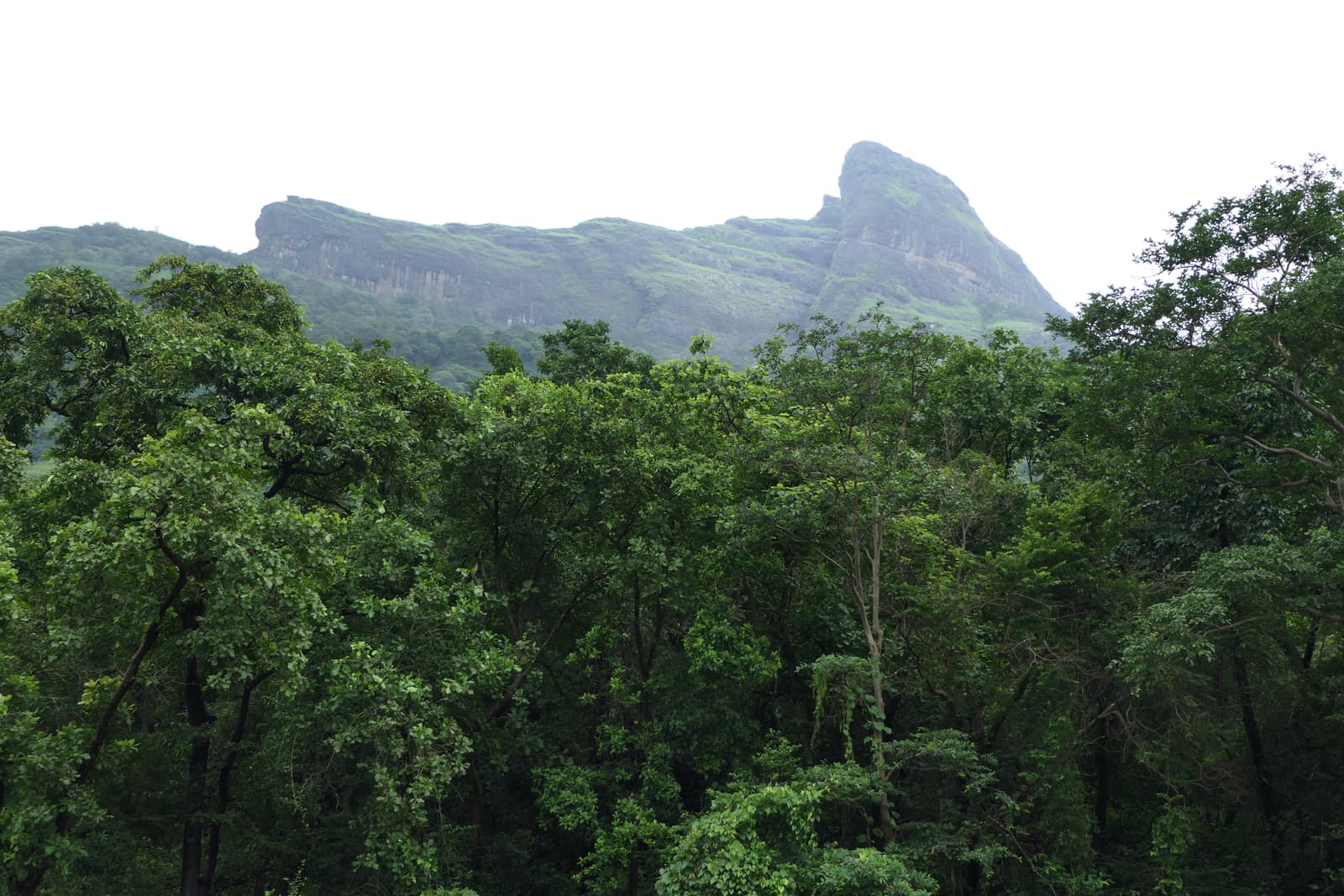
When Mumbai needs to breathe it drives up the ghat to Lonavala and Khandala, twin hill stations at about 600 metres on the edge of the Deccan plateau, roughly 80–95 km from the city. The appeal is simple: cooler air, cliff-edge viewpoints, waterfalls in the rains, and chikki, the local nut brittle.
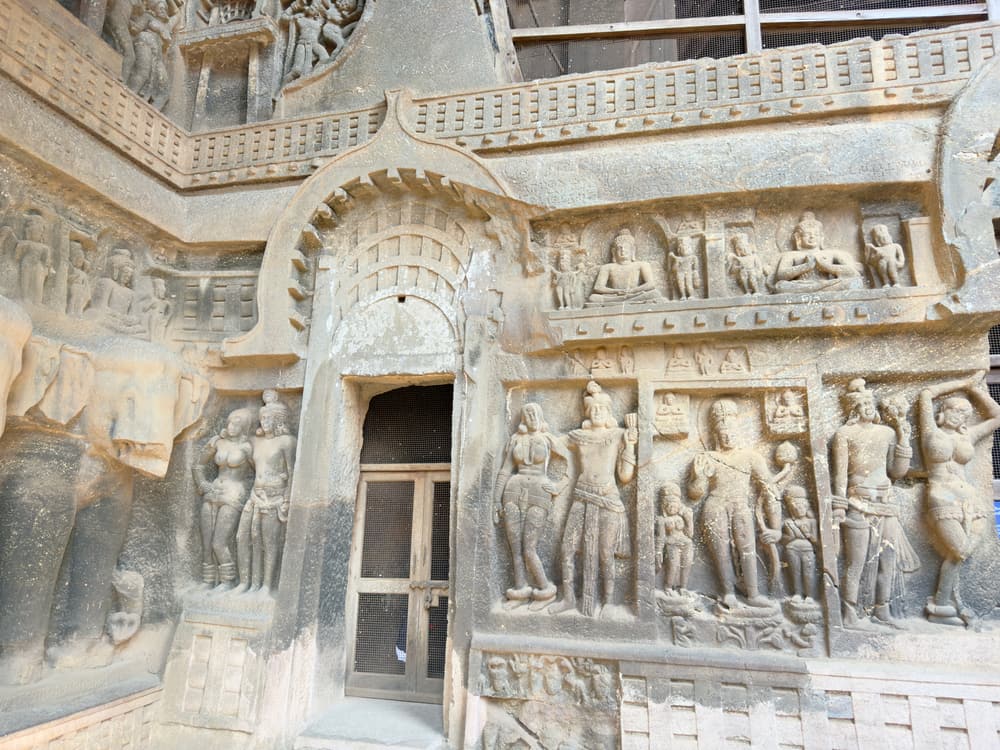
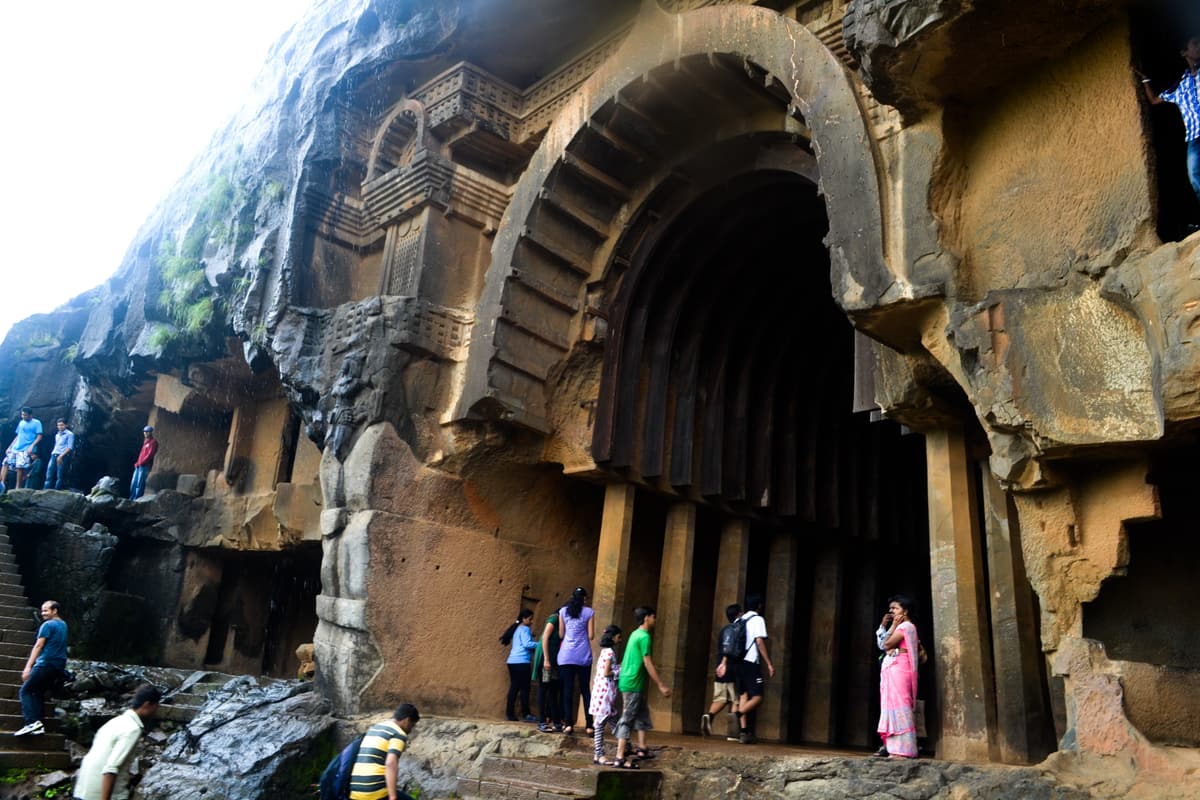
What lifts the area above an ordinary hill station are the caves. Karla has the largest and best-preserved early Buddhist chaitya hall in India, cut around the 1st–2nd centuries AD; Bhaja, across the valley, is older still, from about the 2nd century BC.
What to see and do: Lonavala, Karla & Bhaja Caves
Climb to the Karla chaitya
A stepped path of roughly 350 steps leads to a hall about 45 metres long, with rows of carved pillars topped by elephants and riders, a stupa and — remarkably — original teak ribs in the vault. The popular Ekvira Devi temple shares the forecourt, so weekends are crowded.
See Bhaja’s stupas and reliefs
A shorter climb reaches a group of 22 caves with a fine horseshoe-arched facade, a cluster of rock-cut stupas and some of the earliest narrative carvings in the Deccan.
Do the viewpoints
Tiger Point (Tiger’s Leap), Lion’s Point and Rajmachi Point look over deep valleys; Duke’s Nose is Khandala’s landmark cliff. In the monsoon Bhushi Dam overflows its steps and half of Mumbai comes to sit in the water.
Walk up Lohagad
The “iron fort” near Bhaja is an easy, popular hill-fort walk with four gateways and long views, at its best from June to September.
How to get there
- By road: two to two and a half hours via the Mumbai–Pune Expressway, longer on Saturday mornings and Sunday evenings.
- By train: many Mumbai–Pune trains stop at Lonavala, around two and a half hours from CSMT or Dadar. Karla and Bhaja are about 10–12 km from Lonavala; hire a taxi or autorickshaw for the round trip (Malavli station is close to Bhaja).
- On a tour: a Karla and Bhaja day tour or Lonavala day trip from Mumbai handles the driving.
Insider tips
- The monsoon is the most beautiful and the most crowded season; authorities sometimes restrict access to waterfalls and dams at weekends for safety.
- Go on a weekday if you possibly can.
- The cave steps are steep and slippery when wet — wear shoes with grip.
- Cave entry tickets are sold by the Archaeological Survey of India; check current prices.
Tours that include this stop
These guided experiences cover this place or combine easily with a visit:
Day trip from US$67 Mumbai: Karla and Bhaja Caves Full-Day Tour
A full day to two of the finest early Buddhist cave sites in India, near Lonavala. The listing dates the caves from the 2nd century BC to the 5th century AD; transport from Mumbai is included.
- Rock-cut Buddhist caves from the 2nd century BC onwards
- The great chaitya hall at Karla
- Transport from Mumbai
 Day trip
Lonavala Hill Station Tour from Mumbai with Lunch
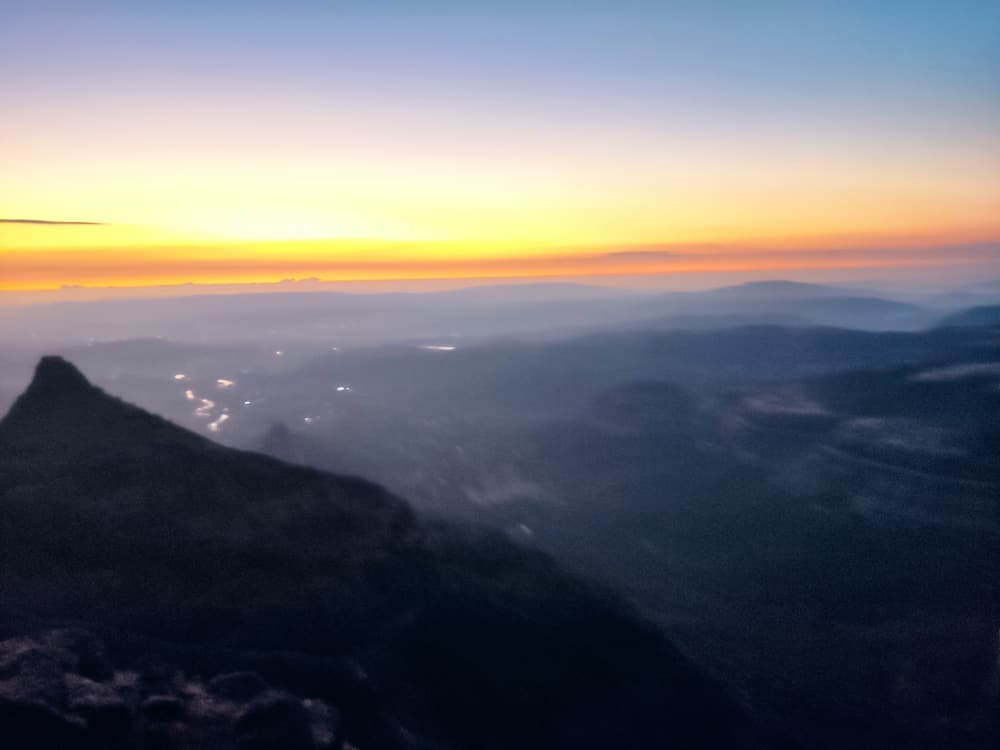
A day out of the city in the hill station of Lonavala in the Western Ghats, with lunch included. At its greenest during and just after the monsoon.
- Western Ghats viewpoints
- Cooler air a few hours from the city
- Lunch included