Skip to content
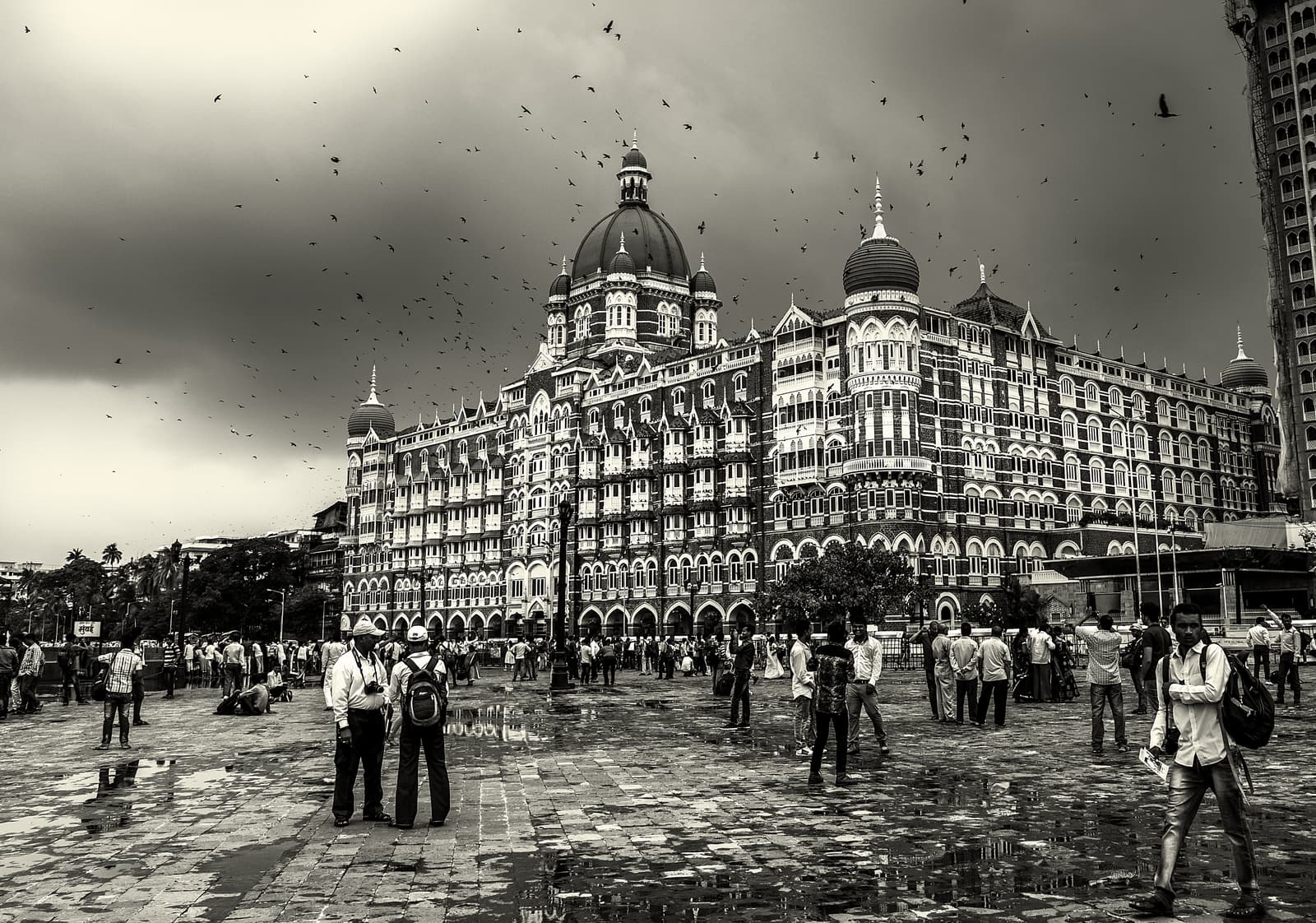
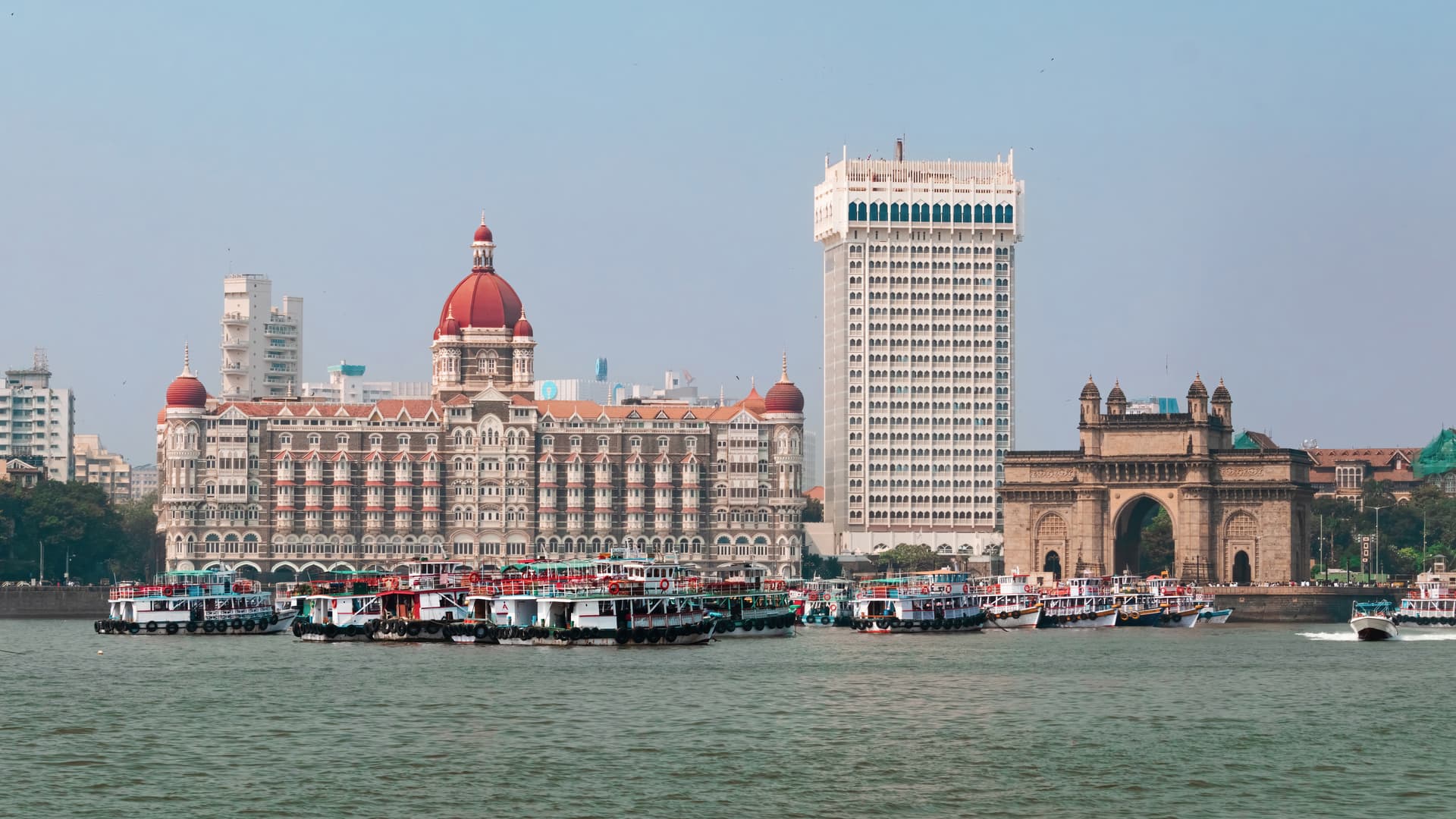
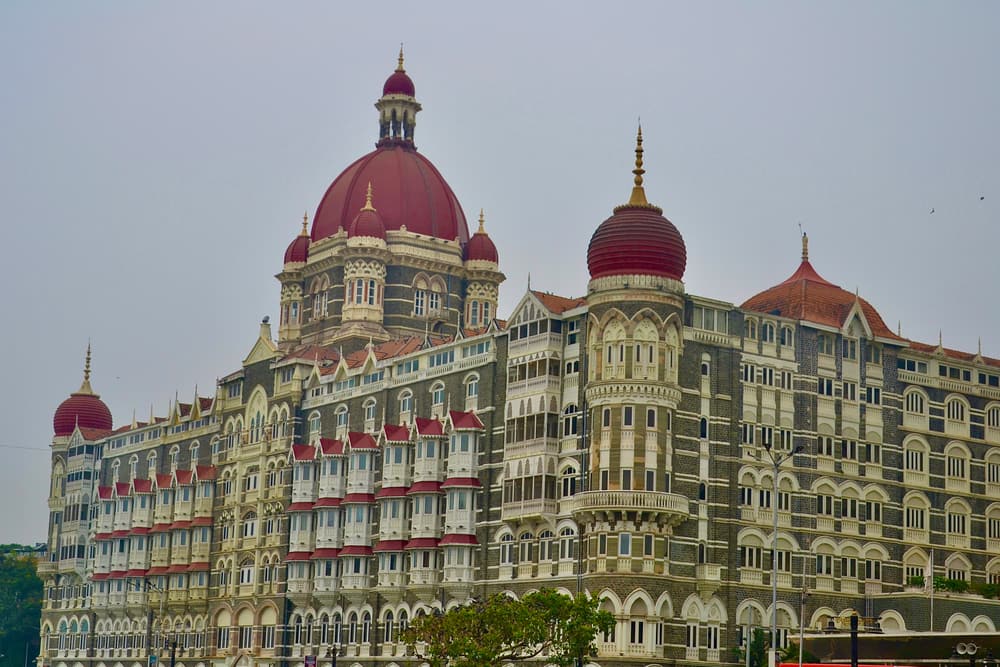
The Taj Mahal Palace hotel and the Gateway of India on the Mumbai waterfront
Your independent Mumbai guide

Mumbai, made simple

A harbour arch, cave temples on an island, a railway station built like a cathedral, the best street food in India and a city that never sits still — everything you need to plan a great trip to Mumbai.

⭐ Top-rated experiences✔ Free cancellation on most tours⚡ Instant confirmation
Why visit Mumbai?

Seven islands, three World Heritage Sites and twenty million stories

Mumbai — Bombay until 1995 — grew from seven marshy islands into India’s largest city, its financial capital and the home of the Hindi film industry. Its monuments are young by Indian standards but spectacular: the Gateway of India, the Gothic fantasy of CSMT, an Art Deco seafront and, out in the harbour, the ancient caves of Elephanta.

But the real attraction is the city’s energy — the local trains, the dabbawalas, the bazaars, a plate of vada pav on a street corner and the whole city sitting on the sea wall at sunset. This guide shows you how to see it well in two, three or four days, and how to make the heat, the traffic and the scale work for you.

3UNESCO World Heritage Sites
≈3.6 kmof Marine Drive seafront
Nov–Febbest weather
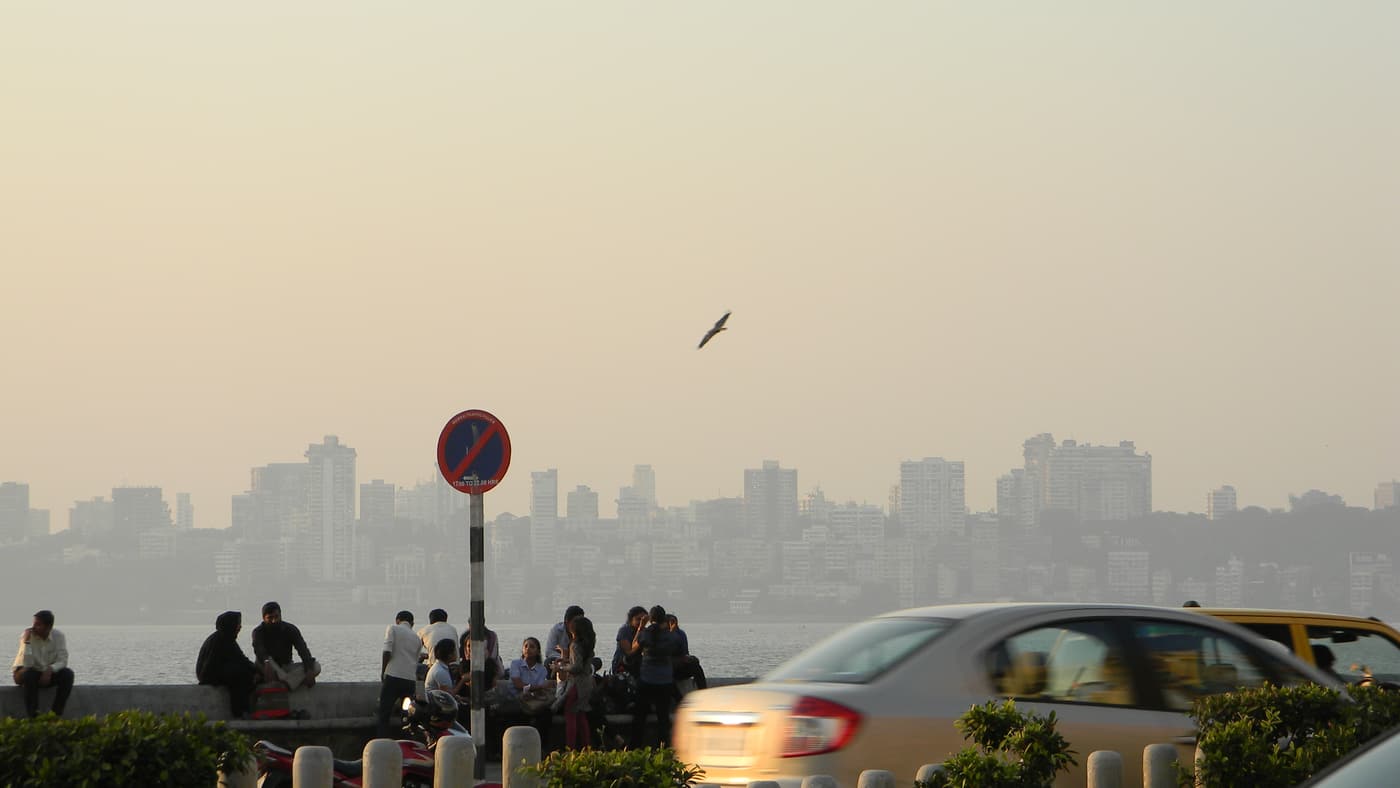
People sitting along the Marine Drive sea wall in the evening
Traveller favourites

The best Mumbai tours & experiences

City sightseeing, Elephanta Caves, Dharavi and Dhobi Ghat, street food, Bollywood and more — all bookable through GetYourGuide. Tap any tour for live prices.

The red-domed Taj Mahal Palace hotel on the Colaba waterfront, Mumbai Guided city tour by car from US$21
🕒 4–10 hours 📍 From Mumbai (hotel pickup)

Mumbai: Full-Day Sightseeing Tour of Mumbai

The most-reviewed Mumbai tour on GetYourGuide and the easiest way to cover a spread-out city in one day. You travel by air-conditioned car between the big South Mumbai sights, with a driver-guide or a separate guide depending on the option you pick, and choose a shorter or longer version to suit your day.

  • Gateway of India, CSMT and Marine Drive
  • Dhobi Ghat, Mani Bhavan and Malabar Hill
  • Air-conditioned car with a driver-guide or a dedicated guide
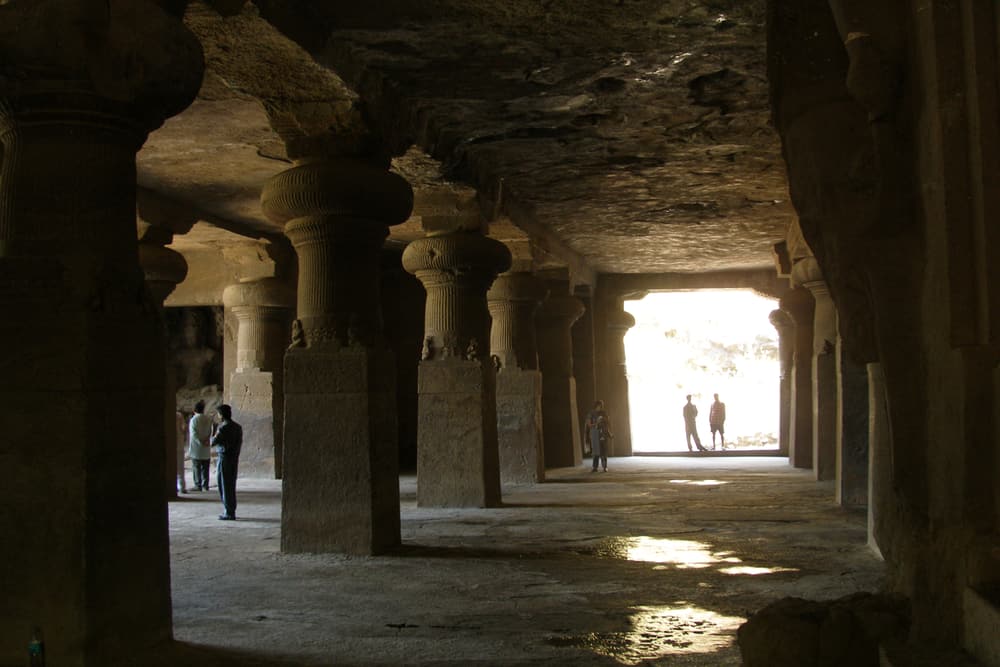
Carved stone columns inside the main cave at Elephanta Guided half-day tour from US$19
🕒 1.5–6 hours 📍 From Gateway of India

Mumbai: Elephanta Caves Half-Day Guided Tour

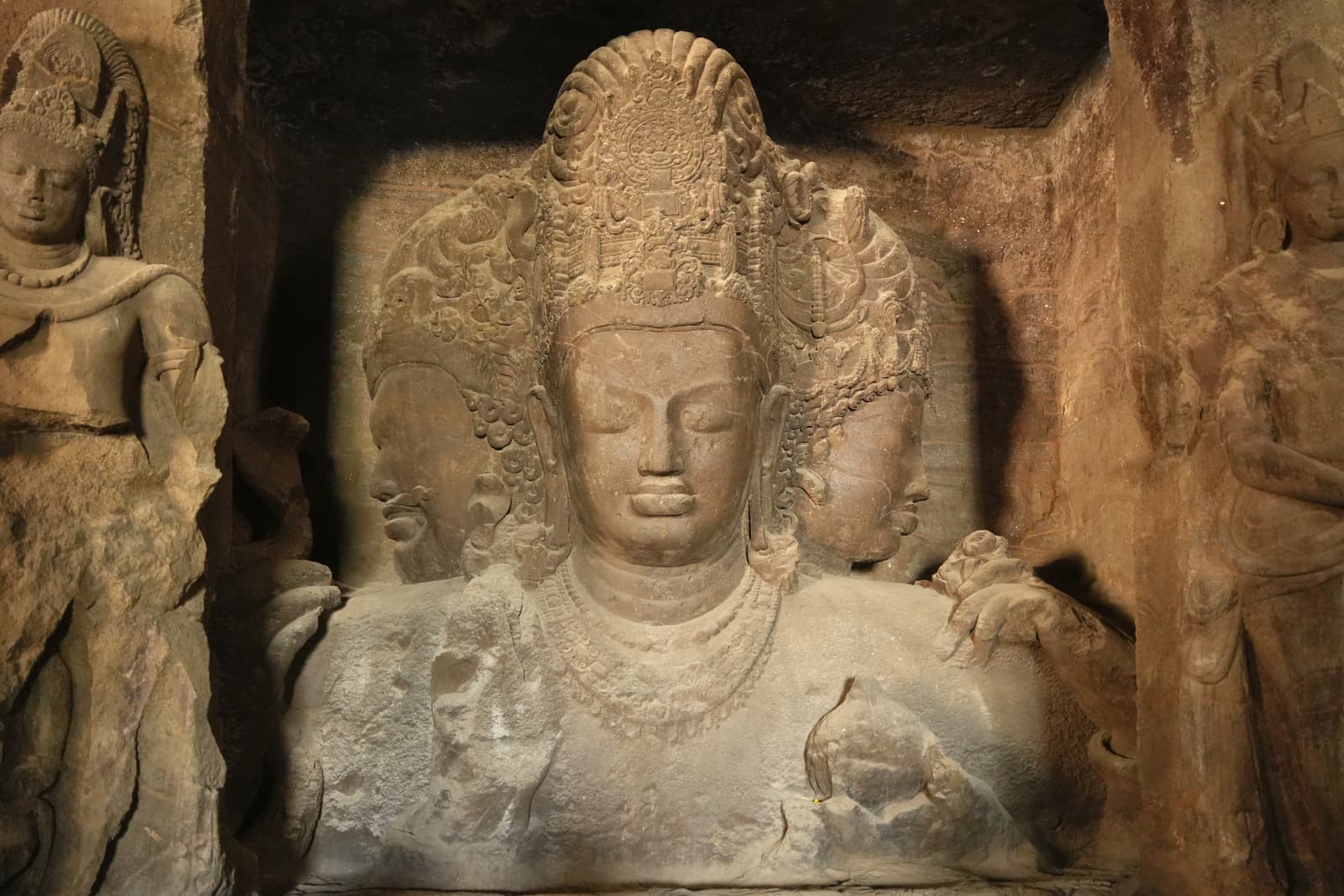
Elephanta’s sculptures are magnificent but almost unlabelled, so a guide makes a real difference. This best-selling tour explains the great cave panel by panel — the Trimurti, Shiva as Nataraja, the marriage of Shiva and Parvati — and sorts out the ferry from the Gateway of India. The caves are closed on Mondays.

  • UNESCO-listed rock-cut Shiva temple
  • The six-metre, three-faced Sadashiva (Trimurti)
  • A guide who explains each sculpted panel
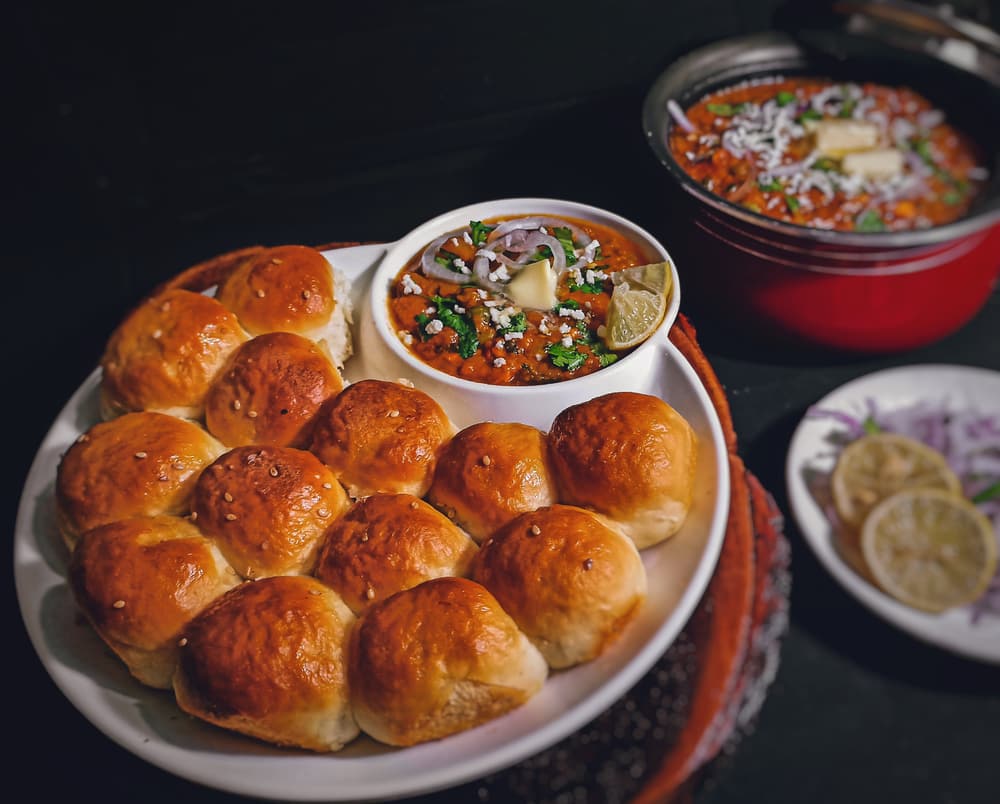
A plate of pav bhaji with buttered bread rolls, chopped onion and lime Evening food walk from US$15
🕒 3.5 hours 📍 From South Mumbai

Mumbai: Street Food and Night Markets Tour

An evening walk through Mumbai’s night markets with stops at the food stalls locals queue at. You taste a run of vegetarian and non-vegetarian snacks along the way, and the guide does the choosing — the surest way to eat Mumbai street food without guessing which stall to trust.

  • Vegetarian and non-vegetarian snacks at well-known stalls
  • Night markets and bazaars lit up after dark
  • Stalls chosen by a local guide
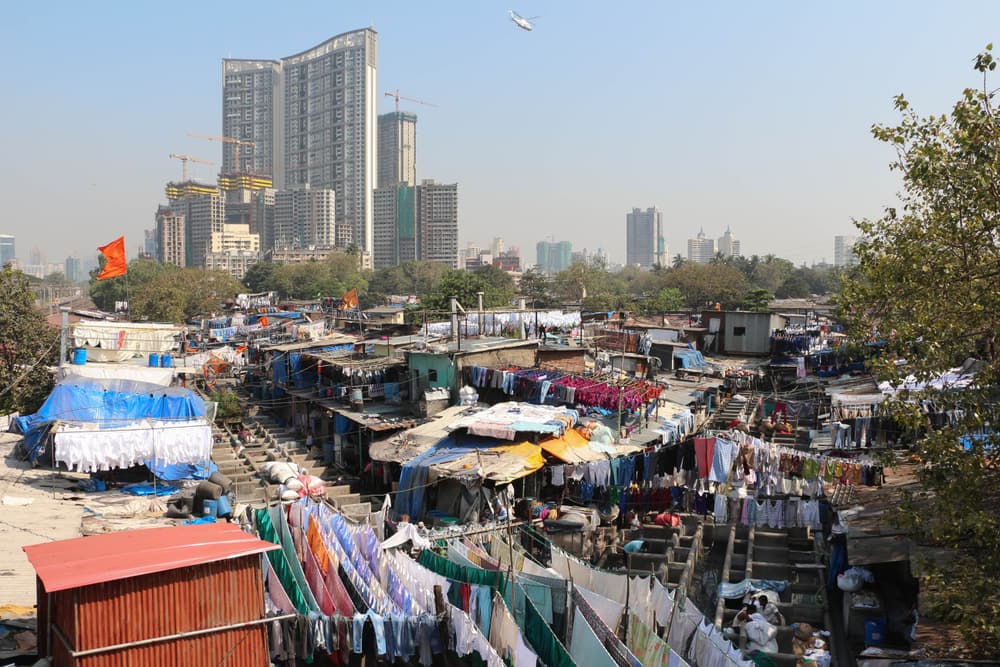
Rows of concrete wash pens and drying laundry at Dhobi Ghat, Mumbai Guided walking tour from US$14
🕒 3–4.5 hours 📍 From Mumbai

Mumbai: Dharavi, Dhobi Ghat and Dabbawalas Tour

Three sides of working Mumbai in one morning: the recycling, pottery and leather workshops of Dharavi, the vast open-air laundry at Dhobi Ghat, and the dabbawalas who deliver home-cooked lunches across the city. It is the tour that explains how Mumbai actually runs.

  • A guided walk through Dharavi’s workshops and lanes
  • The open-air laundry at Dhobi Ghat
  • The dabbawalas sorting and delivering lunchboxes
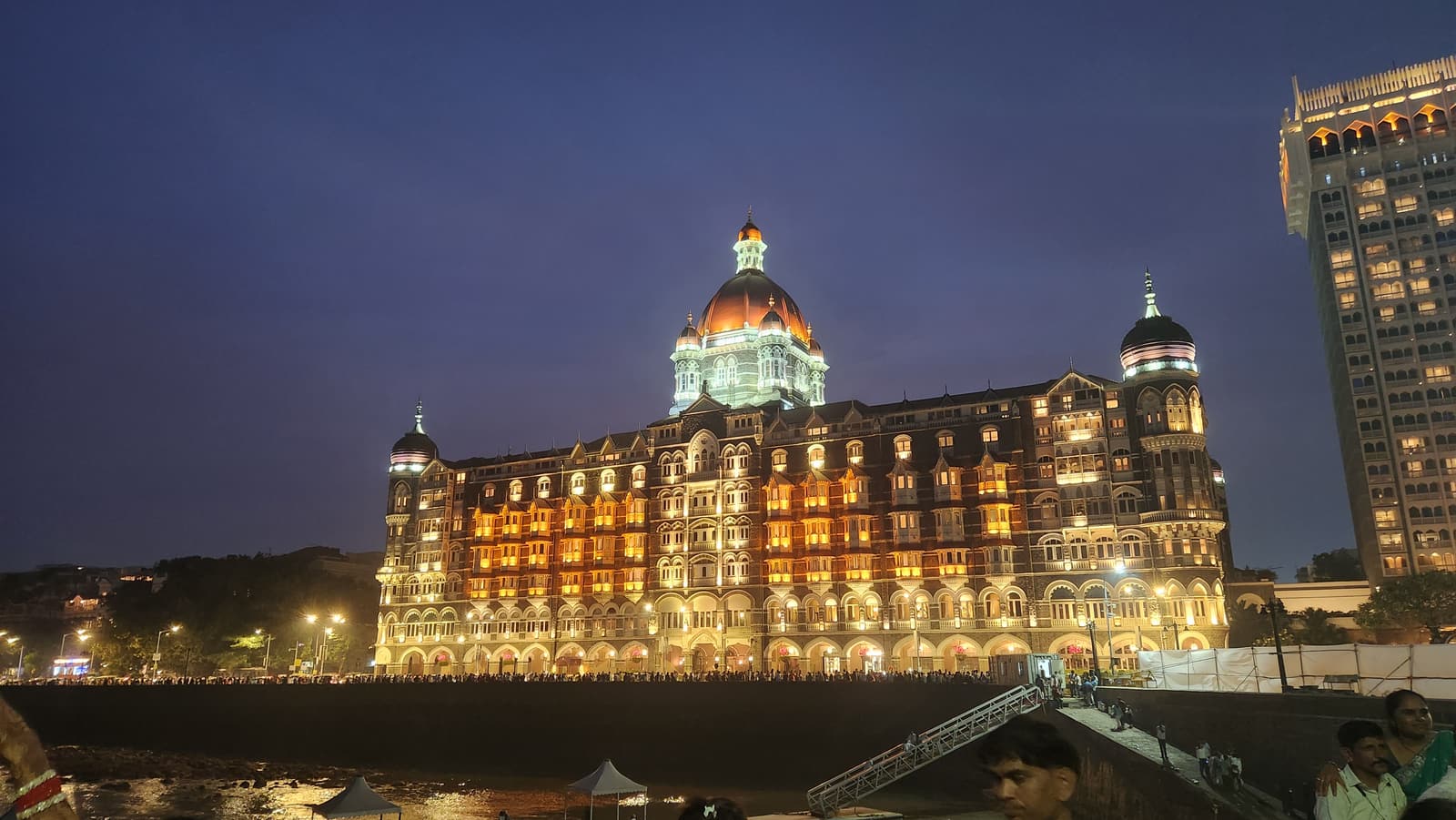
The Taj Mahal Palace hotel floodlit at night Private evening tour from US$15
🕒 2–3.5 hours 📍 From Mumbai (hotel pickup)

Mumbai by Night: Private Iconic Sights Tour in Lights

Mumbai is cooler, calmer and arguably better looking after dark. This private tour with an English-speaking local guide takes in the floodlit Taj Mahal Palace, Flora Fountain, the city’s own “Big Ben” — the Rajabai Clock Tower — and a viewpoint over the lights of the bay.

  • The Taj Mahal Palace and Gateway of India lit up
  • Flora Fountain and the floodlit Gothic buildings
  • Marine Drive — the “Queen’s Necklace” — after dark
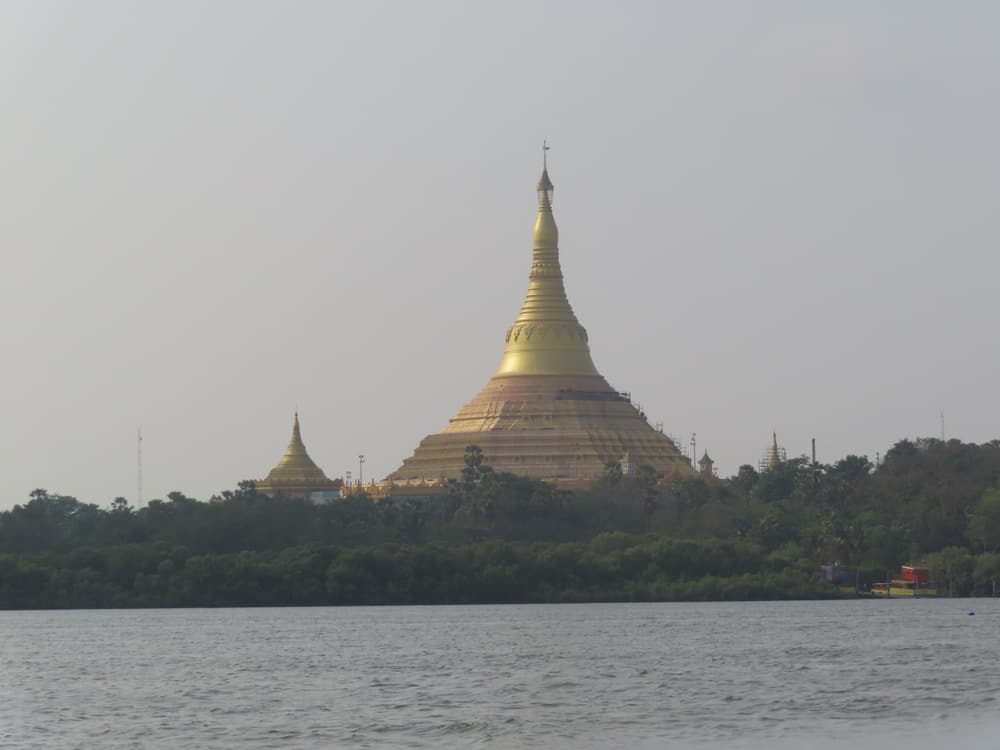
The golden dome and spire of the Global Vipassana Pagoda near Gorai, Mumbai Guided tour by car from US$35
🕒 3.5–7 hours 📍 From Mumbai (hotel transfers)

Mumbai: Kanheri Caves and the Golden Pagoda Temple

Two Buddhist sites, two thousand years apart: the rock-cut monastery of Kanheri in the forest of Sanjay Gandhi National Park, and the gilded Global Vipassana Pagoda on the coast at Gorai. With hotel transfers, it removes the awkward logistics of reaching the far north of the city.

  • Ancient Buddhist rock-cut caves inside a forested national park
  • The golden Global Vipassana Pagoda
  • Hotel transfers included
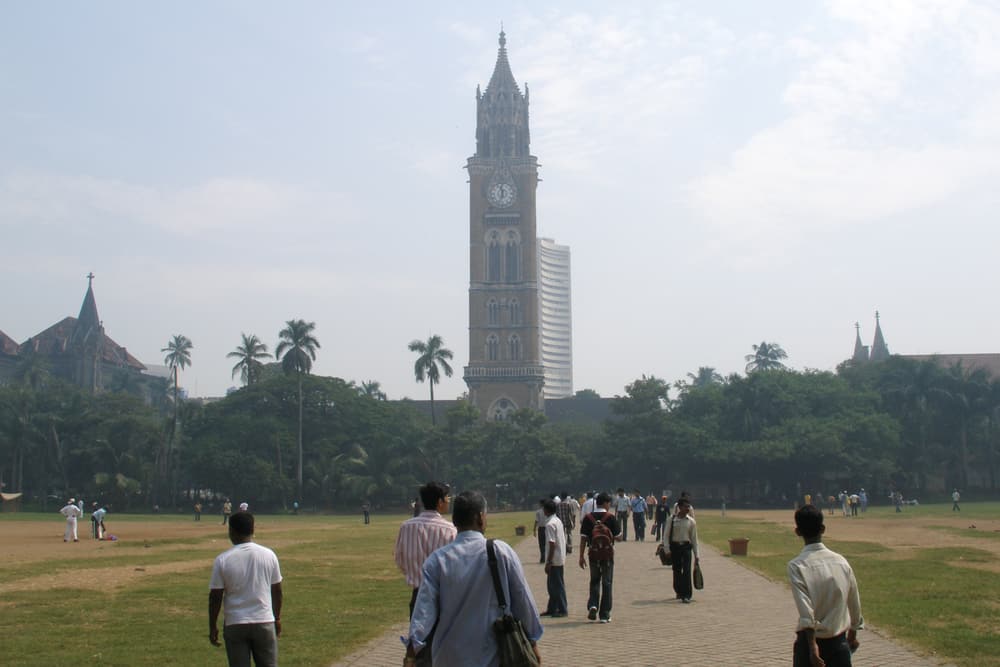
The Rajabai Clock Tower rising above the Oval Maidan Guided walking tour from US$12
🕒 2.5 hours 📍 From Fort, South Mumbai

Victorian Gothic Heritage Quarter and Art Deco Walking Tour

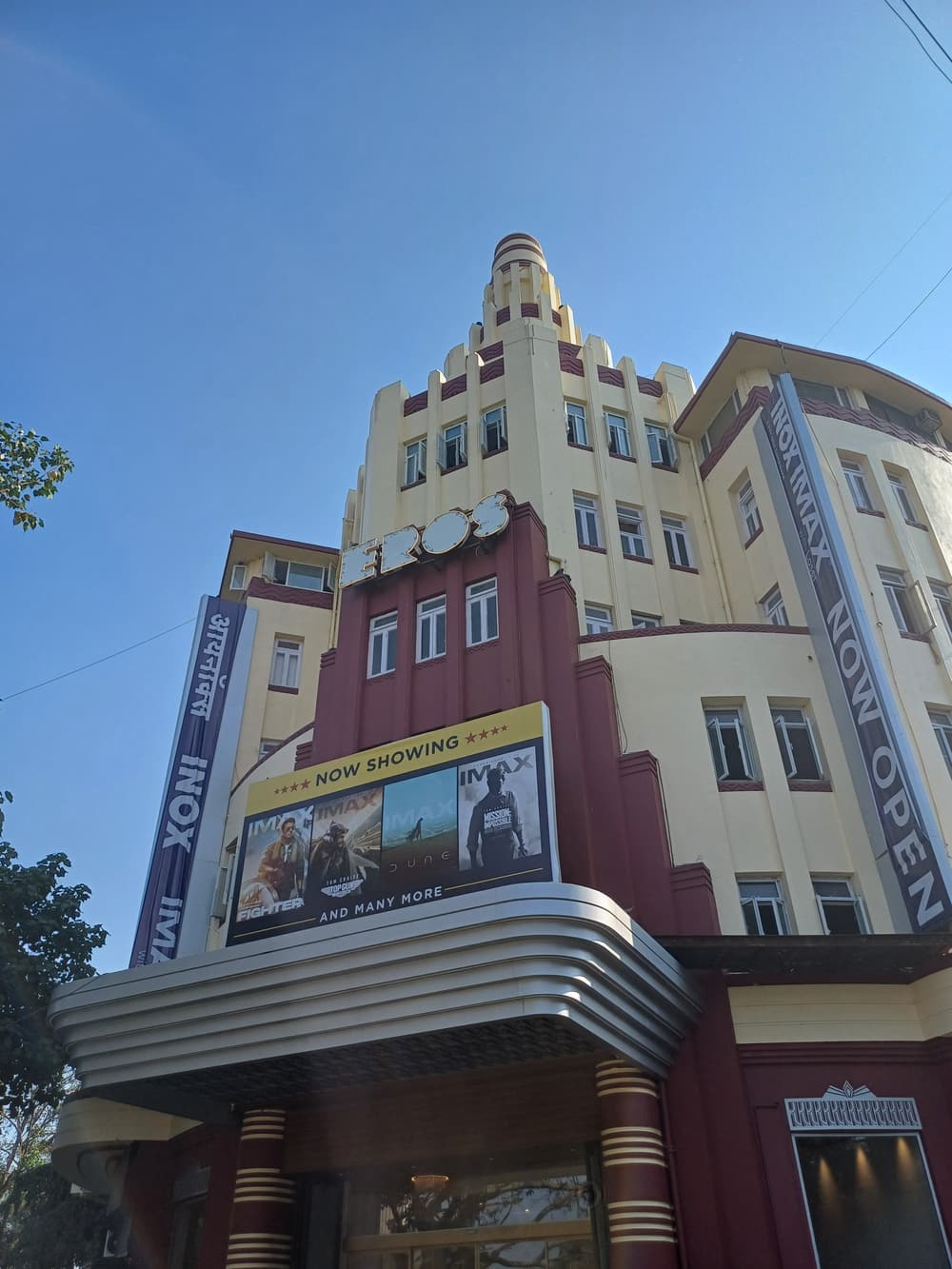
A guided walk through the UNESCO World Heritage ensemble that faces itself across the Oval Maidan: nineteenth-century Gothic on one side, 1930s Art Deco on the other. Excellent value, and the best way to make sense of the Fort district’s architecture.

  • Mumbai’s UNESCO-listed Victorian Gothic buildings
  • Art Deco apartment blocks and cinemas
  • The stories behind the architecture
Live availability

Book Mumbai tours and day trips

Real-time prices and availability, straight from GetYourGuide. Free cancellation on most experiences.

Powered by GetYourGuide
Where to go

Arches, caves, bazaars and the bay

Start in South Mumbai, where most of the famous sights are a short taxi ride apart, then work north to the shrines, markets and suburbs.

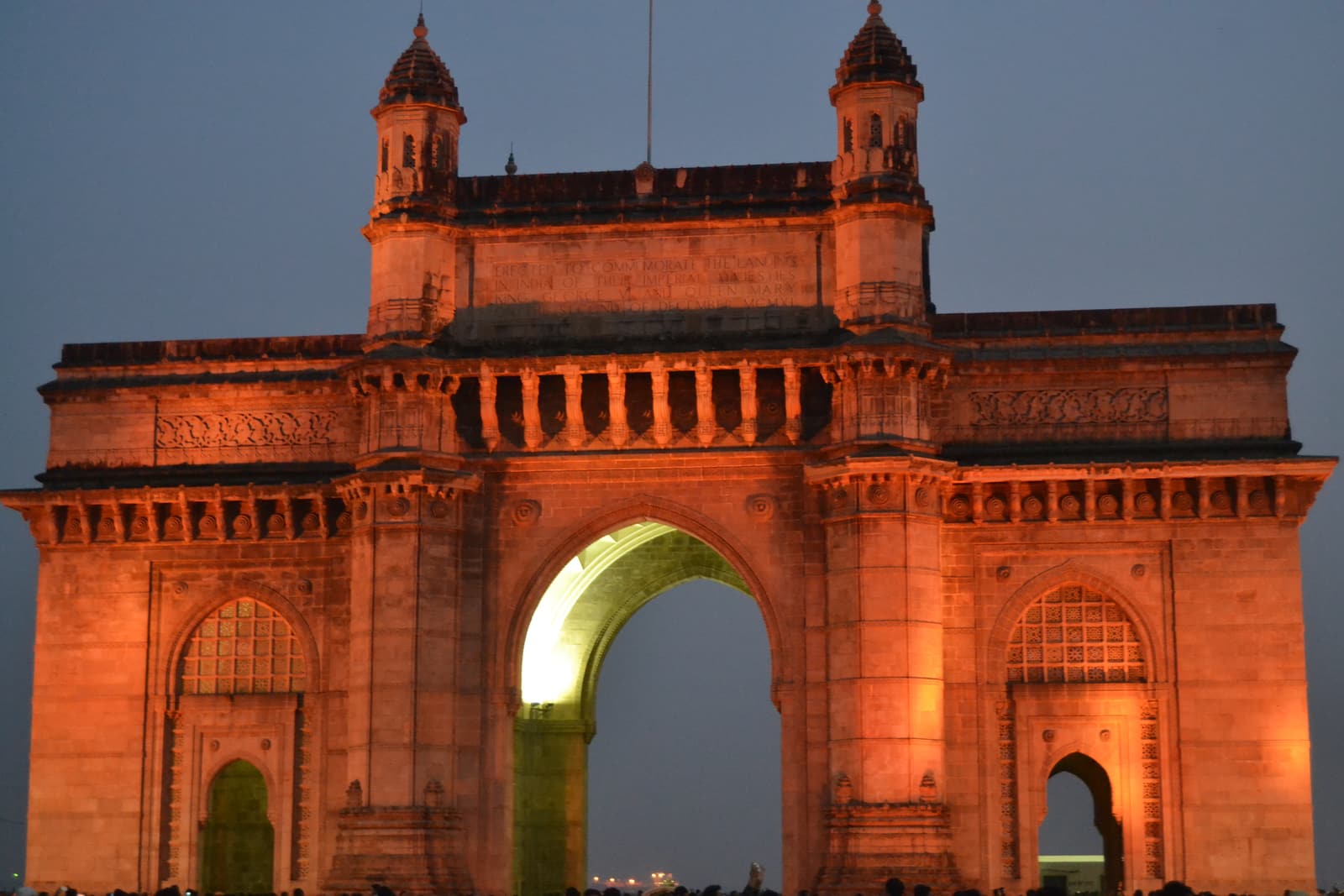
The Gateway of India arch lit by evening light on the Mumbai waterfront South Mumbai icons

Gateway of India & Colaba

Where every Mumbai visit begins

The basalt arch on the harbour is Mumbai’s front door: built to mark a royal landing in 1911, finished in 1924 and now the city’s favourite meeting place. Next to it stand the Taj Mahal Palace hotel, the Elephanta ferries and the stalls and cafés of Colaba Causeway.

The colossal three-faced Sadashiva sculpture in the main cave at Elephanta South Mumbai icons

Elephanta Caves

A rock-cut Shiva temple on an island

An hour by ferry from the Gateway of India, a hillside on Elephanta Island hides one of the masterpieces of Indian sculpture: a cave temple cut from solid basalt around the 5th–6th centuries, with a six-metre, three-faced Shiva at its heart. A UNESCO World Heritage Site, closed on Mondays.

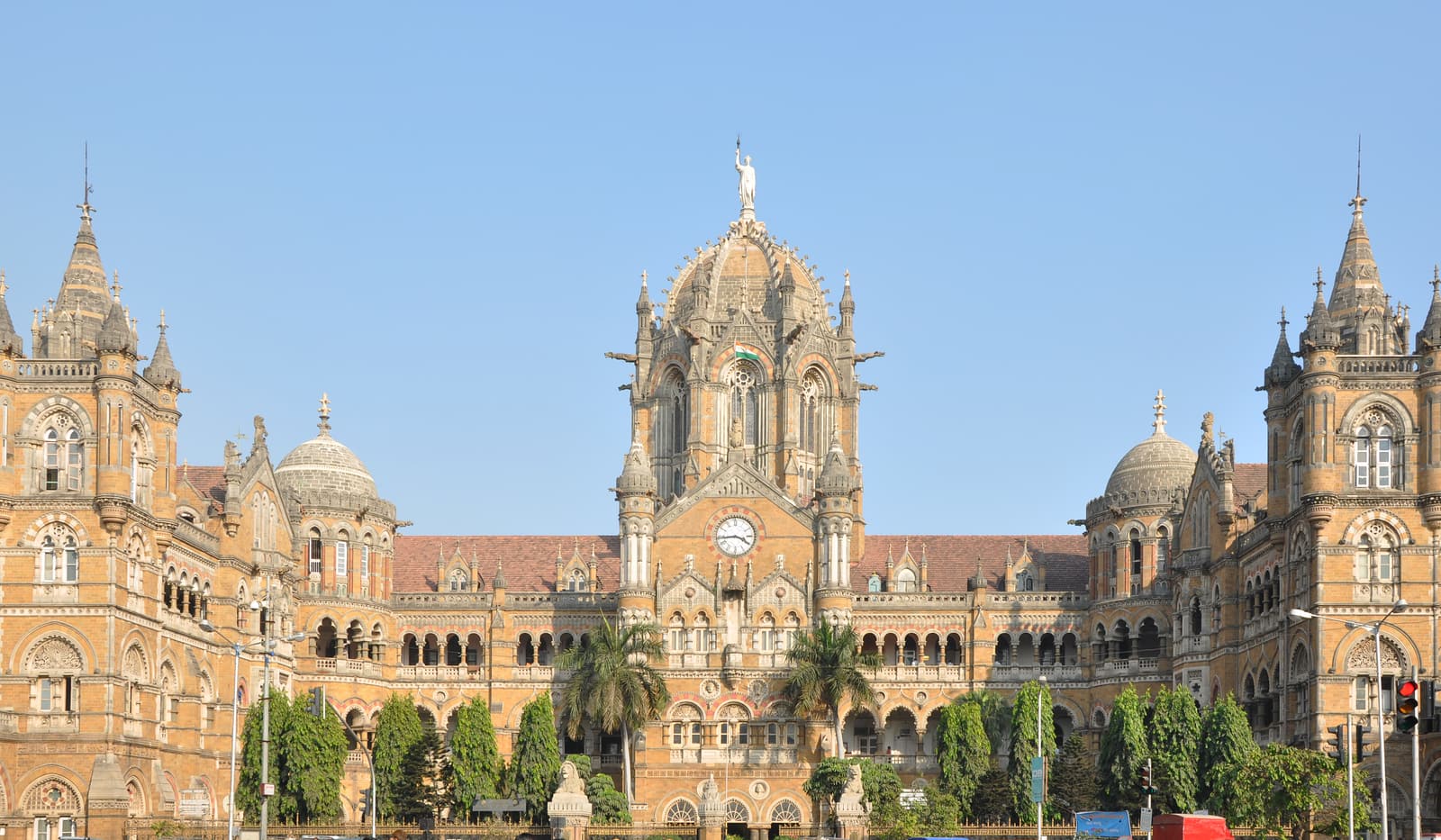
The domed and turreted Gothic facade of Chhatrapati Shivaji Maharaj Terminus South Mumbai icons

CSMT (Victoria Terminus)

The grandest railway station in Asia

Chhatrapati Shivaji Maharaj Terminus is a working station dressed as a cathedral: turrets, gargoyles, stained glass and a great dome, designed by F. W. Stevens and completed in the late 1880s. It is a UNESCO World Heritage Site and still handles millions of commuters.

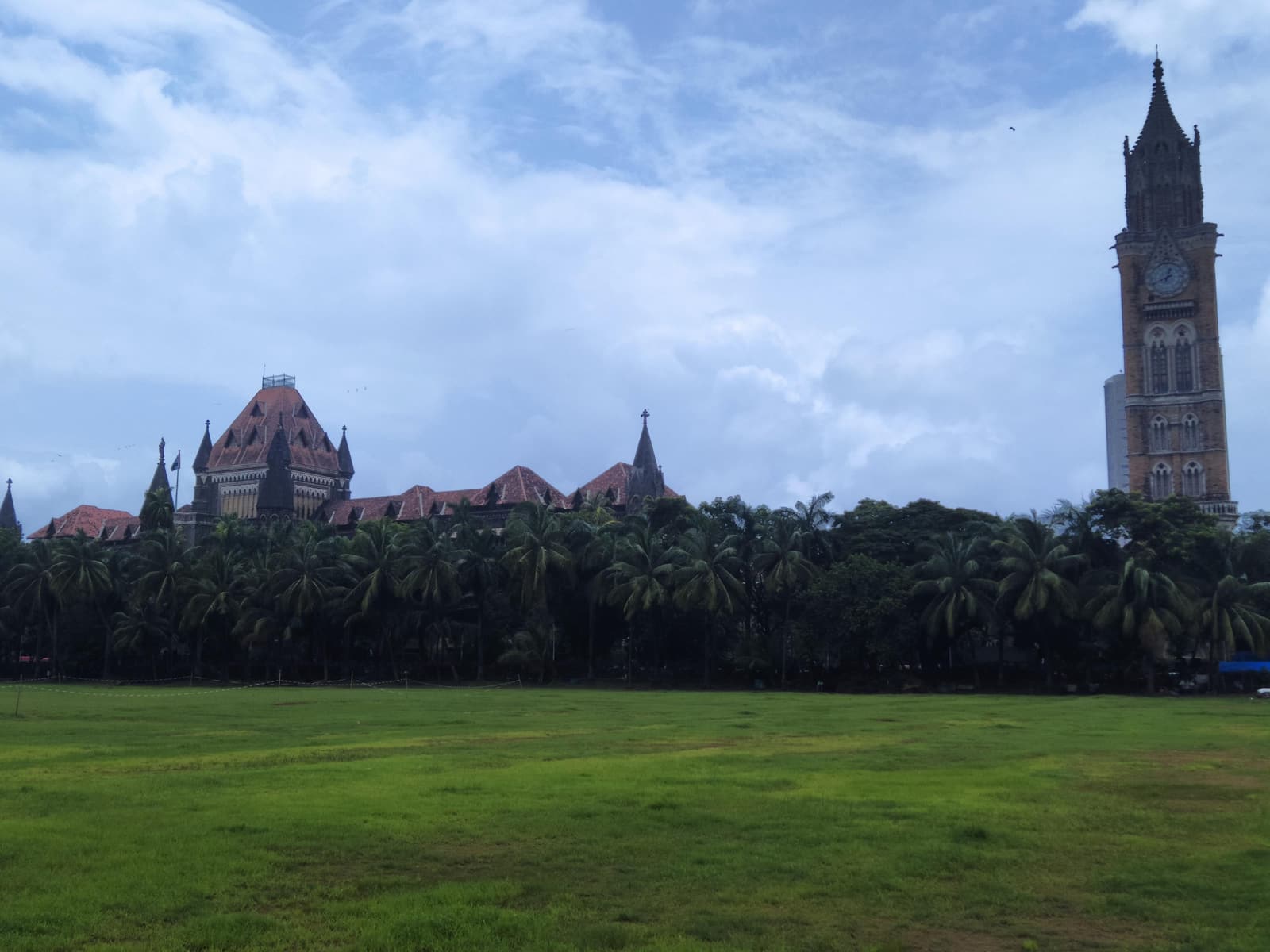
The Bombay High Court and Rajabai Clock Tower seen across the Oval Maidan South Mumbai icons

Fort, Oval Maidan & Kala Ghoda

Victorian Gothic meets Art Deco

Across the cricket pitches of the Oval Maidan, a row of Victorian Gothic public buildings faces a row of 1930s Art Deco apartment blocks — together a UNESCO World Heritage ensemble. Around them lie the Fort business district and Kala Ghoda, the city’s gallery and museum quarter.

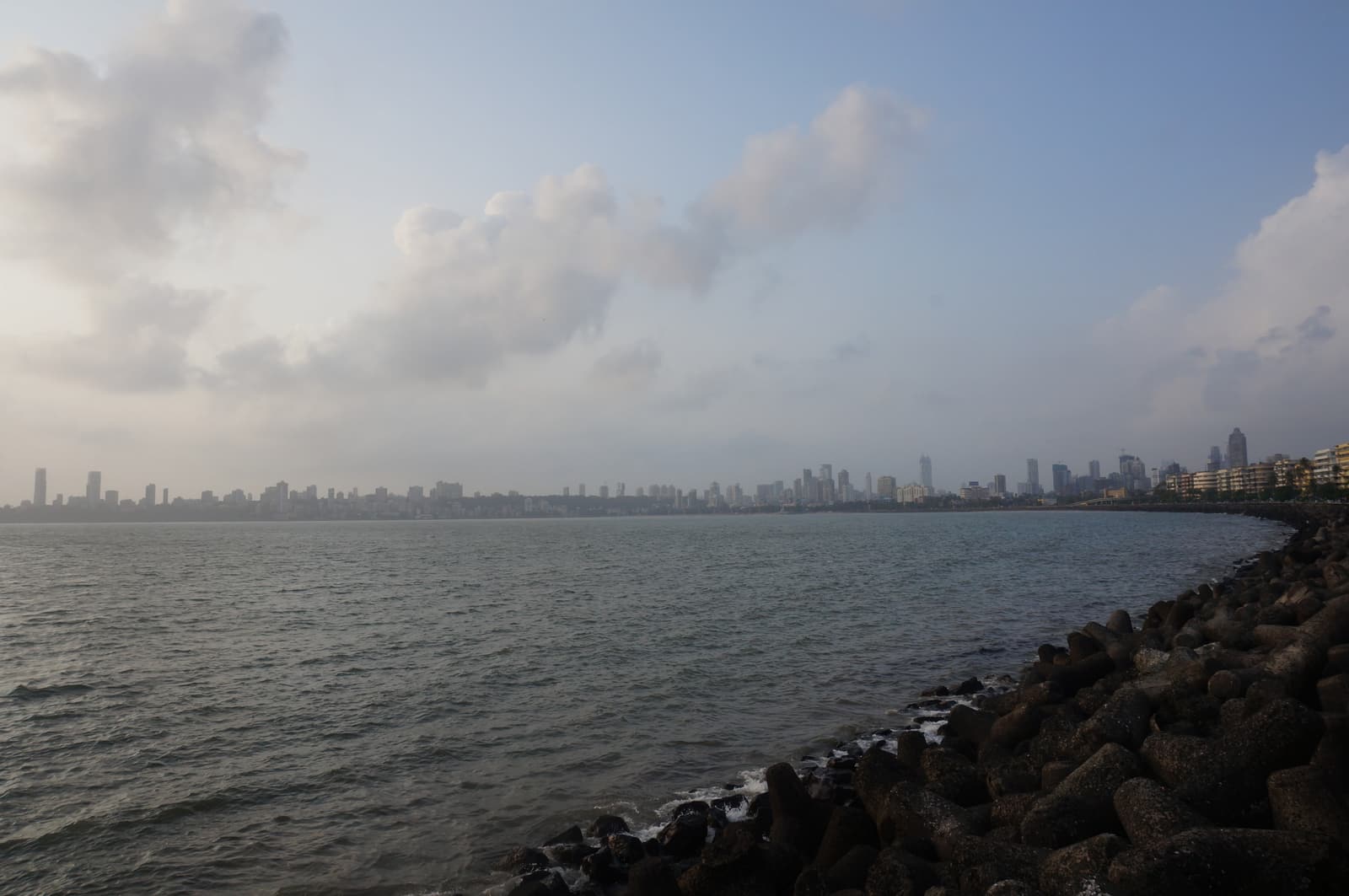
The curve of Marine Drive and the Mumbai skyline around Back Bay South Mumbai icons

Marine Drive & Chowpatty

The Queen’s Necklace

A 3.6-kilometre sweep of promenade around Back Bay, lined with Art Deco apartment blocks and ending at the sand of Girgaon Chowpatty. Mumbai comes here at sunset to walk, sit on the sea wall and eat bhel puri as the streetlights come on.

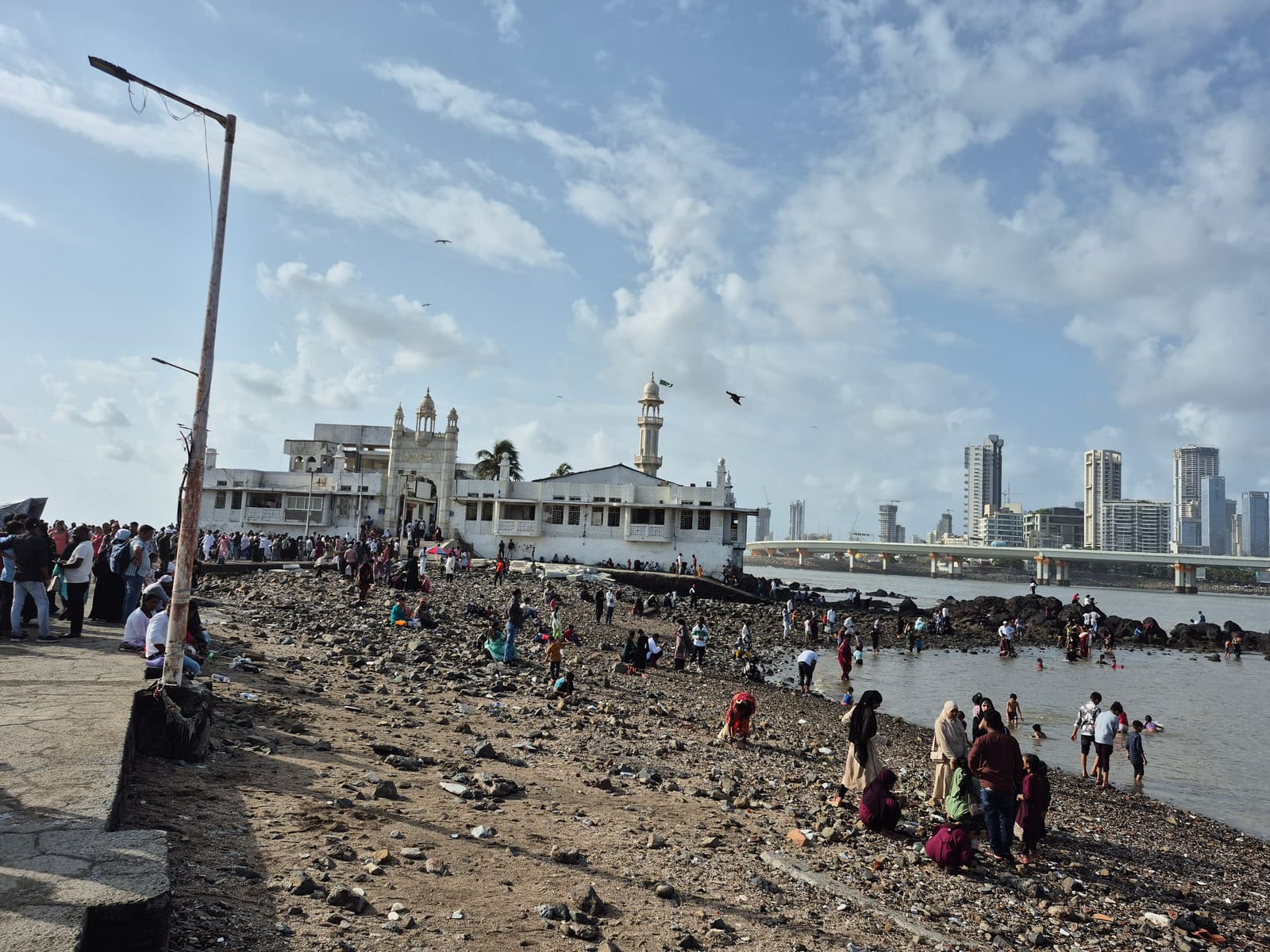
The white Haji Ali Dargah seen across the rocks at low tide Bazaars, shrines & neighbourhoods

Haji Ali, Mahalaxmi & Dhobi Ghat

A shrine in the sea and a laundry for a city

In the middle of the city, three very Mumbai sights sit close together: the white Haji Ali Dargah on its islet, reached by a causeway at low tide; the Mahalaxmi temple on the shore; and Dhobi Ghat, the huge open-air laundry beside Mahalaxmi station. Siddhivinayak temple is a short taxi ride north.

Where to stay

Choose your corner of the city

Colaba and Marine Drive for sightseeing, Bandra and Juhu for evenings out, BKC and the airport for short stays — compared, with live rates on Trip.com.

The Taj Mahal Palace, Mumbai

★★★★★

Mumbai’s most famous hotel, open since 1903 and standing directly opposite the Gateway of India — a landmark you can sleep in.

  • Facing the Gateway of India and the harbour
  • Walk to Colaba Causeway and Kala Ghoda
  • Historic palace wing and a pool

Trident Nariman Point

★★★★★

A dependable five-star tower at the foot of Marine Drive — usually the better-value way to get the same bay view.

  • On Marine Drive
  • High floors with bay views
  • Short taxi ride to Fort and Colaba

JW Marriott Mumbai Juhu

★★★★★

The big beachfront resort on Juhu Beach, with several pools and a sunset over the Arabian Sea — as close as Mumbai gets to a seaside holiday.

  • Directly on Juhu Beach
  • Several pools and restaurants
  • Around half an hour from the airport in normal traffic
Plan your Mumbai days

See Mumbai with someone who knows it

The Gateway, the caves at Elephanta, the bazaars, the local train and a plate of pav bhaji at the right stall — a good guide turns a big, loud city into an easy one. Compare tours and book in a couple of taps.

Good to know

Visiting Mumbai: your questions answered

Frequently asked questions

How many days do I need in Mumbai?

Two full days cover the South Mumbai sights and Elephanta; three or four let you add Bandra, a food or Dharavi tour and Kanheri Caves at a sensible pace. See the travel guide for itineraries.

When is the best time to visit Mumbai?

November to February, when it is dry and relatively cool. March to May is hot and humid, and June to September is the monsoon, with very heavy rain. See the month-by-month guide.

Is Mumbai safe for tourists?

By the standards of a city its size, yes. Violent crime against visitors is rare; the practical risks are traffic, crowded trains at rush hour and petty theft. Normal big-city care is enough.

What should I not miss?

The Gateway of India and the Taj, CSMT, the Oval Maidan’s Gothic and Art Deco buildings, sunset on Marine Drive, the Elephanta Caves and at least one proper street-food session. You can compare the best tours here.

Where should I stay?

First-time visitors are best off in Colaba, Fort or on Marine Drive, close to the sights. Bandra and Juhu suit food and nightlife; the airport area suits one-night stops. Read where to stay in Mumbai.