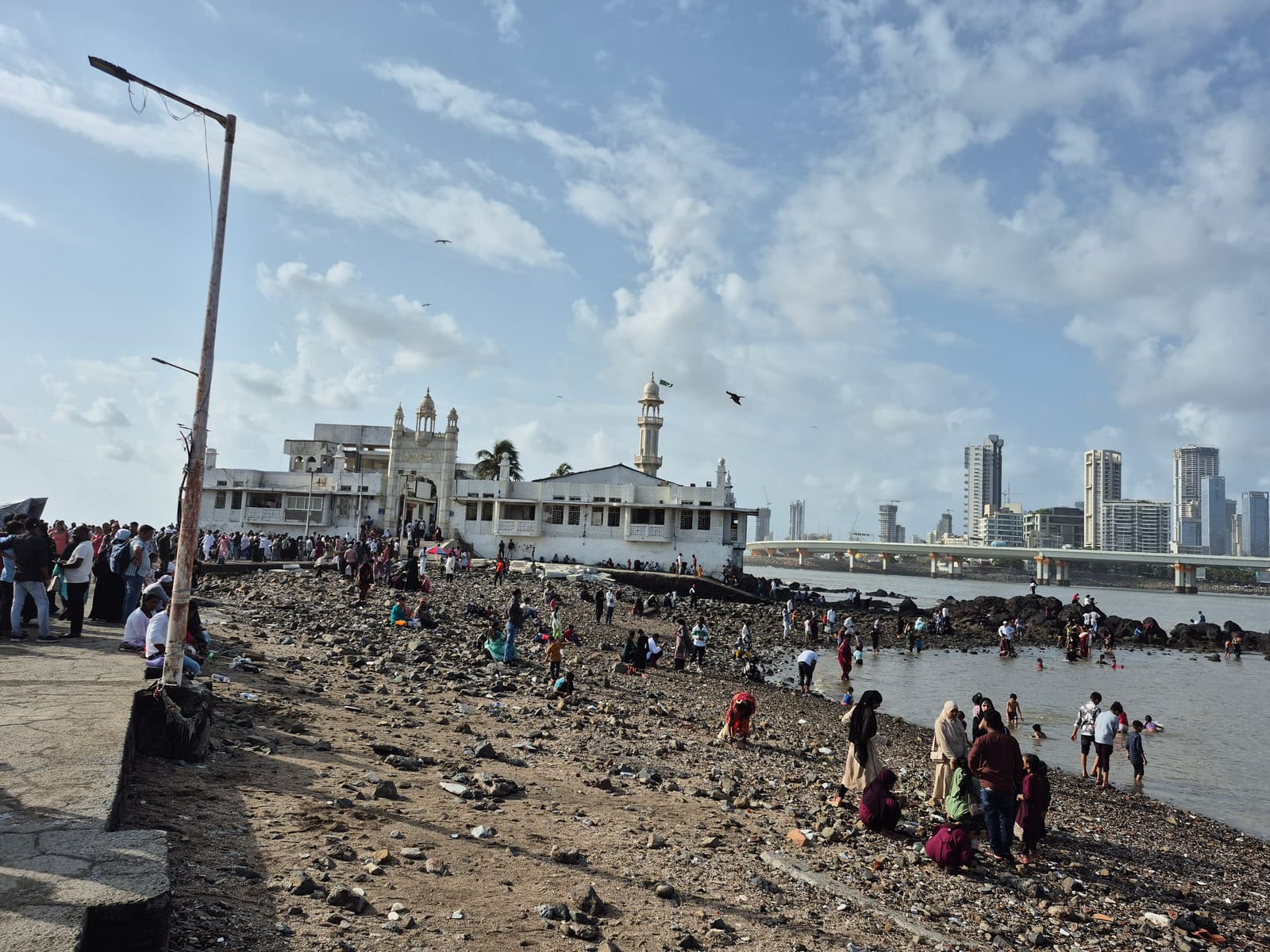
The Haji Ali Dargah appears to float off the shore at Worli: a white mosque and tomb on an islet, joined to the land by a narrow causeway that the sea covers at high tide. It dates from 1431 and holds the tomb of the saint Pir Haji Ali Shah Bukhari. People of every faith walk out to it.
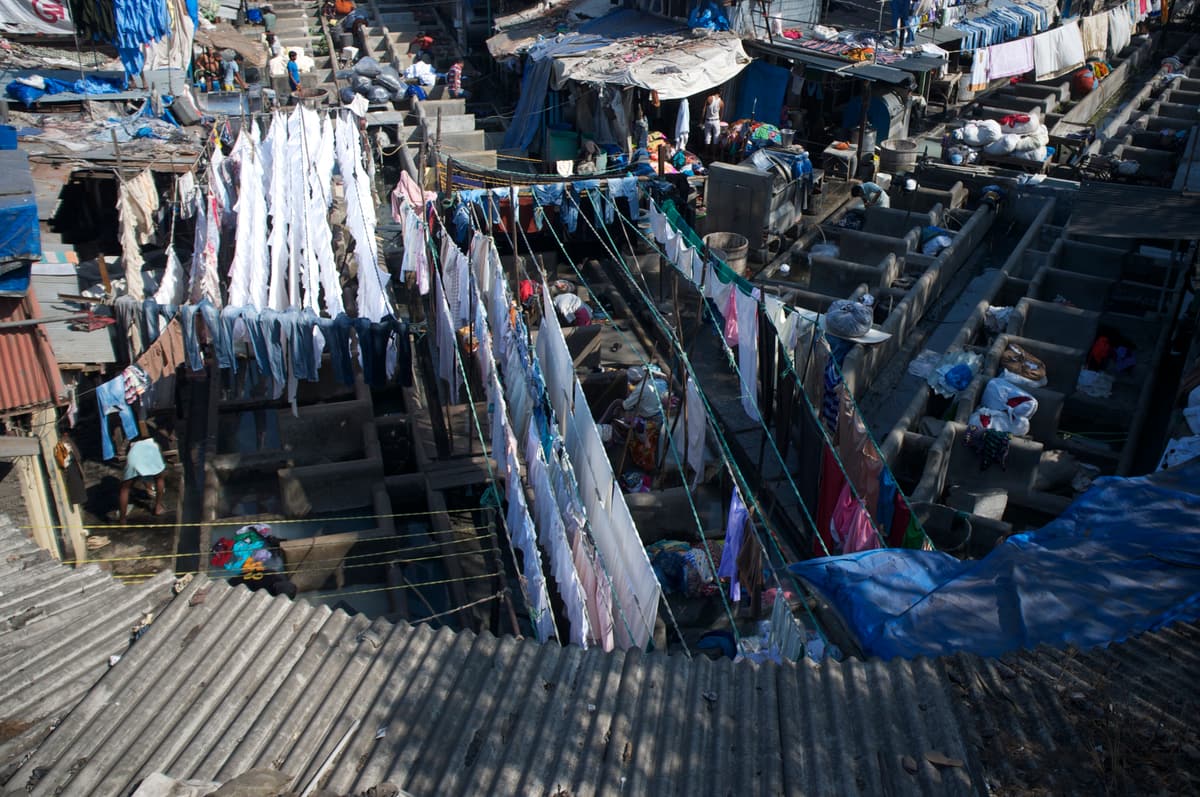
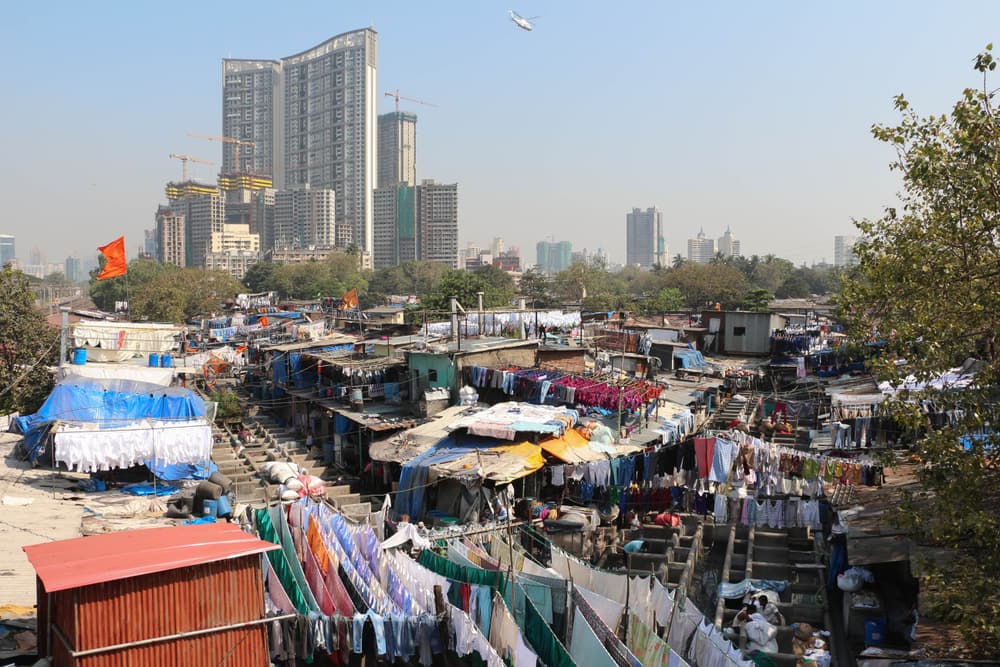
A kilometre inland, beside Mahalaxmi station, is Dhobi Ghat: hundreds of open-air concrete wash pens, each with its flogging stone, where the city’s washermen have laundered hotel linen, hospital sheets and family clothes since around 1890.
What to see and do: Haji Ali, Mahalaxmi & Dhobi Ghat
Walk the causeway to Haji Ali
The walk takes about ten minutes past stalls selling flowers and chadars (cloth offerings). Inside, men and women enter the shrine by separate doors. Thursdays and Fridays draw the biggest crowds, and qawwali singing is often heard.
Look down on Dhobi Ghat
The classic view is from the road bridge next to Mahalaxmi station, a two-minute walk from the platform. To go down into the lanes, join a guided tour — it is a workplace and a home, and the washermen’s cooperative controls access.
Visit the Mahalaxmi temple
On a rocky point near the Haji Ali junction, this temple to the goddess of prosperity is one of the oldest and most visited in the city, especially during Navratri.
Continue to Siddhivinayak
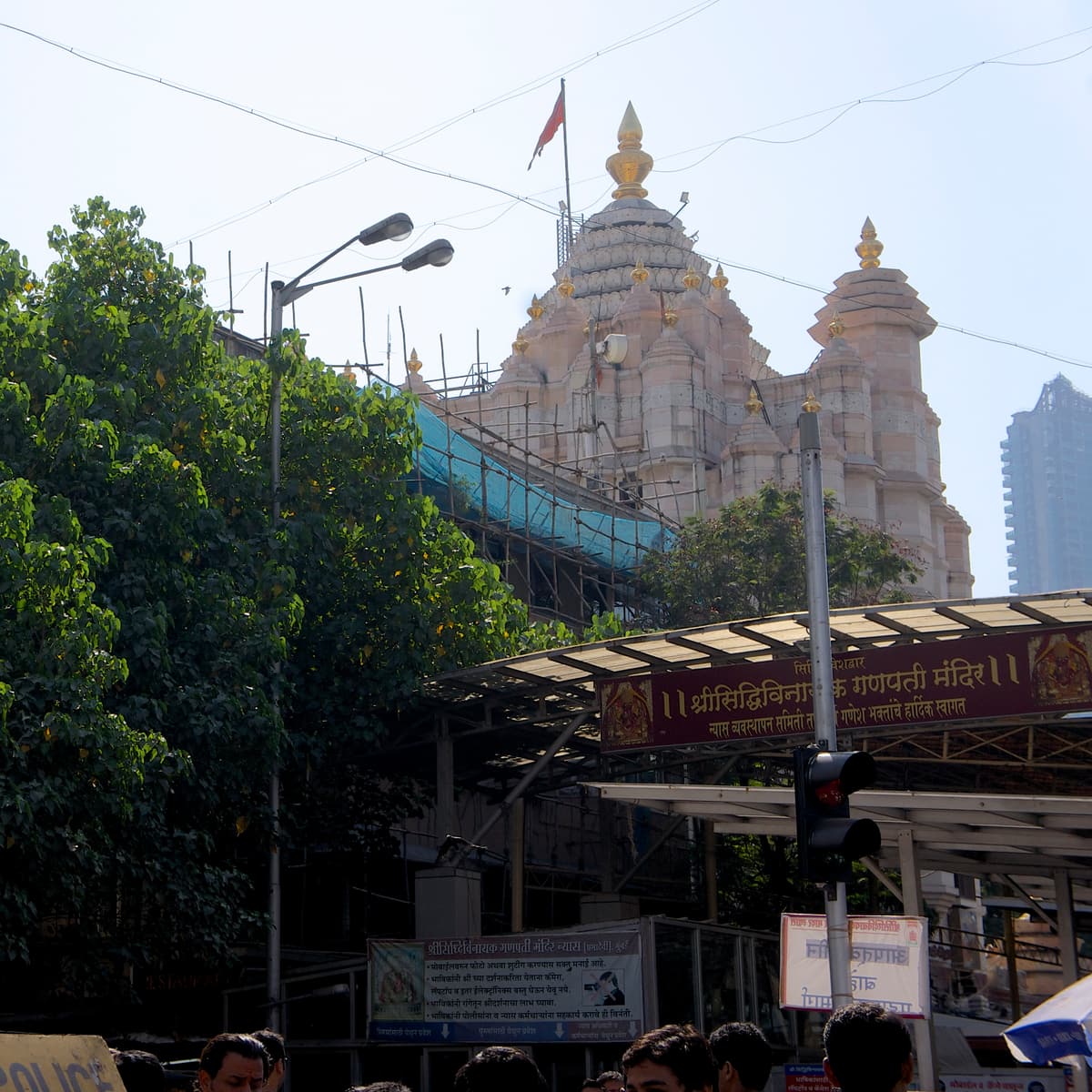
About 5 km north in Prabhadevi, the Shree Siddhivinayak temple to Ganesh, founded in 1801, is Mumbai’s best-loved shrine. Queues are long on Tuesdays; security is strict and bags and cameras are restricted.
How to get there
- By train: Mahalaxmi station (Western line) is right beside Dhobi Ghat and about 15–20 minutes’ walk from the Haji Ali causeway.
- By taxi: ask for “Haji Ali”. The Coastal Road passes just offshore.
- For Siddhivinayak: Dadar and Prabhadevi stations are the nearest; the Metro Aqua Line also has a Siddhivinayak station — check current operations.
Insider tips
- Check the tide before walking to Haji Ali: at high tide, and in rough monsoon weather, the causeway is closed.
- Cover shoulders and knees at both the dargah and the temples; carry a scarf. Shoes are left at the entrance.
- Morning, roughly 08:00–11:00, is when Dhobi Ghat is busiest and most photogenic.
- Stop for a fresh fruit cream or juice at the famous juice centre by the Haji Ali junction.
Tours that include this stop
These guided experiences cover this place or combine easily with a visit:
 Guided walking tour from US$14
Mumbai: Dharavi, Dhobi Ghat and Dabbawalas Tour
Three sides of working Mumbai in one morning: the recycling, pottery and leather workshops of Dharavi, the vast open-air laundry at Dhobi Ghat, and the dabbawalas who deliver home-cooked lunches across the city. It is the tour that explains how Mumbai actually runs.
- A guided walk through Dharavi’s workshops and lanes
- The open-air laundry at Dhobi Ghat
- The dabbawalas sorting and delivering lunchboxes
 Guided city tour by car from US$21
Mumbai: Full-Day Sightseeing Tour of Mumbai
The most-reviewed Mumbai tour on GetYourGuide and the easiest way to cover a spread-out city in one day. You travel by air-conditioned car between the big South Mumbai sights, with a driver-guide or a separate guide depending on the option you pick, and choose a shorter or longer version to suit your day.
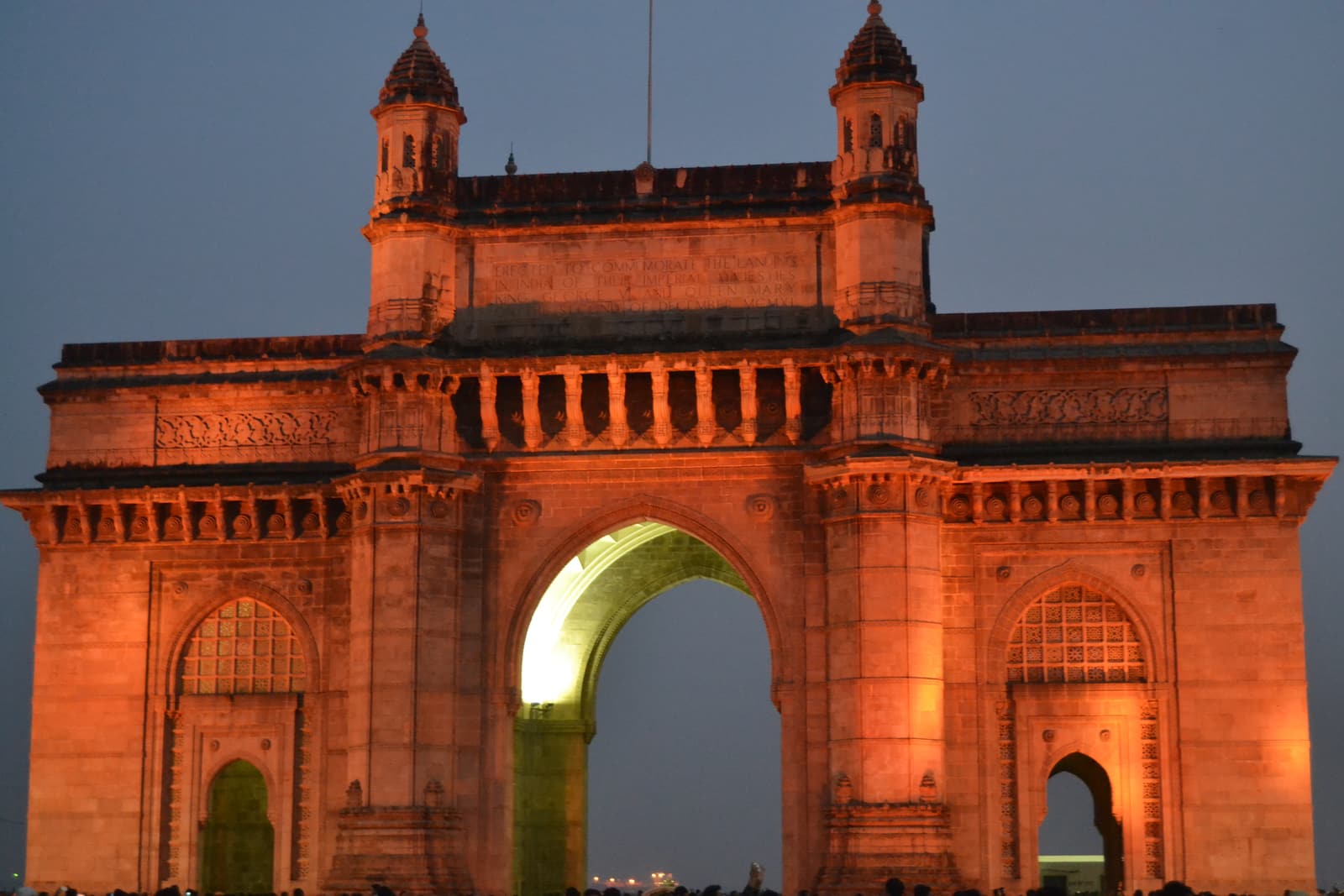
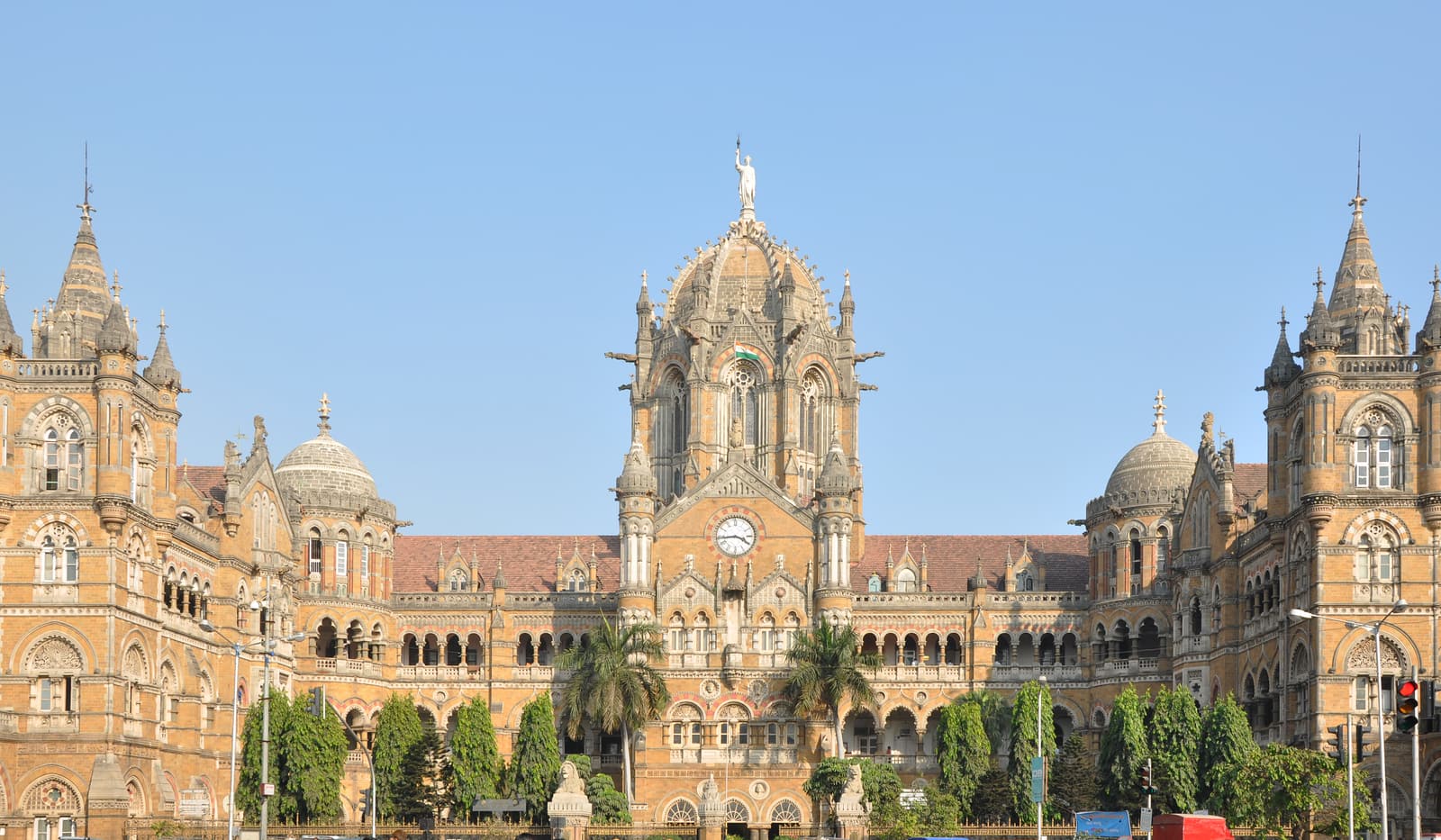
- Gateway of India, CSMT and Marine Drive
- Dhobi Ghat, Mani Bhavan and Malabar Hill
- Air-conditioned car with a driver-guide or a dedicated guide