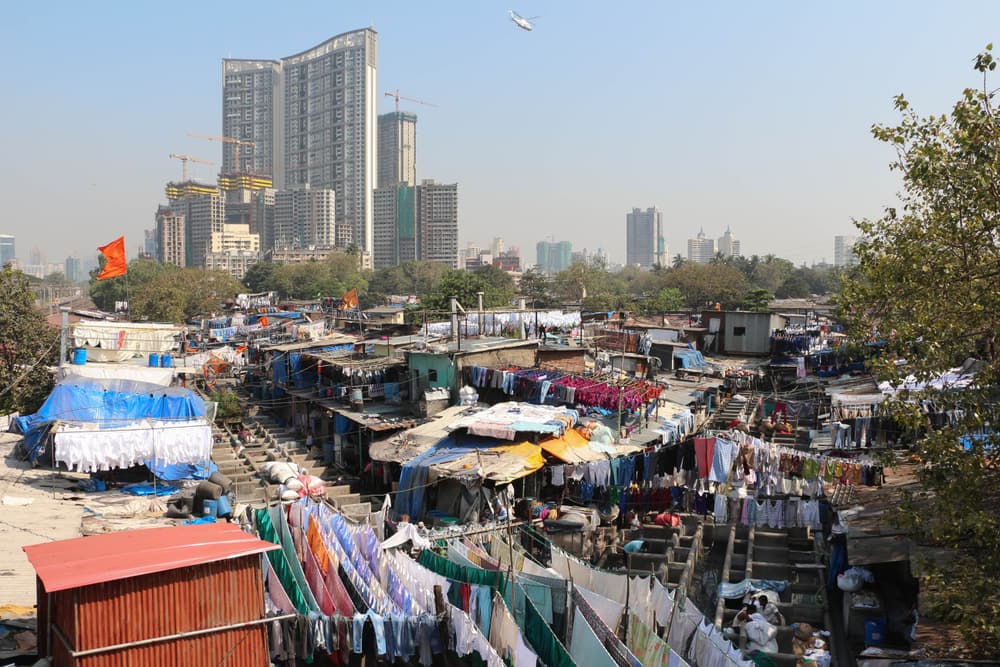
Dharavi covers roughly two square kilometres between the Western and Central railway lines, and is home to several hundred thousand people — estimates vary widely, and some run to a million. It grew from a fishing village and a settlement of migrant tanners and potters into one of the densest places on the planet.
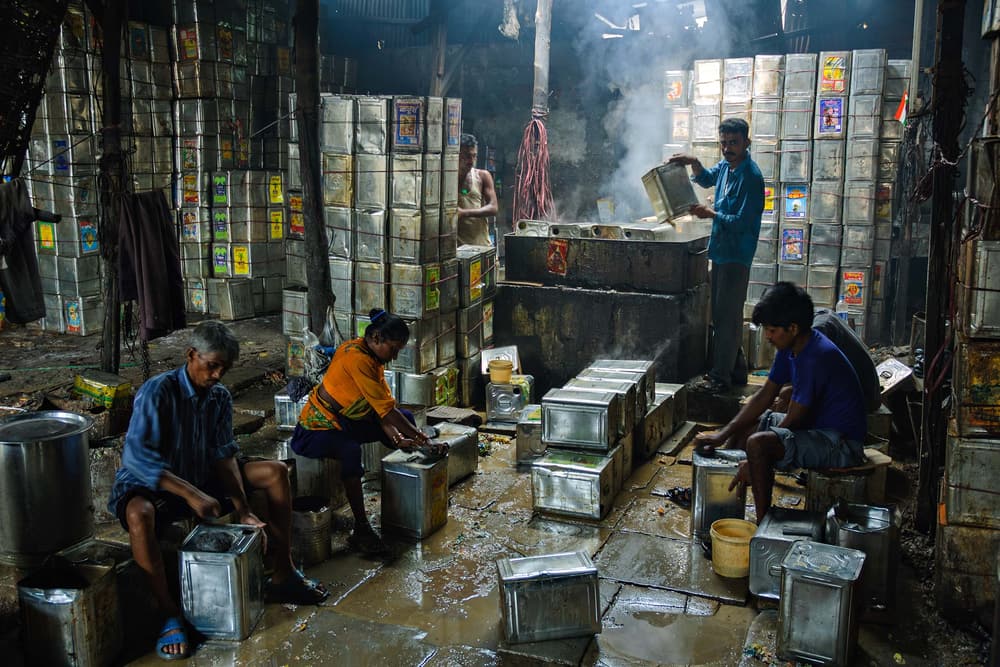
It is also an industrial district. Thousands of single-room workshops recycle much of Mumbai’s plastic, cure and stitch leather, fire clay pots in Kumbharwada, bake snacks and sew garments for export; the informal economy here is often estimated at hundreds of millions of dollars a year. A long-debated redevelopment scheme is now under way, so the area is likely to change.
What to see and do: Dharavi
Take a responsible walking tour
Dharavi is not a place to wander into with a camera. A good tour is led by someone from the community, keeps groups small, explains the industries and housing honestly, and puts money back into local projects. Compare the Dharavi tours we list and read how each operator works.
See the recycling and leather trades
In the commercial lanes, plastic is sorted, shredded, washed and melted into pellets, and aluminium is recast. Leather workshops sell bags, belts and jackets at factory prices in showrooms on the main road.
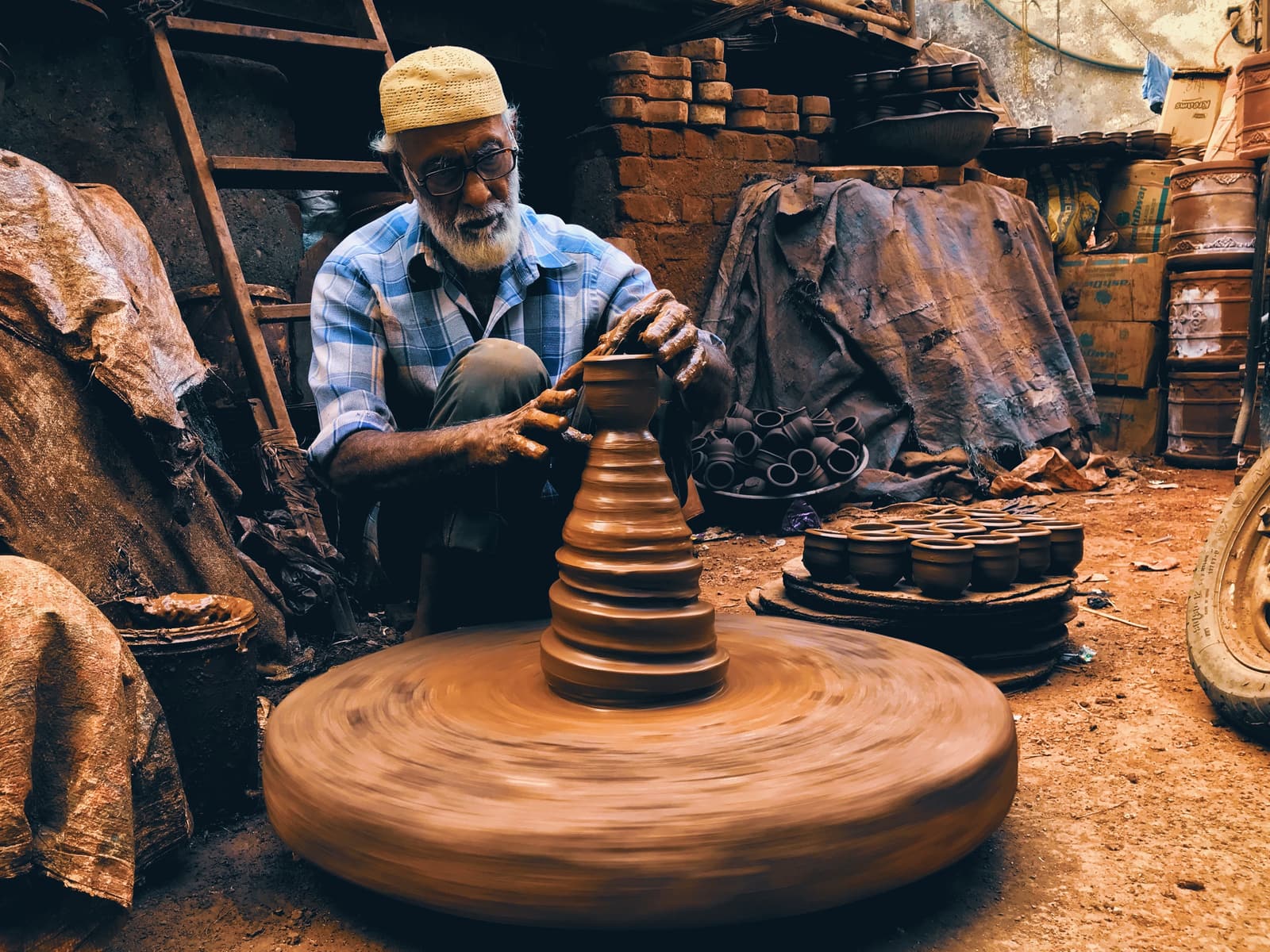
Visit the potters of Kumbharwada
The potters’ colony, settled by families from Gujarat generations ago, is a village inside the district: wheels turning in courtyards and kilns smoking between the houses.
How to get there
- By train: Mahim Junction (Western line) and Sion (Central line) are the usual meeting points for tours.
- By Metro: the Aqua Line (Line 3) has a Dharavi station — check current operations.
- With a tour: some combined tours include pickup and add Dhobi Ghat and the dabbawalas.
Insider tips
- Most responsible operators ask you not to take photographs in residential areas. Respect that, and always ask before photographing a person.
- Wear closed shoes and modest clothing; lanes are narrow, wet and uneven.
- Morning tours are cooler. In the monsoon, expect mud and puddles.
- Go to listen and learn. People here are at work — step aside, and do not hand out money or sweets to children.
Tours that include this stop
These guided experiences cover this place or combine easily with a visit:
 Guided walking tour from US$14
Mumbai: Dharavi, Dhobi Ghat and Dabbawalas Tour
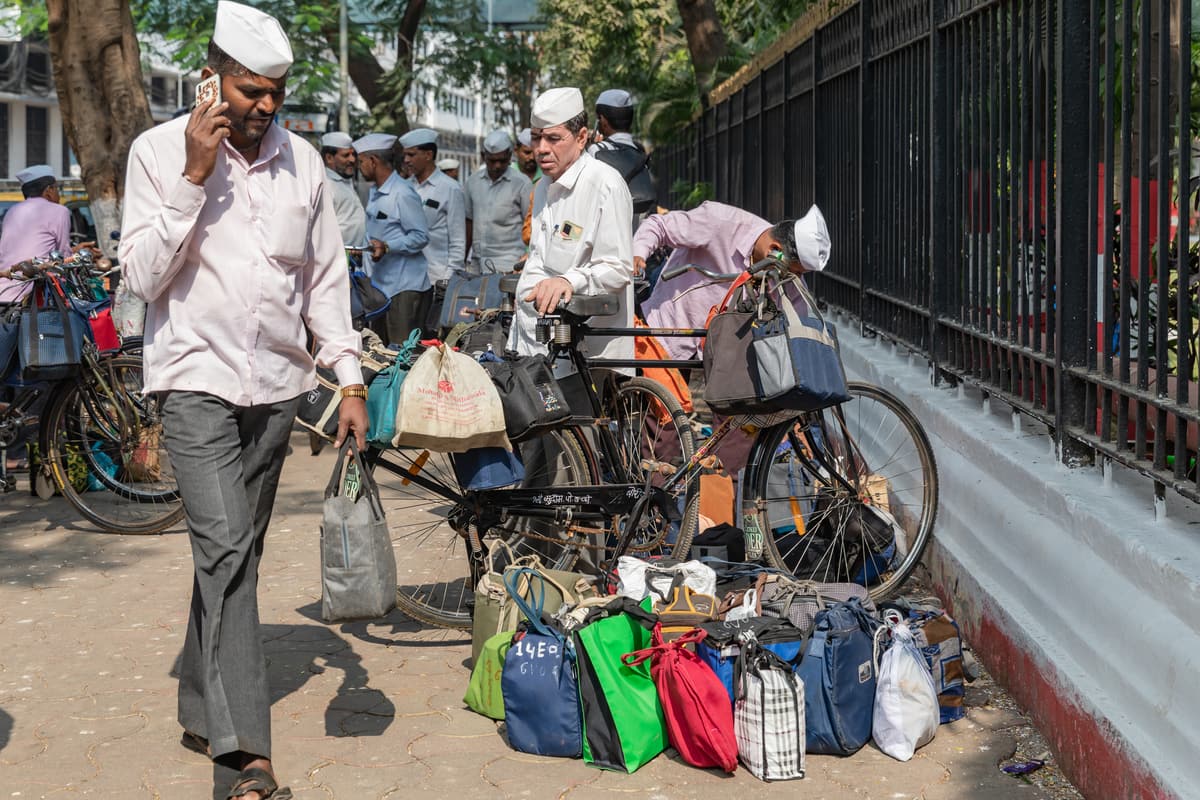
Three sides of working Mumbai in one morning: the recycling, pottery and leather workshops of Dharavi, the vast open-air laundry at Dhobi Ghat, and the dabbawalas who deliver home-cooked lunches across the city. It is the tour that explains how Mumbai actually runs.
- A guided walk through Dharavi’s workshops and lanes
- The open-air laundry at Dhobi Ghat
- The dabbawalas sorting and delivering lunchboxes
Guided walking tour Mumbai Slum Tour: Visit Dharavi with a Local Guide
A walking tour of Dharavi’s maze of homes and workshops with a local guide. The focus is on work, enterprise and community rather than poverty — go with an open mind, ask before photographing anyone and follow your guide’s lead.
- Narrow residential lanes and small-scale industries
- Led by a guide from the neighbourhood
- Very highly rated by travellers